
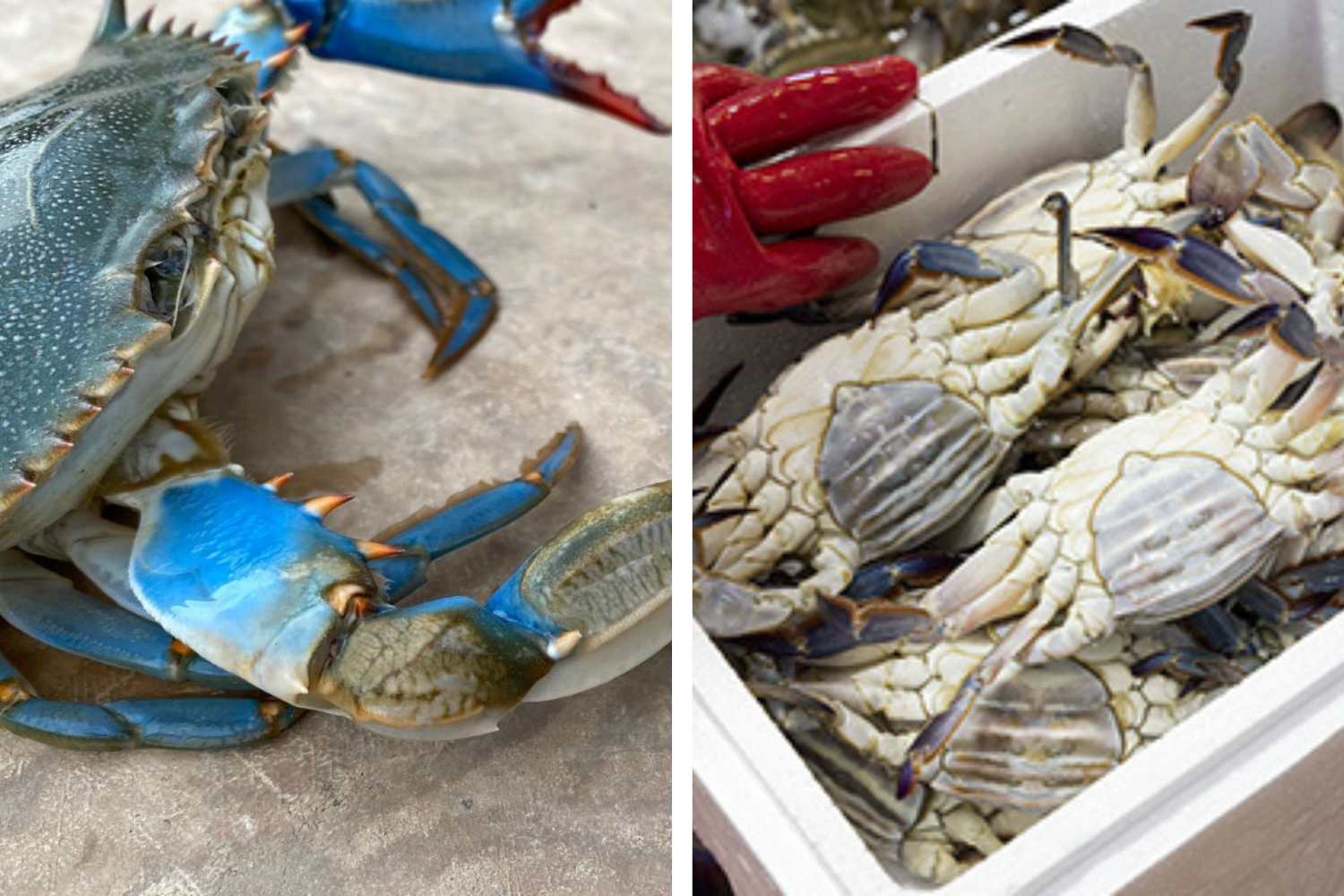
The famous blue crab, an invasive species that is damaging the ecosystem of our seas, has recently been hit by a parasite that alters its characteristics. To make the situation known is the Experimental Zooprophylactic Institute of the Venezie (Izsve)
We have now heard of the blue craban invasive species that is colonizing our seas, and has become a serious problem for the ecosystem. Scientifically known as Callenctes Sapidusthis crab has spread above all near lagoons and estuary, where it is plundering the clams and competing with native fauna, causes considerable ecological and economic damage.
On the health of this species, however, a novelty comes now. In these days, theExperimental Zooprophylactic Institute of the Venezie (Izsve) made it known that he identified the presence of such a parasite Hematodiniium in the blue crab. This parasite is known to cause the “Bitter Crab Disease” (BCD), or a bitter crab disease, which gives the meat of the crustacean a bitter aftertaste when consumed, therefore compromising its palatability.
To deepen the spread ofHematodiniiuma research project has been started involving different areas of the North Adriatic, including Veneto and Emilia Romagna. During the first phase of the project, 225 specimens of blue crab from seven lagoon sites were examined.
The researchers used advanced techniques, such as PCR in real time, to identify the parasite and study its prevalence. The preliminary results revealed that in Veneto about 33% of the crabs was positive in Hematodiniium, while in Emilia Romagna the percentage rises to 97%. On the contrary, the parasite was not detected in the lagoon areas of Friuli Venezia Giulia.
But what consequences can this disease have on blue crabs, on biodiversity and, possibly, also on man?
The impacts of the disease on blue crab
The infection from Hematodiniium It causes a series of physiological changes in the crab, including lethargy and turbidity of the molinfa, which is the liquid that circulates inside its body, similar to blood in the vertebrates. These changes involve a significant reduction in the vitality of the animal.
The rapid proliferation of the parasite then involves a high consumption of nutrients, which in turn lowers the levels of glucose in the emolinfa and glycogen in the hepatopancreas, altering the organoleptic properties of the crab.
Are there risks for man?
Although the parasite is not transmitted to man and does not cause direct diseases in the human being, The researchers warned about the Consumption of raw or not very cooked blue crab. In fact, the crab could be contaminated by other pathogens, such as vibrious bacteria, which represent a risk to health, in particular for the possible onset of acute gastroenteritis.
For this reason, the health authorities advise to consume the blue crab only after having cooked it correctly, to reduce the risks of food infections.
Izsve writes:
Hematodiniium sp. It is not transmissible and does not cause man infection and disease, however the consumption of raw blue or not very cooked blue crab can lead to other potential health risks, such as acute gastroenteritis caused by vibrions on the exoskeleton or directly in the meat. Therefore it is advisable to consume the blue crab after adequate cooking.
The presence of this parasite worries also for other reasons, it could in fact have negative effects on the native populations of crustaceans, reducing biodiversity.
Currently, studies are not enough to determine the overall impact of the parasite on the population of blue crab in the North Adriatic, but further insights are needed to monitor the situation and take the appropriate measures.
