
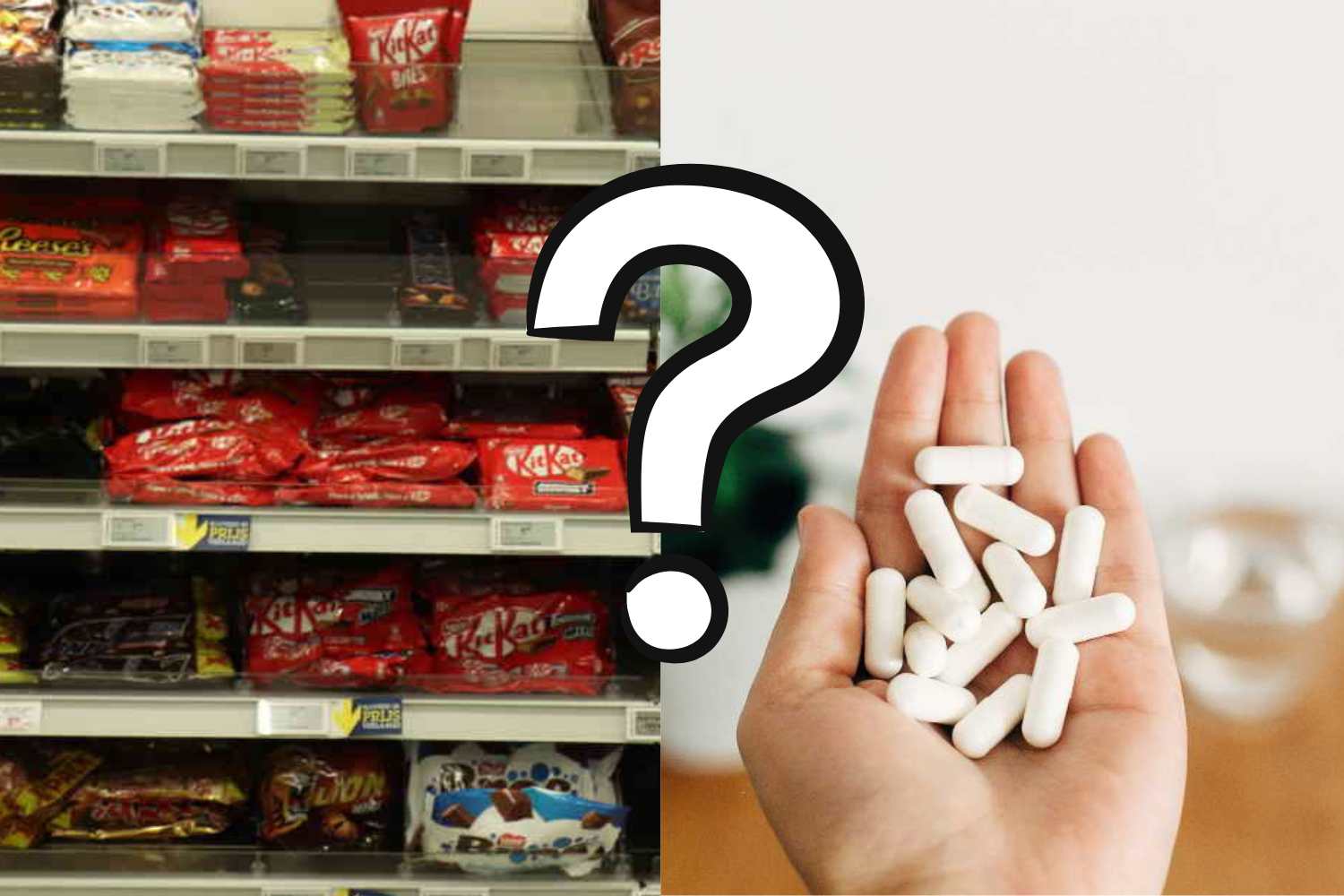
A new investigation has revealed that the multinationals of the food industry, primarily Nestlé, invest in health solutions and weight loss, while they continue to sell ultra-processed foods responsible for obesity and intestinal diseases
Than great food multinationals There is not much to trust that we already know, but now a new survey further confirms how much these companies are navigating between conflicting and decidedly little ethical interests.
An investigation, conducted by the collective of journalists Investigative desk and published by Follow the money And Reporterrevealed a potential conflict of interest that involves some of the largest food companies in the world, in particular Nestlé.
The Swiss giant, in addition to selling ultra-planned products, invests in pharmaceutical companies that develop medicines to treat diseases potentially caused by those same products.
The investigation analyzed the investments of three large groups: Nestlé, Danone and Unilever. In the last twenty years, these giants have financed about 90 companies in the pharmaceutical sector, food supplements and weight loss. Nestlé is responsible for more than half of these investments and therefore shows a particularly relevant involvement in this sector.
The strategy is clear: companies sell ultra-processed foods, increasingly related to diseases such as obesity, diabetes, risk of cancer and intestinal pathologies, while at the same time they invest in medical solutions to counter the negative effects of those same products.
The investigation focuses in particular on a category of additives contained in ultra -prompt food which, according to the latest research, would be particularly harmful.
The problem of emulsifiers
Many of the Nestlé products, including the best known as Kit-Kat, Lion and Smarties, contain emulsifiers, food additives which, according to several scientific studies, could be harmful to the intestinal microbiota.
The research, conducted by Benoît Chassaing, microbiologist of the Exam and Pasteur Institute, revealed that emulsifiers can damage beneficial bacteria in our intestine and promote chronic inflammation.
Another study by the University of Liverpool, published in 2013, had already shown a correlation between the use of emulsifiers and a Increased risk of developing diseases such as Crohn’s disease.
Despite these evidence, Nestlé continues to use these additives in its products but – coincidentally – also invest in research to develop drugs to treat the intestinal diseases associated with them.
Nestlé’s investment in drugs for intestinal diseases
An emblematic case highlighted by the investigation concerns Entitya French biotechnological startup specialized in the search for Crohn’s disease and ulcerative colitis. These diseases affect millions of people in the world and their treatment represents a strong growth market.
Nestlé has invested 40 million euros in 2022 in the entertainmentobtaining a place in its board of directors. According to the report of the Kings Research company, the microbioma therapy sector, in which Enterome is a strategic actor, will go from 233 million dollars in 2023 to 1.5 billion dollars in 2031.
What about Unilever and Danone?
Unilever and Danone, such as Nestlé, also follow a similar strategy, investing in pharmaceutical and nutraceutical companies to deal with the health problems deriving from the consumption of their own products. Unilever, for example, while selling the Magnum and Ben & Jerry’s ice cream, has acquired a participation in Healthifyme, a popular fitness app and calories monitoring. The company therefore seems to want to promote solutions for a healthy lifestyle, in parallel to the sale of ultra-processed foods.
Danone, for her part, has invested in probiotics (as with Ummino) and in digestive chewing tires such as Wonderbelly, trying to position itself in the intestinal health sector. Furthermore, Danone has abandoned the use of the nourishment of the yogurt to drink Actimel and Activia, following a negative review of their nutritional values.
A decidedly controversial business model
This investigation raises crucial questions: is it ethical that a company that produces food potentially harmful to health also invest in treatments for the diseases that could derive from it?
If on the one hand Nestlé and the other multinationals present their investments as a commitment to public health, on the other it is clear that Their business model takes advantage of a vicious circle: selling unhealthy food and then providing the treatment for the damage it can cause. A mechanism that, of course, proves to be highly profitable.
Nestlé avoided responding directly on the possible ethical implications of this strategy, limiting himself to declaring that his commitment to health research aims to develop solutions for the well -being of people. However, the potential conflict of interest is never mentioned between the sale of ultra-processed foods and investments in the search for drugs to treat their effects.
On the other hand, some researchers suggest a decidedly simpler and cheaper alternative to drugs: Eliminate emulsifiers from foods.
