
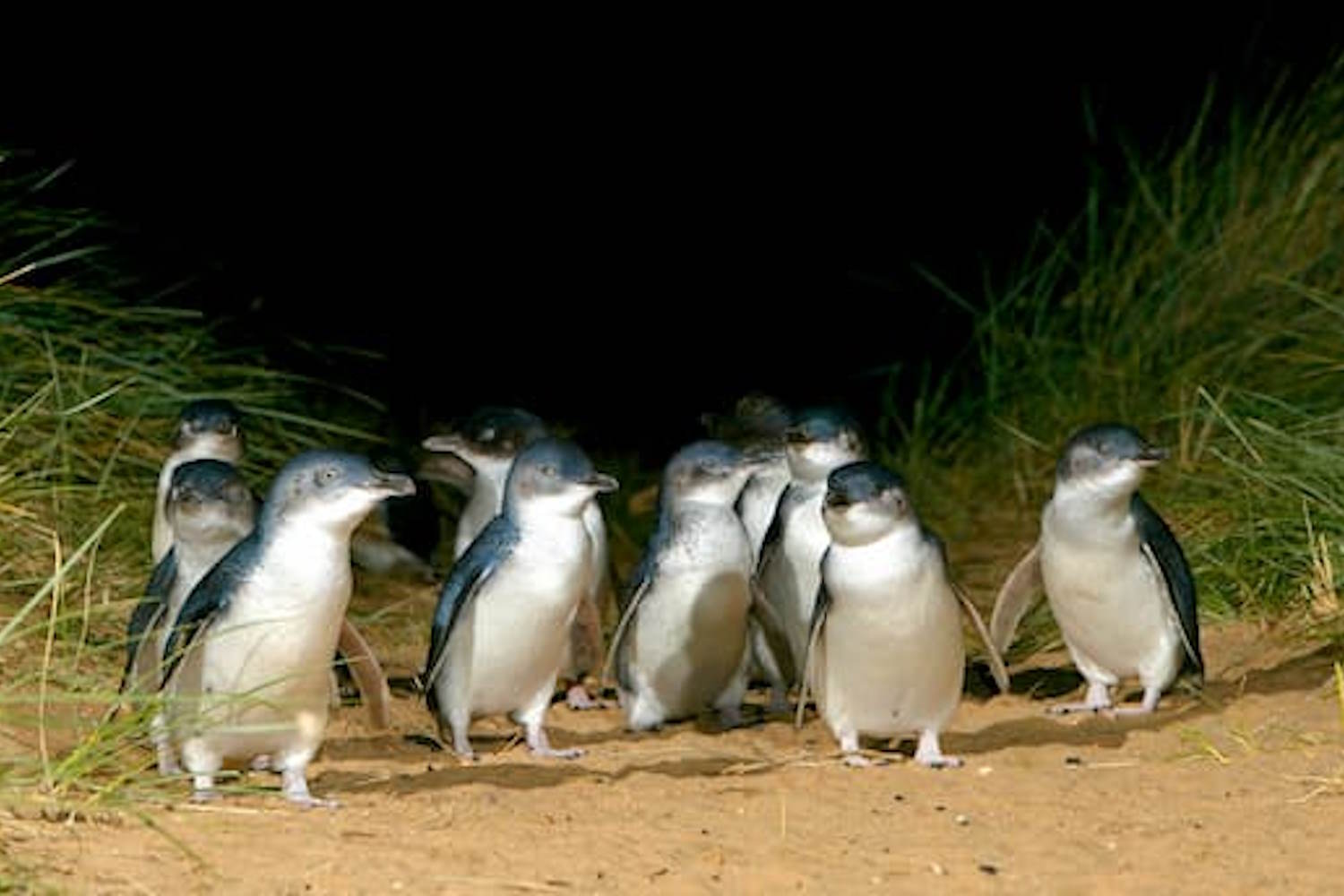
If they are not satisfied with the small generated by the Union, the penguins of Philipp Island (Australia) betray Their historical partners or leave them definitively. The discovery, which causes the “myth” of the monogamous penguinsis the result of a research guided by Monash University In collaboration with i Phillip Island Nature Parks.
Phillip Island It houses the 37,000 small penguins, the largest colony in the world of the species, and the Penguin Paradeinternationally famous, attracts thousands of visitors every year to observe These fantastic sea birds who return home from the ocean to their tanes at sunset.
In good periods, (the penguins) remain mostly with their partners, even if they often do “some jokes” – explains Richard Reina, who led the research – however, after a poor reproductive season, they could Look for a new partner for the following season with the aim of increasing their reproductive success
The study, conducted for a decade, examined the complicated love lives Of the species to determine what can predict the colony’s reproductive future, and has led to demonstrate that the divorce rate between the penguins is a more reliable indicator of the colony’s reproductive success.
This if compared with environmental factors such as the change ofhabitat or behavioral traits such as the time they spend to seek prey, with more divorces and new couplings in a season which, however, can also translate into a less reproductive success throughout the colony.
The research, in particular, examined 13 reproductive seasons, monitoring which individuals have changed partners from one season to another, recording Almost 250 divorces on about a thousand couples. However, it is not always a good strategy, at least not long -term: in fact, the research has also highlighted how the years with a lower divorce rate have actually led to a greater reproductive success.
Our results of the lowest divorces rates between small penguins in Phillip Island in favorable environmental conditions – explains Andrea Chiaradia, co -author of work – highlight the importance of considering social dynamics together with environmental factors when designing Strategies to protect the vulnerable species of marine birds
In short, betraying is not always a good strategy of success.
The work was published on Ecology and Evolution.
Sources: Monash University / Ecology and Evolution
