
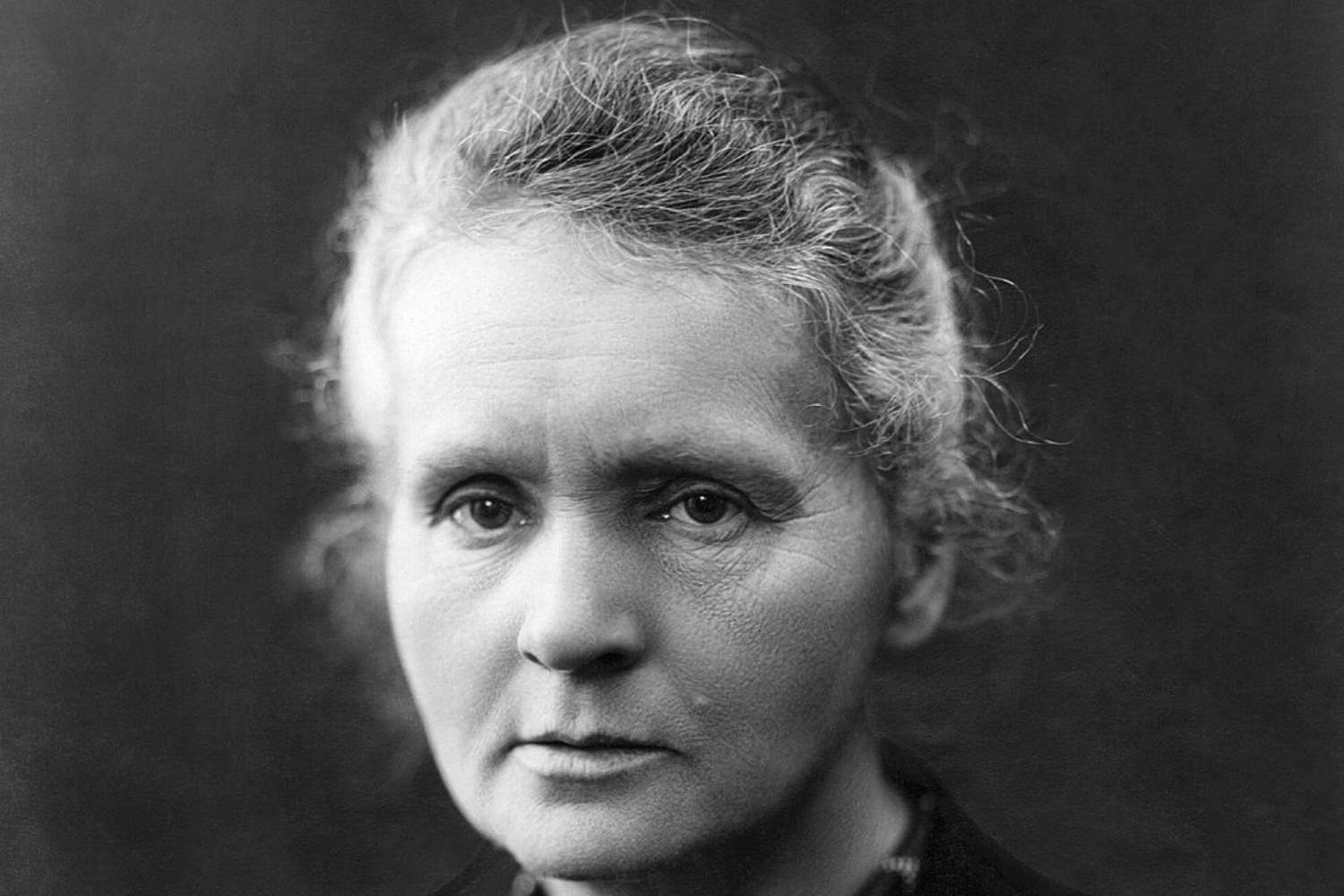
Marie Curiepioneer of radioactivity and first woman to win a Nobel prize, left an extraordinary scientific legacy. Curie and her husband Pierre discovered Polonio and the radio At the end of the nineteenth century, however ignoring i dangers of prolonged exposure to these substances.
The scientist spent his days in his laboratory handling radioactive elements without any protectionoften keeping them even in the desk drawers or bringing them to the pockets of the shirt. The enthusiasm for the new discoveries led her to observe, fascinated, the flashes emitted by the test tubes containing radio and polonium, without knowing what were the devastating effects that these radiation would have had on his health.
His dedication to research had a very high cost: Curie died in 1934 due to aplastic anemiaa blood disease connected to prolonged exposure to radiation. Not only was his body marked, but also the objects he used daily. His notes, furniture and even his cooking books absorbed radioactivity And they are still contaminated today.
The area had to be reclaimed due to a suspicious increase in oncological diseases
The manuscripts of Marie Curie, preserved in the National Library of France, must be kept in Special containers coated with lead since they are still highly radioactive. Anyone who wants to consult them is obliged to wear Protective devices and sign a release.
Their radioactivity, mainly due to the presence of Radio-226, will have an emany of approximately 1600 yearswhich means that these documents they will remain dangerous for many future generations. Yet we owe so much: the impact of the discovery of radioactivity was in fact enormous.
Curie’s research opened the way to radiotherapytoday fundamental for the treatment of many forms of cancer. However, the case of the Polish scientist also represents a warning on need to take safety measures in scientific research.
The laboratory in which Curie worked and even his home in Paris were exposed to contamination such that, years after his death, The area had to be reclaimed due to a suspicious increase in oncological diseases among the inhabitants of the neighborhood. His contribution was revolutionary, but the price paid for these discoveries reminds us that knowledge must always be accompanied by the awareness of his risks.
Tomorrow, February 11, it is the international day of women and girls in science and it seemed the perfect opportunity to celebrate the legacy of Marie Curie and all women who, despite the difficulties and discrimination, have the course of scientific history changed. His work, an example of dedication and passion, continues to inspire generations of scientists who today contribute to making the world a better place through research.
