
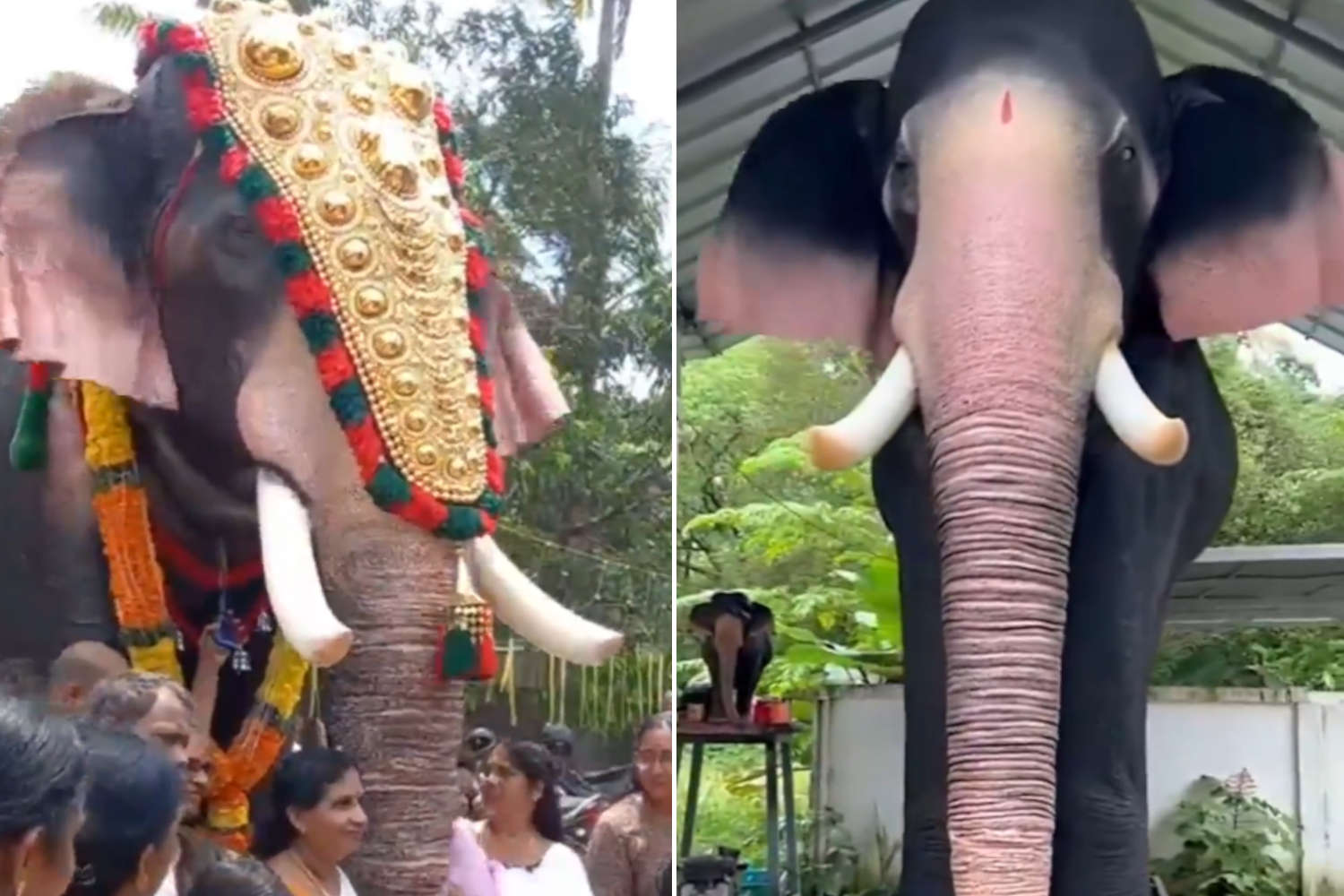
In India the growing concern for the Wellness of the elephants led to an innovative solution for reduce exploitation of these animals in the religious ceremonies: the introduction of Robot elephants. These machinery, designed to replicate the behavior of real elephants, are made in fiberglass and rubberwith a metal structure that allows them to Beat the ears and spray water from the proboscisjust like the living specimens would do.
Their appearance in Hindu processions has aroused enthusiasm among animal rights activists as it allows you to keep religious traditions alive without damaging the elephants. These animals, which are often forced to participate in crowded and noisy ceremonies, suffer enormous physical and psychological stress.
Many of them are captured in nature and tortured to be adapted to life in captivity. These pachyderms are traditionally used in festivals and religious celebrations, but deafening sounds and the crowd in turmoil can harden them violent reactionsputting both elephants and people at risk.
Thus aims to eliminate the risk of accidents
To prevent these accidents and improve the living conditions of animals, some organizations such as Peta and the Voice for Asian Elephants Society have financed the creation and distribution of robots elephants. Currently approximately a dozen Of these artificial elephants have been donated to Hindu temples, with the aim of replacing the real ones in religious ceremonies.
In addition to being an ethical alternative, these robots are also safer. Mechanical elephants, in fact, eliminate the risk of accidents caused by frightened or mistreated animals. Recent news of attacks from elephants during the processions strengthened the topic in favor of this innovation. Only in Kerala, in 2023, serious accidents occurred that saw the involvement of elephants, with the tragic balance of five victims.
The adoption of robot elephants is therefore contributing to a growing awareness regarding the treatment of animals in India. An important step was taken in November 2024, when a Kerala court imposed more severe regulations Regarding the use of captivity elephants, underlining how tradition does not justify the exploitation and mistreatment of these creatures. With the emergence of these technologies, it is hoped that more and more temples and religious organizations choose to adopt modern solutions that respect animal rights by preserving traditions at the same time.
VIDEO: Indian Temples Adopt ‘Cruelty-Free’ Mechanical Elephants
The Models, Made of Fibraglass and Rubber, Are Being Used in Hindu Ceremonies Instead of the Endangered Animals. For Many Activists, they are a Safe Solution That Fits with religius principles#AFPVVVV pic.twitter.com/8lpygvzoss
– AFP News Agency (@AFP) March 4, 2025
The first robotic elephant called “Siva Sankara Hariharan” was launched in the temple of Gudalur in Tamil Nadu during the Sivarathri Festival in March 2024 and has met so much success that now other temples are also contacting the association to have this ethical and sustainable alternative to real elephants.
