
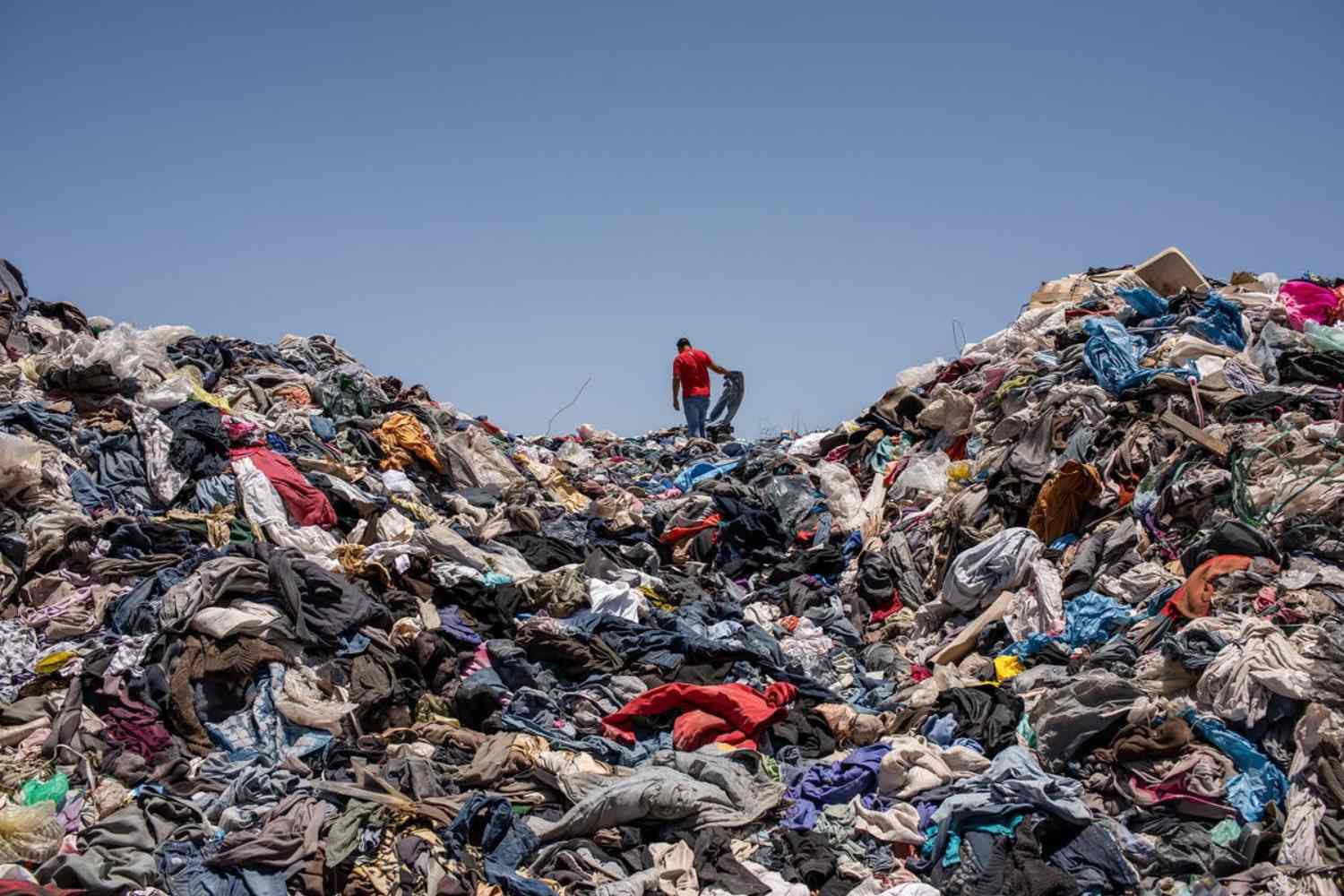
Adopted by the National Assembly in March 2024, the bill to reduce the environmental impact of the textile industry, known as Anti-Fast Fashion lawwas worrying in the stall.
But now finally the situation unlocks and in France The Commission for the territorial structure and the sustainable development of the Senate which will examine the bill on 19 March next.
On January 30, 2024, the bill to reduce the environmental impact of the textile industry had been presented to the National Assembly; On March 14, 2024, 146 deputies voted for his adoption.
The text was then adopted, but it only served to be examined by the senators.
View this post on Instagram
What provides for the French anti-fast fashion law
The “Anti Fast Fashion Law” is a French legislative proposal aimed at reducing the environmental impact of the textile industry, in particular by contrasting the practices of Fast Fashion.
The law is divided into three main pillars:
- Fast fashion definition: The law aims to establish specific criteria to identify companies operating in the Fast Fashion sector, based on the number of garments produced annually. This will allow to identify companies with quick production cycles and disposable products, responsible for a significant environmental degradation
- penalties and taxes: a system of progressive taxation on textile products based on their environmental impact. Starting from 2025, the products with the greatest environmental impact will be subject to a tax of 5 euros per head, increased by 1 euro per year until they reach 10 euros in 2030. The funds raised will be intended to encourage companies that adopt sustainable practices
- prohibition of advertising: From January 1, 2025, advertising for Fast Fashion products is prohibited, also including promotions made by influencers. Violations will entail fines of up to 20 thousand euros for natural persons and up to 100 thousand euros for legal persons
Despite the unanimous approval by the National Assembly, the law has not yet been examined by the French Senate. Now, one year after the adoption from the lower chamber, the Senate will finally examine the bill in a few days.
The adoption of this law would represent a significant step in the fight against pollution caused by the textile industry and an example for other countries in promoting more sustainable consumer practices.
