
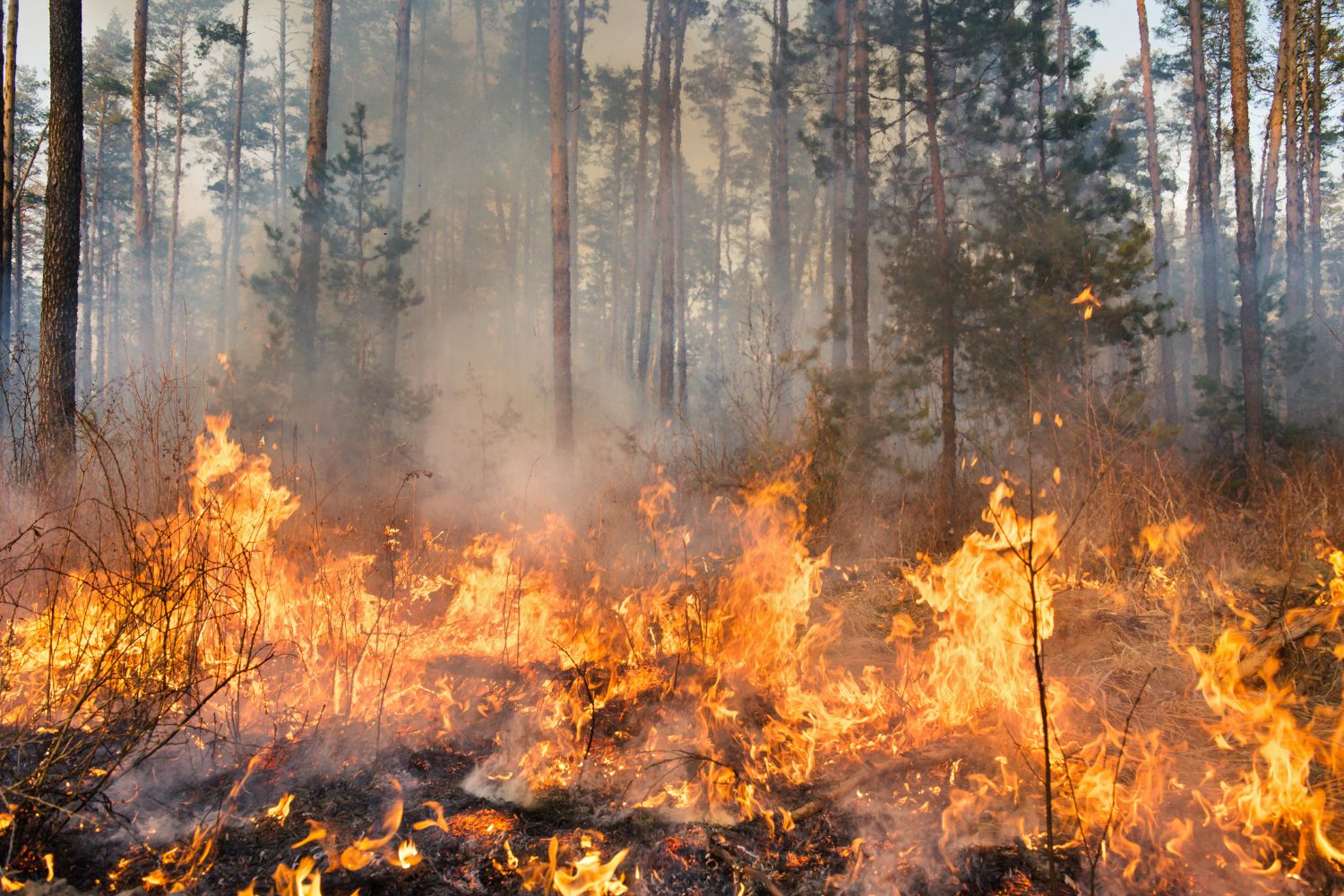
Watch out for forest fires: even if they can be put out in a short time, they are capable of causing very heavy damage to the soil, which persist for decades. This was demonstrated by a study led byUniversity of Göttingen (Germany), which verified that recovery paths can be very long indeed, even if apparently everything is back to normal.
Forest fires can make their traces disappear in a matter of weeks, but their hidden effects on the soil can persist for decades. The study was conducted specifically analyzing forest fires in the humid temperate rainforests and Mediterranean forests of central Chile and unfortunately showed that soil structure and nutrients continue to change for more than a decade after a fire.
The researchers used a ‘chronosequence’ approach, that is, they compared forest soils burned at different times in the past: this allowed them to reconstruct how the soils change in the years following a fire.
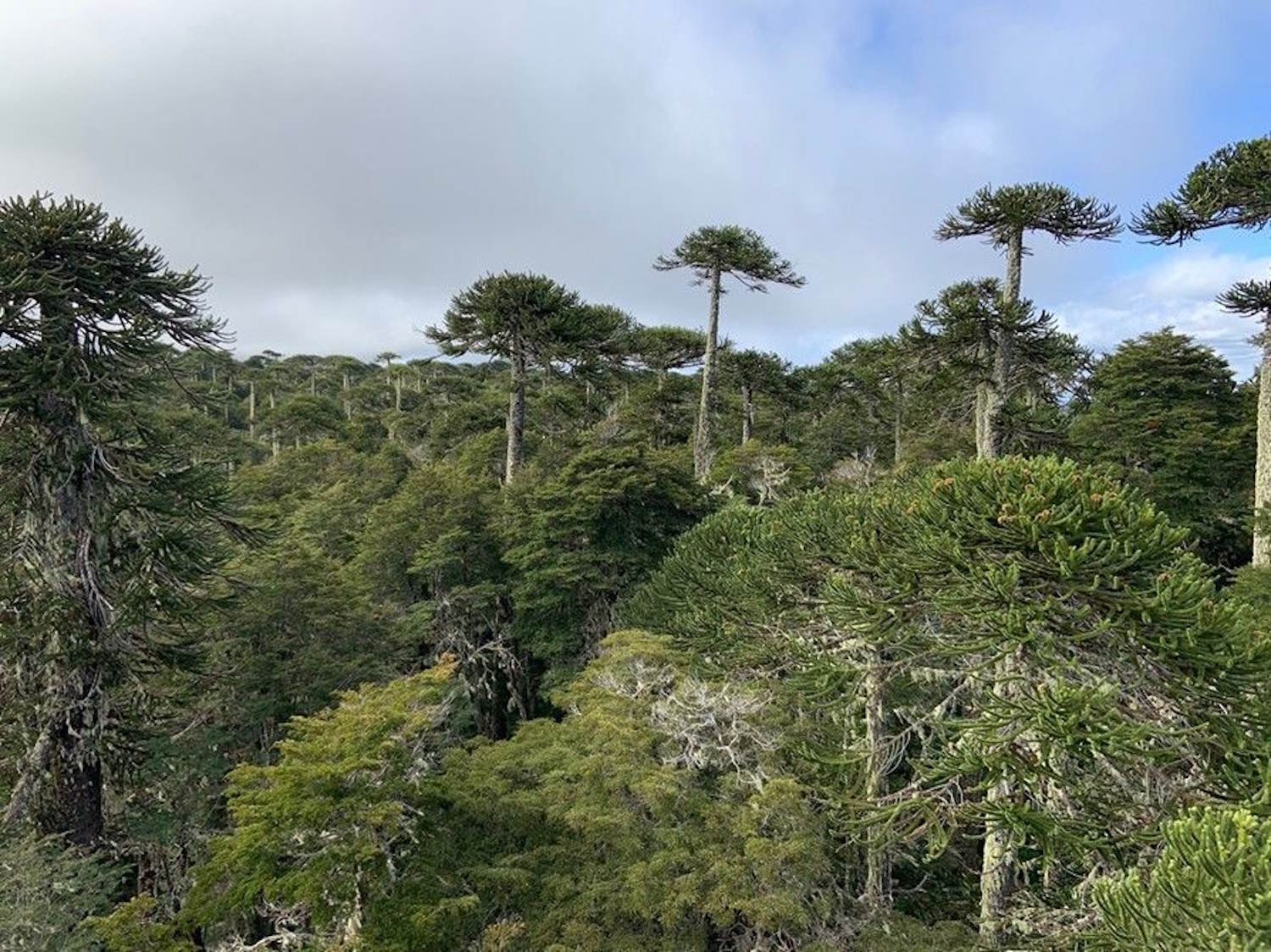
In particular, soils in two Chilean national parks were compared, the first coming from a forest of Araucaria (genus of arboreal evergreen gymnosperms) temperate and humid a Nahuelbuta and the others from a sclerophyllous forest, characterized by woody plants with small, leathery leaves, a The Bellwhich has a Mediterranean climate with hot, dry summers.
At both sites, soil samples were collected from the top ten centimeters in areas that had been affected by fires as recently as two days ago and in others that had burned up to 14 years earlier, and then the physical and chemical properties of the soil were compared with those of nearby forests that had not burned for several decades.
We have shown that forest fires do not simply burn vegetation – explains Yakov Kuzyakov, co-author of the work – but radically reshape the soil, compacting it, redistributing ash and interrupting nutrient cycles long after the flames have died out.
Their research specifically revealed that forest fires increase the bulk density of soil, temporarily raise its pH due to the addition of ash, and alter the balance of key nutrients such as calcium, magnesium and potassium.
Furthermore, while moist temperate forests retain more organic matter, Mediterranean forest soils experience long-lasting reductions in carbon and nitrogen, and show greater compaction and nutrient loss than those of moist temperate forests, where deep-rooted, fire-adapted trees contribute to faster soil regeneration.
Our results show that soil regeneration is not uniform – adds Jhenkhar Mallikarjun, first author of the research – Even after 14 years, Mediterranean forest soils in Chile have struggled to regain their pre-fire nutritional balance. In contrast, humid temperate forests have begun to recover more quickly thanks to resilient vegetation and increased rainfall
As the scientists point out, this means that land managers cannot assume that all forests recover equally after fires, especially in drier Mediterranean forests, where soils can remain depleted for many years.
Understanding how fire impacts nutrient recovery helps predict how forests might face more frequent fires due to climate change, and reveals broader consequences for carbon storage, water regulation and forest productivity,” concludes Michaela Dippold, who contributed to the study. “If we ignore slow soil recovery and use the same reforestation and management strategies everywhere, we risk undermining investments in the restoration and long-term resilience of ecosystems and the societies that depend on them.”
The work was funded by German Research Foundation (DFG) and from Chile’s National Agency for Research and Developmentand was published on Chain.
Sources: University of Göttingen / Catena
