
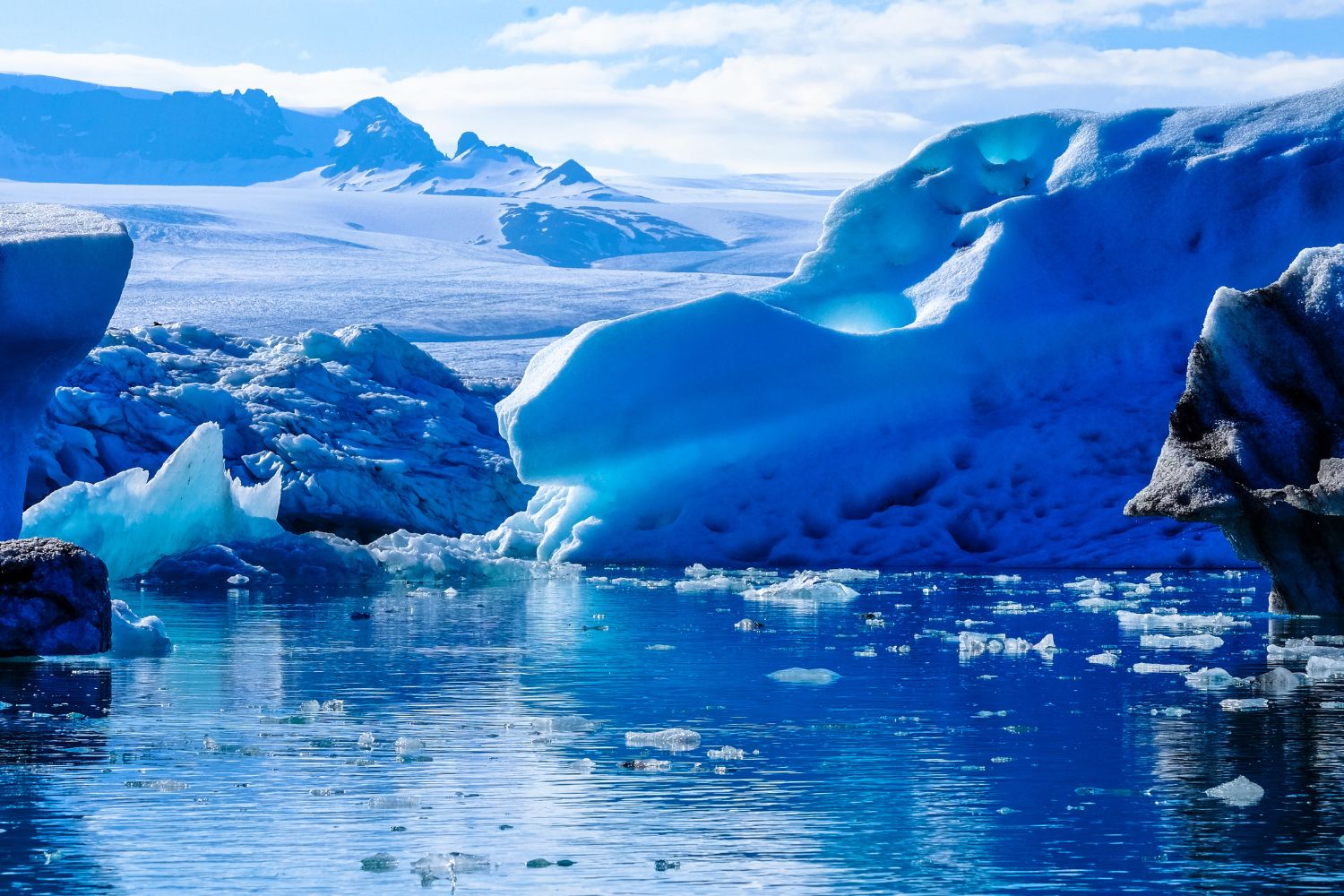
The temperature on Earth is increasing at unacceptable rates: this is demonstrated (also) by a record core sampling of Antarctic sediments, carried out by an international team of researchers led by New Zealand organisations, which shows that, yes, the West Antarctic ice sheet is retreating dangerously.
The research took place in the context of the international Swais2C project (Sensitivity of the West Antarctic Ice Sheet to 2°C), coordinated by Earth Sciences New Zealand, Te Herenga Waka, Victoria University of Wellington And Antarctica New Zealandin which 29 researchers from ten countries collaborate, including Italy.
What scientists have demonstrated and what this research can tell us in the future
Researchers have extracted the longest-ever sediment beneath an ice sheet, 228 meters of ancient mud and rock drilled beneath 523 meters of ice, providing a sample dating back millions of years that will help climate scientists predict the fate of the ice sheet in our warming world.
This revolutionary scientific and technological breakthrough took place over 700 km from Scott Basein a field a Crary Ice Riseon the edge of the West Antarctic Ice Sheet: Sediment cores here contain an archive of the site’s past environmental conditions during the warmest periods in Earth’s history, vital information for climate scientists to determine how much and how quickly the ice sheet will melt in the future under our climate.
The vast West Antarctic Ice Sheet contains enough ice to raise global sea levels by 4-5 meters if it were to melt completely. Satellite observations over the past few decades show that the ice sheet is losing mass at an accelerating rate, but there is uncertainty about the temperature rise that could trigger rapid ice loss.
The new sediment core provides a direct and comprehensive record of the behavior of this ice sheet margin during past warm periods.
This record will provide us with crucial information on how the West Antarctic Ice Sheet and the Ross Reef are likely to react to temperatures above 2°C,” explains Huw Horgan, co-scientific director of the project. “Early indications highlight how the sediment layers in the core span the last 23 million years, including periods when Earth’s global average temperatures were significantly 2°C higher than in the pre-industrial era.
How the work was conducted
The preliminary dating of the sediments, carried out in the field, was based in particular on the identification of tiny fossils of marine organisms found in some layers. A larger team of scientists from the 10 countries collaborating on SWAIS2C will now apply a range of techniques to refine and confirm the age of the data. Ù
As the team drilled into layers deep beneath the ice sheet, extracting rock cores up to 3 meters long, the researchers examined the sediments for telltale signs of the environmental conditions in which they were deposited, encountering a wide variety of sediment types, from fine-grained muds to more compact gravels with larger rocks embedded within them.
We observed a lot of variability – says Molly Patterson, scientific co-leader of the research – Some sediments were typical of deposits that occur under an ice sheet, like those we have today at Crary Ice Rise. But we also observed material more typical of an open ocean, a floating ice shelf on the ocean, or an ice shelf margin with calving icebergs
Open ocean conditions were indicated by the presence of shell fragments and remains of marine organisms that require light to survive, implying the absence of overlying ice. While this region is already believed to have hosted an open ocean in the past, indicating partial or total retreat of the Ross Reef and potential collapse of the West Antarctic Ice Sheet, there is uncertainty about when this occurred.
This new record provides sequences of environmental conditions over time and factual data on the presence of open ocean in this region – continues Patterson – In addition to establishing the moment in which this occurred and the corresponding global temperature, the analysis will help us quantify the environmental factors that led to the retreat of the ice sheet, for example by determining the ocean temperatures at that time
The challenges overcome and those to come
Success was not guaranteed: the two previous attempts to drill SWAIS2C, in fact, had been hampered by technical difficulties. So no one had ever drilled geological data so deep beneath an ice sheet and so far from any major resource base.
To our knowledge, the longest sediment cores previously drilled beneath an ice sheet are less than 10 meters. We exceeded our target by 200 meters and we did it 700 km from the nearest base: this is frontier Antarctic science
Weather conditions posed a significant challenge, with flights of drillers and scientists to the field delayed for weeks due to freezing fog at the site. And the team worked in shifts around the clock to make the most of the limited time available on site.
Furthermore, to access the elusive sediment, the team first had to use a hot water drill to melt a hole through 523m of ice, then lower over 1300m of pipes. riser and drilling stations in the hole. Once the core was extracted, the scientists described, photographed and x-rayed the sediment tubes, and also took samples.
It was a great thrill when the first carrot emerged, but then I started worrying about the next carrot and the next one – says Horgan – It was stressful until the end. But we are thrilled to have learned from our previous challenges and to have successfully recovered this geological record that will help the world prepare for the impacts of climate change
The carrot was transported to the Scott Base and it will be coming in soon New Zealand. The samples will then be sent to SWAIS2C project scientists around the world for further analysis.
Our international multidisciplinary team is already working together to unlock the climate secrets hidden in the core – concludes the scientist – After our drilling system has been put to the test in these harsh Antarctic conditions and passed with flying colors, we look forward to planning future drilling to continue our mission to learn more about the sensitivity of the West Antarctic Ice Sheet to global warming
The evidence that climate change is underway is now almost daily, and continues to increase.
Sources: Antarctic Science Platform / SWAIS2C/Youtube
