
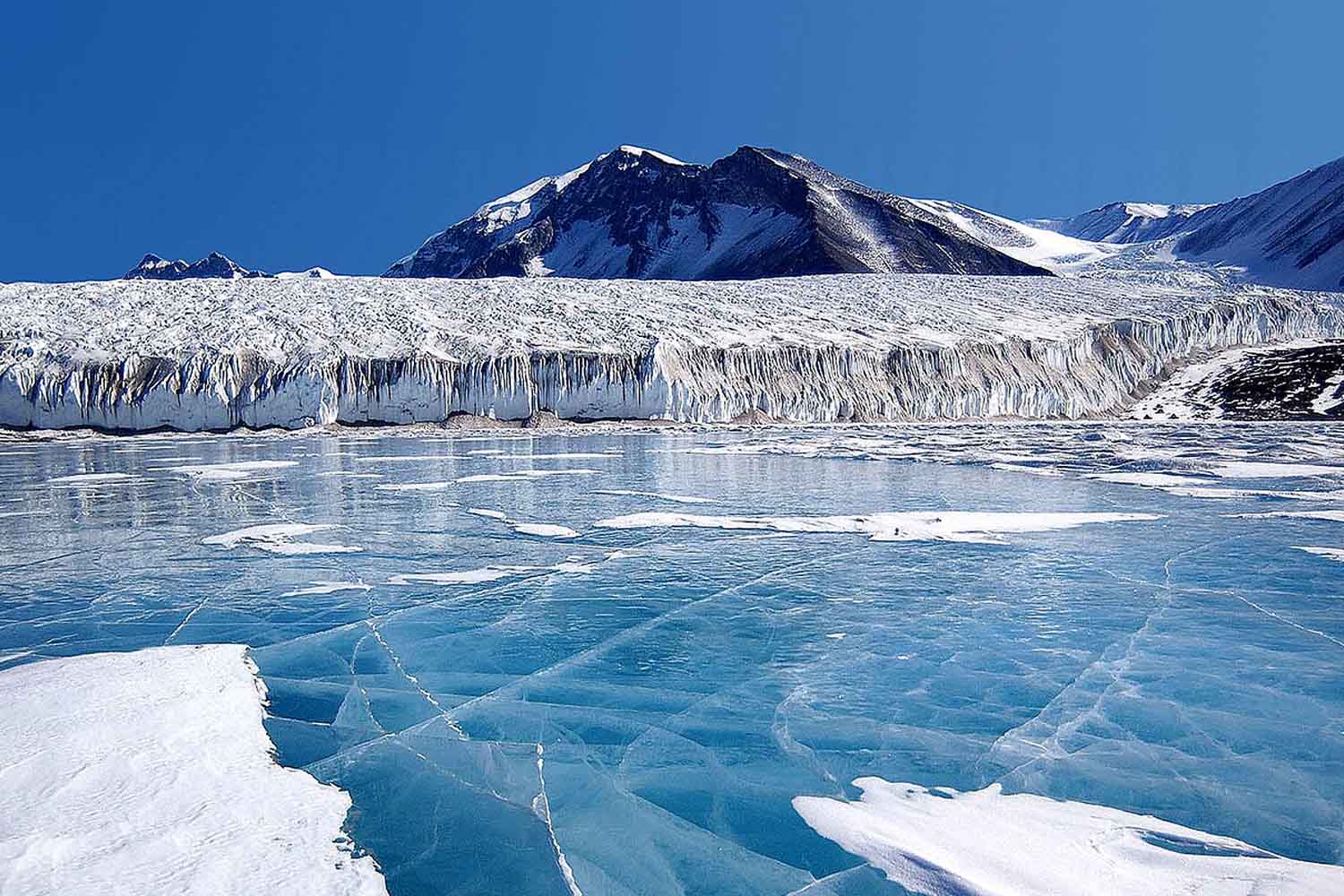
The discovery ofsolar hydrogen in Antarctica It represents a crucial step towards a sustainable renewable energy supply. After years of research and development, projects such as RL Hyweight And green hydrogen are laying the foundations for transforming energy production into one of the most extreme environments on the planet, with important global implications.
How the green hydrogen project in Antarctica was born
The green hydrogen project in Antarctica is guided by Fundación Antártica 21in collaboration with Giz and the Chilean Antarctic Institute. These bodies work together to protect the Antarctic ecosystem, respecting the agreements of the Madrid treaty signed 30 years ago, which aim to preserve this fragile natural environment.
The main objective of the project is to make Antarctica a region a zero emissions Thanks to the production of green hydrogen directly on the continent. This approach reduces the risks associated with the transport of fossil fuels, eliminating the possibilities of contaminating the environment. In particular, the pilot project promoted by Giz focuses on the development of technologies for large -scale green hydrogen production. The elimination of the need to import and store fuels represents an important opportunity to minimize the risks related to logistics and environmental impacts.
The production of green hydrogen uses sun energy, a crucial resource in Antarctica. Thanks to the high quantity of sunny days during the summer, the Region offers ideal conditions for generating solar energy and feeding the hydrogen production process.
The strategic role of green hydrogen in safeguarding Antarctica
The project uses solar energy to produce hydrogensubsequently used as a renewable energy source intended for local needs. This approach allows you to drastically reduce the use of fossil fuels, one of the key objectives of the initiative. In the next ten years, green hydrogen will raise the new Escudero base, eliminating the use of diesel and oil, a transition that marks a fundamental goal for environmental sustainability in Antarctica.
This project is not only a step towards the protection of antarctive, but also an example of how world institutions can collaborate to reach the United Nations objectives on the subject of climate change. The fight against pollution and the introduction of renewable energy are essential to preserve one of the most precious and vulnerable ecosystems in the world.
At the same time, the scientific community is leading innovative research to adapt technologies to the extreme conditions of Antarctica, opening the way to new sustainable solutions. Countries like Germany are investing in effective strategies to promote the production of green hydrogen, showing how these experiments can act as a model for other nations. The lessons learned from these initiatives could accelerate the global transition towards the abandonment of hydrocarbons.
The global potential of green hydrogen in Antarctica
Expanding the production of green hydrogen in Antarctica represents a complex challenge due to logistical difficulties, extreme climatic conditions and high costs. However, the benefits of creating a zero emission area justify the necessary investments. If the project is successful, it could become a replicable model in other regions of the world with hostile environments.
This mission is not limited to producing renewable energy, but aims to revolutionize the way in which humanity faces global energy challenges. The discovery of solar hydrogen in Antarctica marks a historical goal in the transition to a sustainable future, showing that even the most remote places can contribute to the fight against climate change.
The initiative, led by Fundación Antártica 21, Giz and the Chilean Antarctic Institute, has the aim of eliminating the use of fossil fuels and protecting one of the most uncontaminated ecosystems on the planet. The project will provide clean energy at the basis of Escudero by the next decade, aligning itself with the global objectives of reducing emissions and promotion of renewable energies.
Despite the difficulties in ampiliare production, the project provides a concrete example of energy solutions applicable in extreme conditions, representing a benchmark for future developments in the renewable energy sector.
