
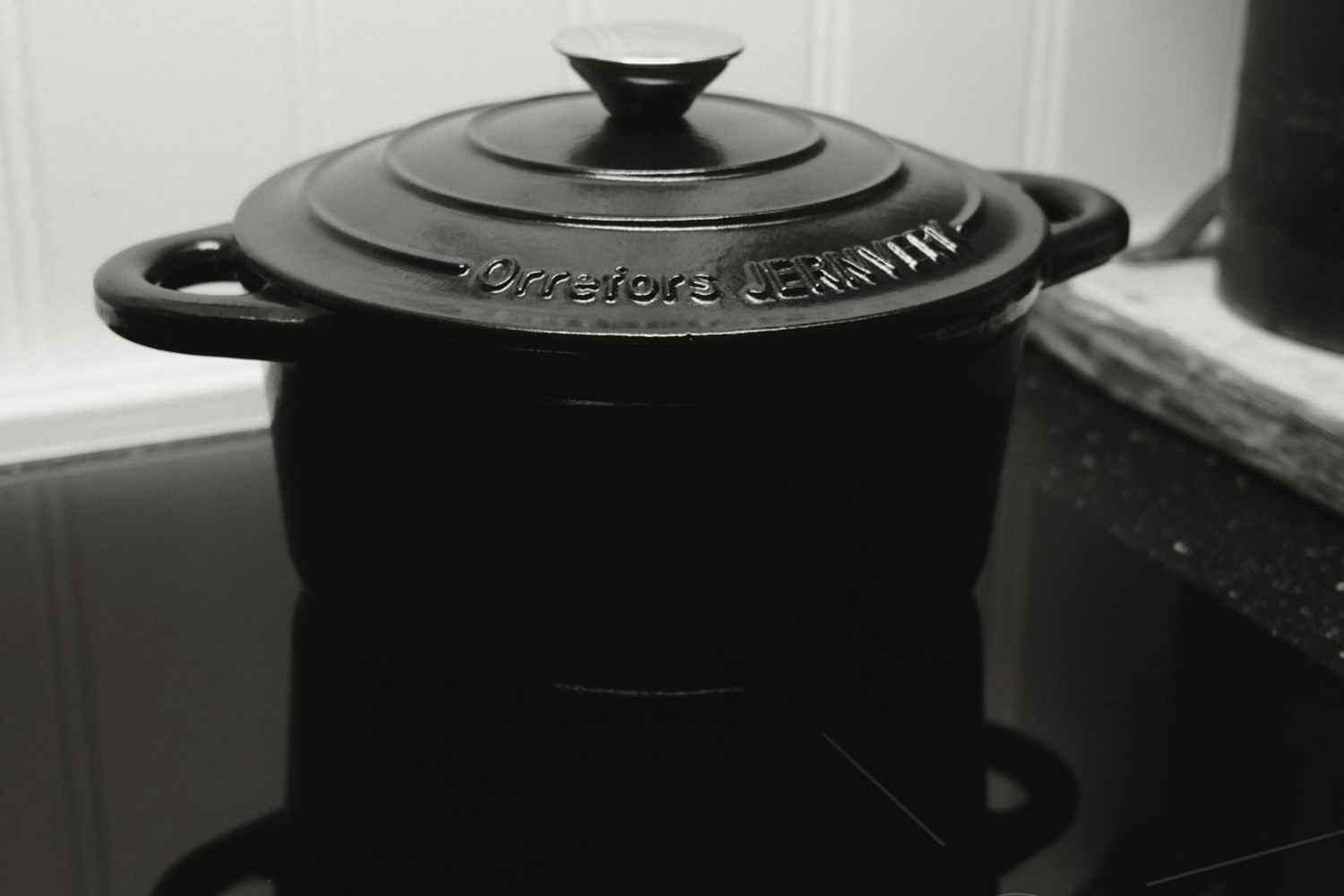
The induction hob has become increasingly common in contemporary kitchens, thanks to its ability to combine technology, practicality and attention to consumption. Unlike traditional systems, the heat is not produced by a flame or a visible resistance, but originates directly in the bottom of the pan through an electromagnetic field. This operating principle allows for very precise temperature control and remarkable speed in the heating phases.
To obtain truly satisfactory results, however, it is important not only to know its functions, but also to create the ideal conditions for it to work best.
Why choose induction instead of gas
One of the main reasons for preferring gas induction concerns efficiency. The heat is generated only where it is needed, i.e. in the pan, with minimal dispersion. This aspect allows you to reduce cooking times and manage energy better, making the induction hob particularly interesting from a savings perspective. Safety is another key element: the absence of open flames and gas eliminates many of the risks typical of traditional stoves. The surface remains relatively cold and heats up only by contact with the pan, significantly reducing the risk of burns. The air quality in the kitchen also improves, since no combustion takes place. From a practical point of view, cleaning is quick and easy, thanks to the smooth surface that does not retain dirt.
The importance of electricity and the system
To take full advantage of the induction hob it is essential to have an adequate electrical supply. These hobs, in fact, require higher power than other appliances and work better when the home system is modern and well sized. A stable current avoids drops in performance and allows you to use multiple cooking zones simultaneously without problems. The combination with a quality electricity contract, preferably from renewable sources, such as the supply of VIVI energia, further enhances the advantages of induction, making the kitchen more efficient and consistent with an environmentally conscious lifestyle.
Suitable pans and temperature control
An often underestimated aspect concerns the choice of pans. The induction hob only works with tools equipped with a magnetic bottom, which react to the electromagnetic field generated by the plate. A thick bottom that perfectly adheres to the surface guarantees uniform heat distribution and greater stability during cooking. The size of the pan also affects performance: using a pan that is too small or too large compared to the cooking area reduces efficiency.
Temperature control requires a different approach than gas. Induction responds immediately to commands, so it is important to learn to anticipate adjustments. Lowering the power a few moments before the end of cooking allows you to exploit the residual heat and prevent the food from overcooking.
Useful features to know
Many induction hobs offer advanced features that make work in the kitchen easier. The “booster” allows you to reach high temperatures in a few seconds, making it ideal for bringing water to the boil or for quickly browning. Alongside this, the keep warm function helps you manage times better, especially when preparing multiple dishes. The integrated timer is also a precious ally, because it automatically turns off the cooking zone and reduces the risk of distractions, improving overall safety.
Cleanliness, care and good habits
To keep the induction hob efficient over time, it is advisable to clean it after each use, but when the surface has cooled down. Furthermore, it is preferable to lift the pans instead of dragging them, so as to protect the glass ceramic from scratches.
