
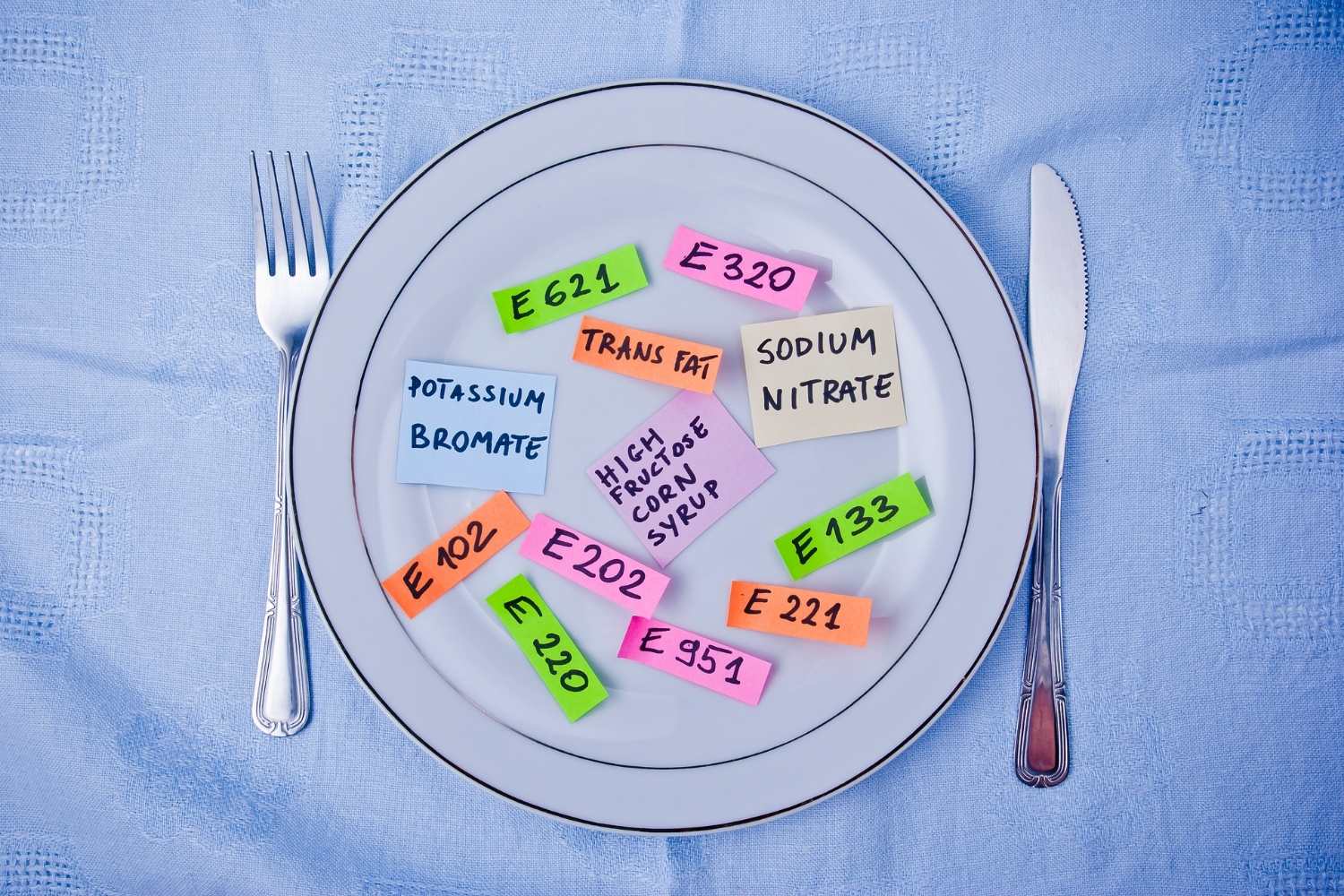
When we do the shopping, how many times do we stop to really look at what’s in the cart? Among labels, acronyms and ingredients, it may seem complicated to understand what we really are taking to tables. To help consumers make more aware choices, EFSA, the European food safety authority, together with the Ministry of Health, launched the Safe2eat campaign for the fifth consecutive year. The goal? Let us understand what happens behind the scenes of the food that we bring to the table and reassure ourselves on its safety.
After talking about the outbreaks of diseases related to plant foods (the so -called Anoa), the campaign continues from September with a focus on food additives, those substances that improve taste, conservation, appearance or consistency of the products.
Citizens can easily access the information material by visiting the official website of the campaign, where cards, videos, infographics and educational content are available. Here you can discover everything on additives, on food safety and how to read the labels, actively participating in the campaign and acquiring concrete tools for their purchases.
What are and how food additives differ
Food additives are substances intentionally added to foods with a precise purpose: to improve the conservation, taste, appearance or stability of the product. Each additive has its own “identity card”, which defines the specific characteristics and purity requirements provided for by European regulations. Only after a rigorous safety evaluation by the EFSA and the approval of the European Commission, can an additive enter the list that allows it to use it.
The additives are distinguished by origin and function:
Based on the function, the additives group in main categories:
In Italy, the use of additives is monitored by the national food additives (2020-2024), which provides for checks on around 1,840 samples per year, with an average percentage of non-compliance by 1.16%. As Camilla Smeraldi explains, toxicologist at the EFSA:
All food additives are subjected to evaluation to ascertain that they can be consumed safely. Consumers can be sure that these substances meet rigorous safety standards.
Additives on the label
Each additive used must appear in the list of ingredients, in a clear and transparent way. The labels indicate both the function of the investigation into the finished product (for example preservative, coloring, antioxidant or thickening), and the specific substance used, reporting the number and the relevant name.
For example:
In this way, it is possible to understand not only the function of the investigation, but even if it is of natural, animal or synthetic origin.
The additives approved by EFSA are safe, but it is always better to prefer products that contain the least possible number and focus on fresh and simple foods.
Don’t you want to lose our news?
You may also be interested in:
