
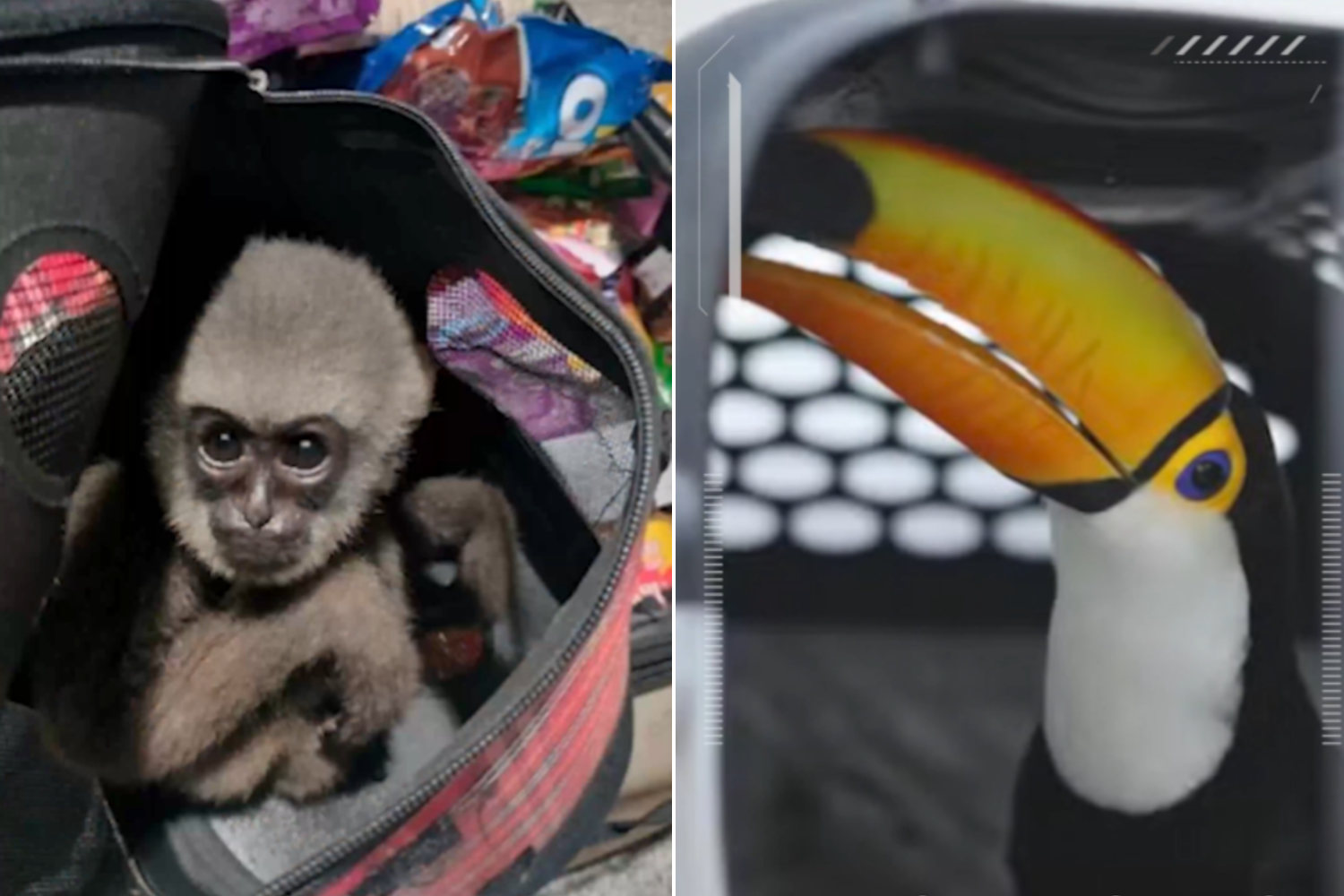
A large-scale international operation led to the seizure of nearly 30,000 live animals and the identification of over 1,100 suspects involved in the illicit trafficking of fauna and flora. The initiative, called Operation Thunder 2025, saw the collaboration of 134 countries, including police, customs, forestry and wildlife authorities. The intervention period was from 15 September to 15 October, with a total of 4,640 seizures, including protected animals, plants and over 30 tonnes of species at risk of extinction.
The growth of live animal trafficking
The phenomenon of live animal trafficking is on the rise, especially due to the growing demand for exotic pets. Among the most egregious cases, Qatari authorities arrested an individual attempting to sell an endangered record on social media for $14,000. Despite the media attention on live animals, most of the trafficking concerns animal parts and derivatives, used in traditional medicines or special foods, such as bushmeat, the exotic meat coming mainly from Africa.
In addition to the iconic animals, authorities intercepted more than 10,500 butterflies, spiders and insects, many protected by CITES, and more than 10 tons of plants. These species, if removed from their habitats, risk unbalancing ecosystems and introducing diseases or invasive species. Trafficking in marine species has also increased, with more than 245 tonnes of protected marine wildlife seized, including 4,000 shark fins, used in culinary and medicinal traditions in Asia.
The dismantling of criminal networks
Operation Thunder highlighted the sophistication of criminal networks, which often intersect with other crimes such as drug trafficking and human exploitation. The coordination between INTERPOL and the World Customs Organization has made it possible to trace illicit financial flows, including those linked to cryptocurrencies, and to strengthen international collaboration for the dismantling of criminal networks. The information collected will be used to improve global law enforcement strategies and prevent new trafficking.
Among the most notable seizures are: pangolins, birds, hippos, corals, illegal timber, and sea truffles. Countries such as Brazil, Tanzania, Indonesia, Mexico and South Africa have conducted complex operations, arresting numerous suspects and recovering rare species destined for the illegal market. INTERPOL and WCO highlight the importance of international cooperation and intelligence sharing to protect global biodiversity.
30,000 live animals seized in global operation against wildlife and forestry crime
A global operation against the illegal trafficking of wild fauna and flora has led to the seizure of nearly 30,000 live animals and the identification of 1,100 suspects.
From 15 September – 15… pic.twitter.com/kYOn3ChtyR
— INTERPOL (@INTERPOL_HQ) December 11, 2025
You might also be interested in:
