
When Donald Trump declared that he wanted to take control of Greenland (like it or not, exact words), an autonomous Danish territory in the Arctic, the Scandinavian country’s response was not long in coming and the gravity of the situation was such that it pushed the Danish Foreign Affairs Commission to call an emergency meeting.
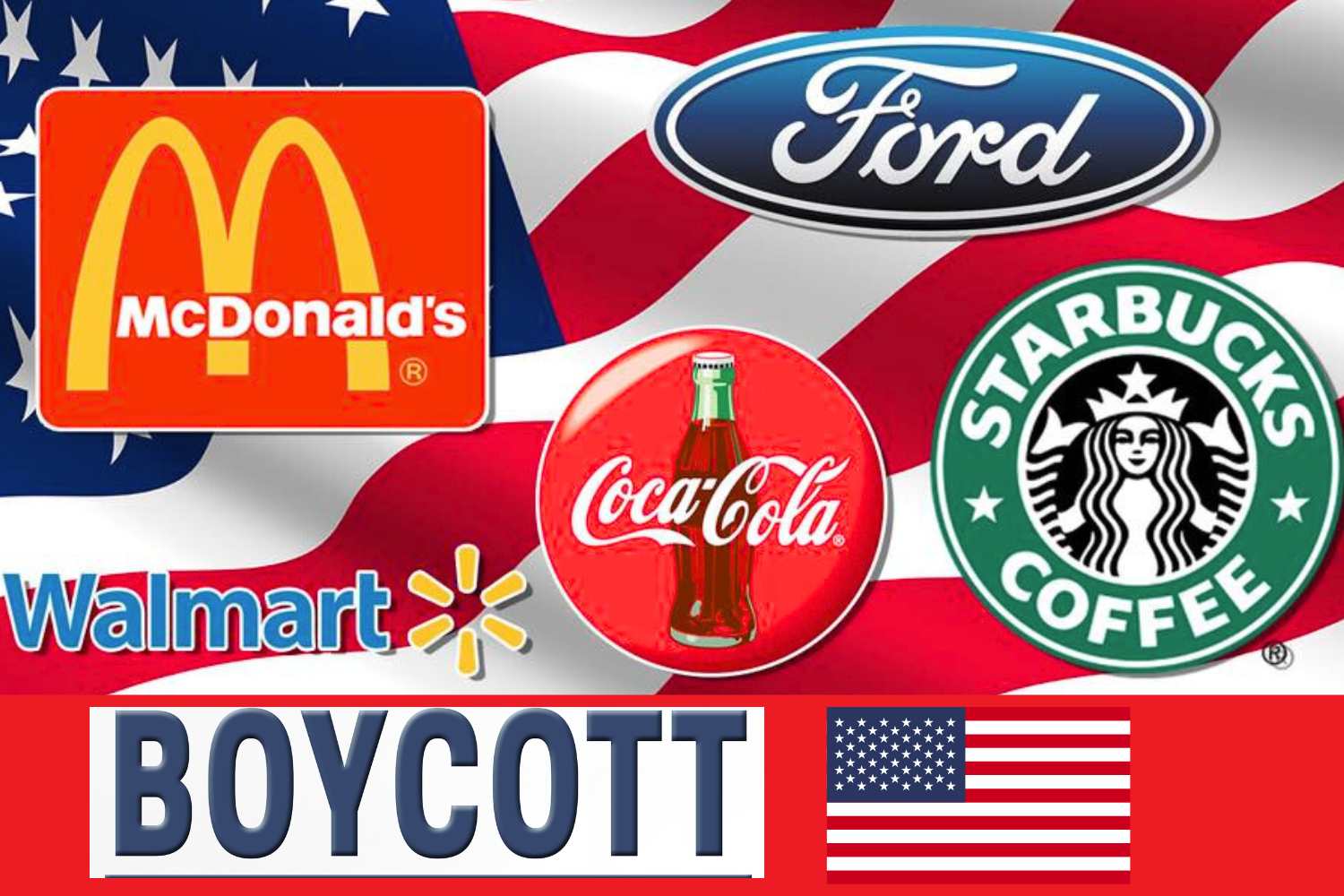
TV2 Kosmopol, a Danish television station, gathered the reactions of the population by literally taking to the streets. The widespread feeling is that of those who feel threatened by an overbearing neighbor who wants to impose his own agenda. And the numbers speak for themselves: a survey revealed that 40% of Danes even consider a military invasion scenario possible. A fear which, however, has not remained confined to living rooms or television debates, but has transformed into a collective action which is involving tens of thousands of people in recent days (and not only in Denmark).
The boycott of American products passes through Facebook
The Facebook group “Boykot varer fra Usa” (Boycott American products) has exceeded 97 thousand members in the last few hours and continues to grow at an impressive rate: according to TV2 Kosmopol, up to 500 new registrations are registered per day. A spontaneous phenomenon that is transforming indignation into concrete action, demonstrating how social networks can become a powerful tool of civil mobilization.
Bo Albertus, founder of the initiative, summarized the movement’s philosophy to the Danish broadcaster with words that sound like a manifesto: “It’s not very difficult to boycott it. Everything has an impact – many flows are small“It is the theory of the drop which, multiplied by thousands of people, becomes a river capable of eroding even the most solid mountains, in this case those of American capitalism.
Albertus himself has set an example by giving up US wines, US streaming services and a long list of food products. The paradox? Coordinate all this through Facebook, the American platform par excellence. But it is a conscious contradiction, as he himself admits: “A necessary evil to reach more people“Sometimes it seems almost inevitable, to fight the system, you have to use the tools of the system itself.
What products are Danes boycotting
Within the Facebook group, Danish citizens exchange practical advice for replacing American brands with local and European alternatives. The list of brands targeted is extensive and includes, for drinks and foods: Coca-Cola, Heinz, Californian wines and nuts, barbecue sauce and US-brand chips which are replaced with European labels.
There is also no shortage of digital platforms: subscriptions to Netflix, YouTube Premium and Amazon Prime are canceled in favor of Danish and European services such as TV 2 Play, Drtv and Viaplay.
Other sectors involved are tourism and financial investments, obviously no holidays in the United States and the invitation to also review your stock portfolios.
The economic impact according to experts
According to a professor of economics and management at the University of Southern Denmark interviewed by TV2 Kosmopol, the impact of this movement could be anything but symbolic.
“Questioning brands that are based on American identity reduces their value” observed the expert, underlining how the hardest blow could come from the digital sector: the mass abandonment of US platforms would have concrete and measurable economic consequences.
The boycott of “Made in USA” products is not limited to Denmark alone. In Canada, another country concerned by Trump’s positions, the movement has taken on even more structured contours. Dedicated applications have been created such as “Maple Scan”, “Buy Canadian”, “Is This Canadian?” and “Shop Canadian’app” which allow consumers to scan the barcode of products to verify their origin, thus facilitating the informed purchase of local products.
Why Trump wants Greenland
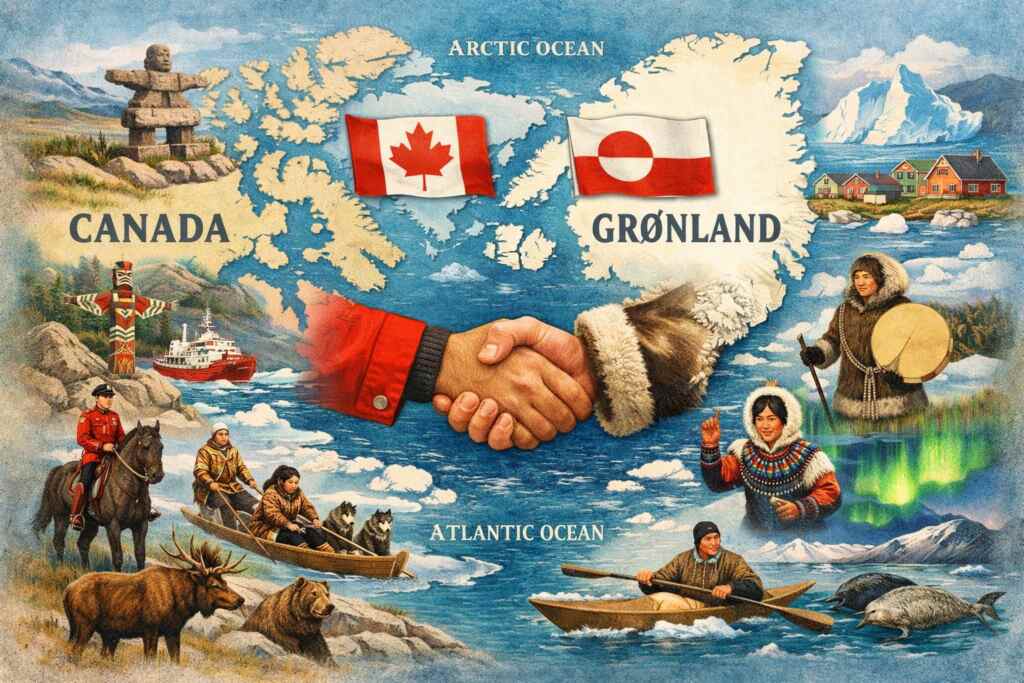
Greenland is not exactly the remote island with around 60 thousand inhabitants that we imagine. Or at least it’s not just that, under its ice it holds a true treasure of natural resources. Oil, gas, precious minerals and above all rare earths such as neodymium and dysprosium, indispensable for electric motors, wind turbines and digital technologies, make Greenland a strategic territory for the global economy and the energy transition.
Experts estimate that some Greenlandic deposits could cover a significant part of the future global demand for these raw materials, making the island a coveted target not only by the United States, but also by Russia and China. The combination of mineral resources, hydrocarbons and rare earths therefore makes the reason for the “Trumpian cravings” clear: controlling Greenland would mean having access to critical resources in an era in which clean energy, electrical technologies and strategic raw materials dictate economic and geopolitical power.
A grassroots protest that makes you think
But returning to the boycott, the Danish one represents an interesting case of grassroots activism, where ordinary citizens demonstrate that real power lies not only at the ballot box, but also in daily consumer choices. Every product we put (or don’t put) in the cart is a vote, every canceled subscription is a declaration of intent.
It remains to be seen whether this movement will continue to grow and whether it will actually succeed in influencing the trade dynamics between Europe and the United States. But one thing is certain: the Greenland issue has awakened something profound in the Danish population together with that important awareness that change also starts from small individual actions.
