
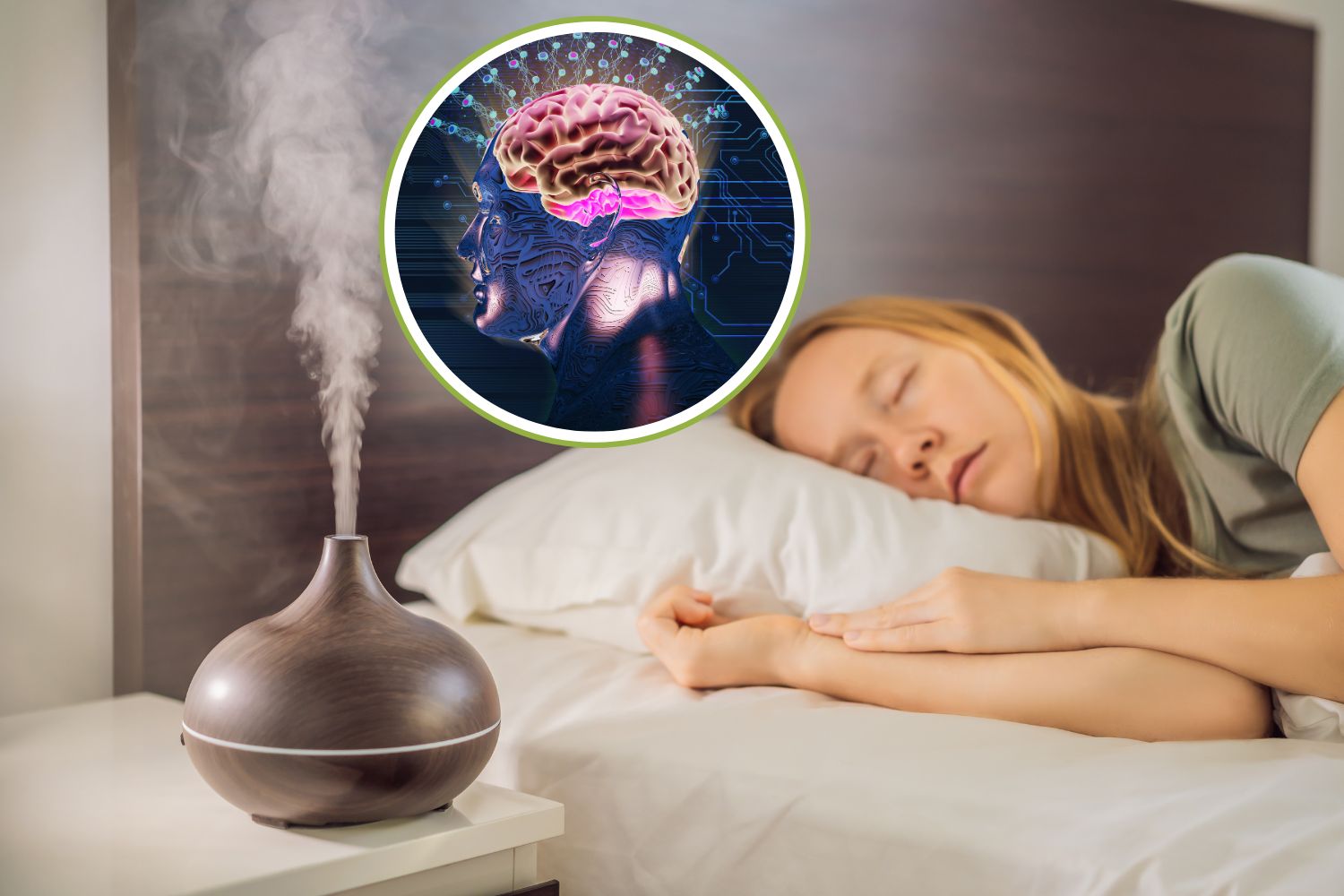
The study of the University of California reveals that night aromatherapy can improve the memory of 226% in the elderly: a non -invasive technique that acts as we sleep
According to a study conducted by the neuroscientists of the University of California, Irvine (UCI), published in the magazine Frontiers in neuroscience, spread a different scent every evening for two hours during sleep It can drastically improve cognitive functions in adults between 60 and 85 years old. The participants of the “enriched” group, who inhaled essential oils in concentrated form, recorded an increase of 226% in mnemonic performance Compared to the control group, which received oils in minimum concentrations.
The study transforms a known connection between smell and memory into a concrete, simple and non -invasive strategy to strengthen cognitive skills and potentially contrast the onset of dementia.
The research was carried out by Center for the Neurobiology of Learning & Memory of the UCI, with the involvement of Men and Women between 60 and 85 years without cognitive disorders. Each participant received A speaker and seven perfumed cartridgeseach containing a different natural essential oil. Every evening, before going to sleep, a new cartridge was inserted: the speaker was automatically activated for two hours during sleep.
The results were evaluated through a verbal learning testand showed a clear advantage for the group exposed to perfumes in pure form. But that’s not all: The brain images have revealed greater integrity of the left unkinda bundle of white substance that connects the medial temporal area to the prefrontal cortex, a fundamental region for memory and the decision -making process. This bundle, which usually deteriorates with age, has shown signs of structural improvement. In addition, the participants reported a deeper and more restful sleep.
A sense underestimated with direct access to the circuits of memory
The UCI team highlighted The unique role of the smellthe only sense connected directly to the brain areas responsible for memory, without going through the thalamus. “Everyone knows the evocative power of the smells, capable of bringing to mind distant memories,” explained Professor Michael Yassadirector of the CNLM. “But, unlike vision and hearing, there is no common solution for the drop in smell”.
The loss of olfactory capacity is recognized as An early indicator of over 70 neurological and psychiatric diseasesincluding Alzheimer’s, Parkinson’s, schizophrenia and alcoholism. Previous studies had shown that exposure to many smells during the day could improve memory and mood in patients with dementia, but The new method radically simplifies the approach. “It is not realistic to think that people with cognitive deficits can manage dozens of perfumed bowls daily,” he said Michael Leonprofessor of Neurobiology.
The solution created by the UCI staff involves the use of Only seven fragrances, one at a time, in a completely automatic way and during sleepeliminating any effort from the user.
New therapeutic perspectives: from the laboratory to the home
The next goal of the researchers will be verified the effectiveness of this technique also in subjects already affected by diagnostic cognitive compromises. The hope is that this study gives new research in the field of olfactory therapies for memorytaking advantage of a way as simple as it is promising.
A development is already being developed Commercial device based on this protocoldesigned for domestic use and expected on the market by autumn.
