
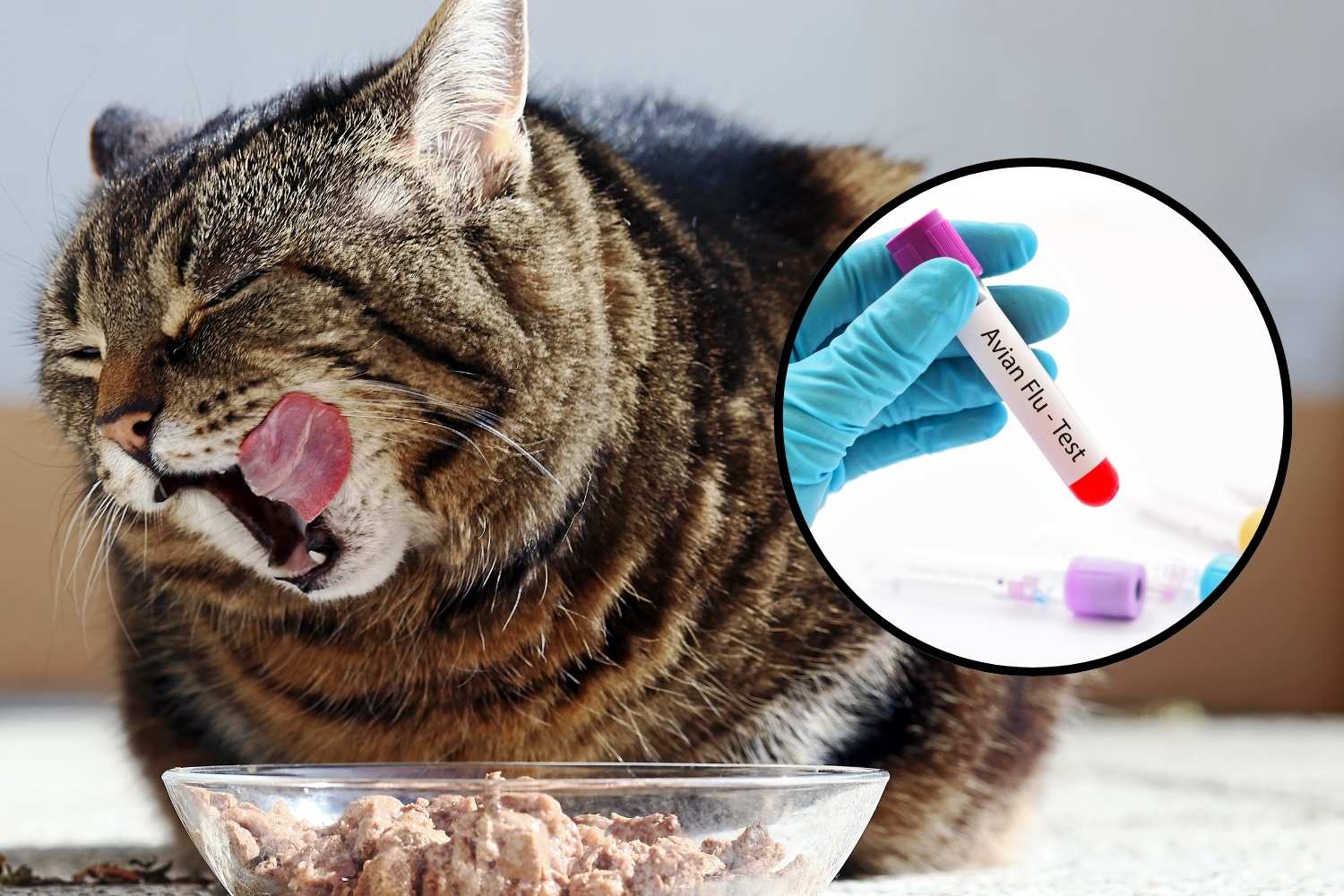
Avial influence is one infectious disease caused by a virus which mainly affects birds, but which in recent years has aroused concern for its potential diffusion also among other animals, including humans. Although the cases are rare, the virus can also be transmitted to mammals, such as cats, not only through direct contact with infected animals, but also through the consumption of contaminated meat, as happened recently in the United States.
In recent weeks, they have occurred The first cases of avian influence among US household cats due to contaminated food, Episodes that have unleashed a series of calls from a company that produces raw food for animals.
Wild Coast Raw’s call
Wild Coast Raw had to collect several lots of its product from the market Feline Boneless Free Range Chicken After some cats in Oregon they fell ill with avian influence and have been suppressed. The tests carried out on cats, and on non -open packages of the product, confirmed the presence of the H5N1 viruses.
The lots concerned include codes 22639, 22641, 22653, 22660, 22664 and 22672, all with expiry date set for 12/2025, and can be identified by stickers affixed to the covers of the packaging.
In response to the situation, Wild Coast Raw has started producing a new line of cooked chicken -based catsa formula that will be available shortly. Cooking at 165 ° F (about 74 ° C) is in fact sufficient to eliminate the avian flu virus, according to the centers for Disease Control and Prevention (CDC).
However, the company did not provide detailed explanations on how the products withdrawn have been contaminated.
The risks of raw food
What happened rekindles attention on the possible contaminations of raw food and on the risks that such foods could lead to the health of animals and their owners. In addition to the H5N1 virus, raw food for animals is known to be potentially contaminated by other pathogens, such as Salmonella, which can cause diseases both in animals and human beings.
To reduce these risks, it is essential to caution raw food with caution, disinfecting the surfaces and carefully washing your hands after preparation. In addition, it is advisable to avoid administering raw foods to pets, in particular those coming from unchanged sources.
New rules for producers
Concerned by the situation, the FDA has introduced new regulations for pet food manufacturers, in particular those who use raw or unpasteurized ingredients. The new rules aim precisely to prevent state -influence contamination.
Manufacturers will have to update their food safety plans, adopting preventive measures such as the thermal treatment of the ingredients to ensure the inactivation of the virus. We talked about it in a previous article: avian influenza: a risk also for dogs and cats, the US change the rules for animal food manufacturers
The symptoms of avian influence in cats
According to the American Veterinary Medical Association, the signs of avian influence in cats include:
What happened concerns only the United States And it is a specific case linked to a company that produces raw food for animals. At the moment, in Italy there have been no similar cases of avian influence in cats but it is always important to monitor the health of our animals and pay attention to the quality of the food we add.
