
The first European human case of avian influenza A(H9N2), detected in Lombardy, does not open up emergency scenarios but brings back into the spotlight a topic often relegated to experts: the leap in virus species and the increasingly close link between human, animal and environmental health. This is clarified by the Ministry of Health, which confirms that the infection was contracted abroad and that, at present, there are no critical issues.
The patient, already fragile and with concomitant pathologies, is hospitalized in isolation at the San Gerardo hospital in Monza. The health authorities immediately activated surveillance protocols, identifying contacts and coordinating with the Higher Institute of Health and international bodies. A response that is part of the systems already tested for infections of this type.
A known virus, but little discussed
The H9N2 subtype is not new to the scientific community: it has been circulating for years especially in Asia and the Middle East and is considered low pathogenicity. Rare human cases generally manifest with mild symptoms. Infection occurs almost exclusively through direct contact with infected poultry or contaminated environments. There is currently no evidence of transmission between humans.
Yet, precisely this apparent “normality” represents the most delicate point. As also underlined by the virologist Fabrizio Pregliasco, events of this type are indicators of viral evolution. They don’t make the news as much as emergencies, but they help build the context in which new critical issues could emerge.
The crux of intensive farming
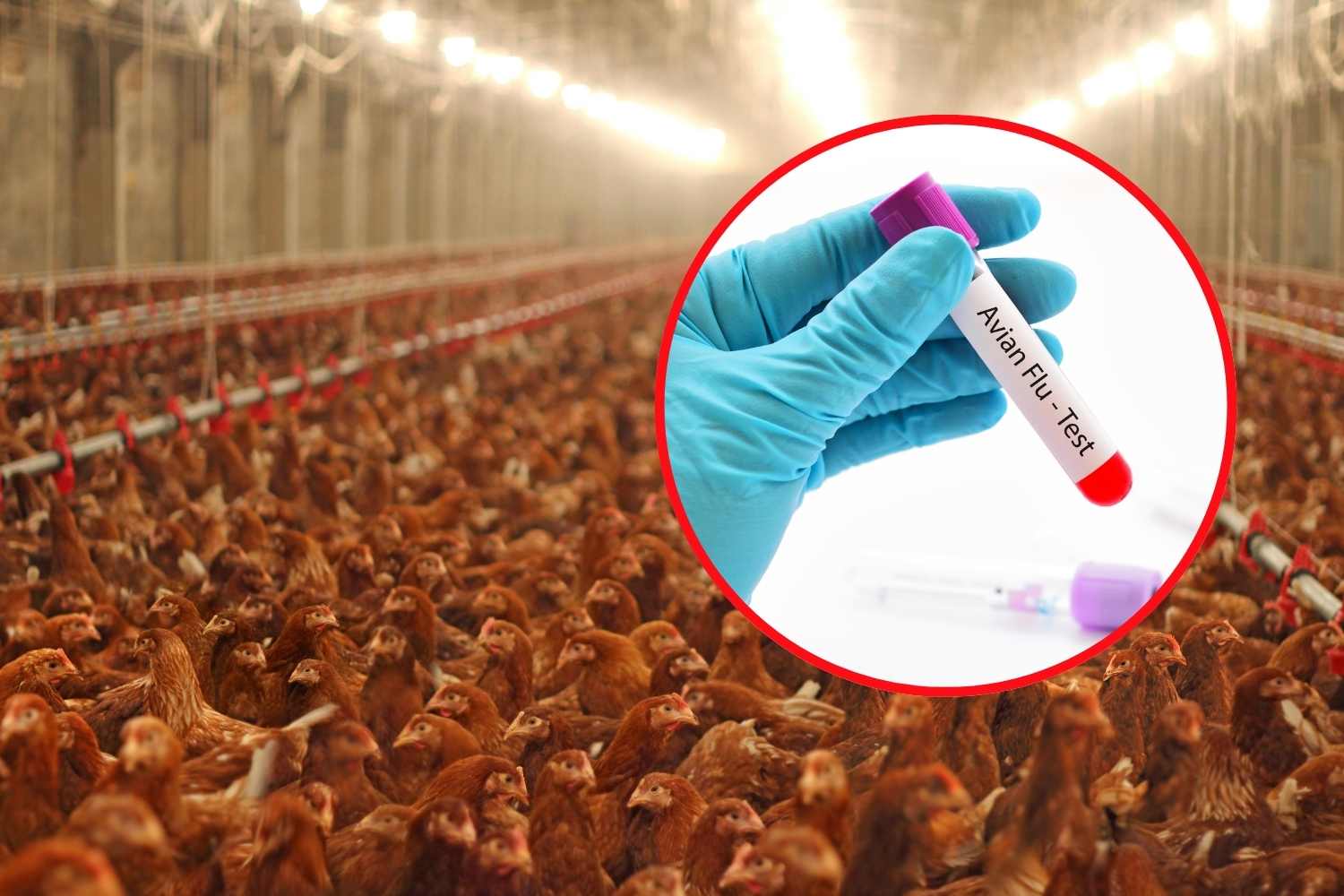
The Lombard case inevitably brings attention to a structural factor: the role of intensive farming in the spread and mutation of avian viruses. Environments with high animal density favor the circulation of pathogens and increase the probability of genetic recombination. In this framework, prevention cannot be limited to human health control. It requires an integrated approach, in line with the One Health paradigm, which brings veterinary, environment and public health together. Monitoring farms, reducing overcrowding and improving hygienic-sanitary conditions become strategic, not just ethical, actions.
Surveillance yes, alarmism no
The authorities reiterate that the situation is under control. The epidemiological surveillance system worked, quickly intercepting the case and activating the necessary measures. It is precisely this ability to respond that makes the difference today compared to the past. But the episode remains a reminder: influenza viruses are dynamic and global, traveling with people, animals and goods. Ignoring them until they become emergencies is a mistake we’ve seen before.
The appearance of sporadic infections such as H9N2 represents an indicator not to be underestimated in the map of global health risks. Not so much for the immediate impact, but for what it can prefigure.
An environmental issue, not just a health one
In a context marked by climate change, loss of biodiversity and pressure on ecosystems, the boundary between environmental health and human health is becoming increasingly thin. Zoonotic viruses thrive precisely where these balances are broken. The Lombard case, although isolated, invites a broader reflection: preventing the next crises means intervening today on production models and on the relationships between man and nature. It is not a question of alarm, but of foresight.
Sources: National Federation of Biologists’ Orders / Adnkronos
