
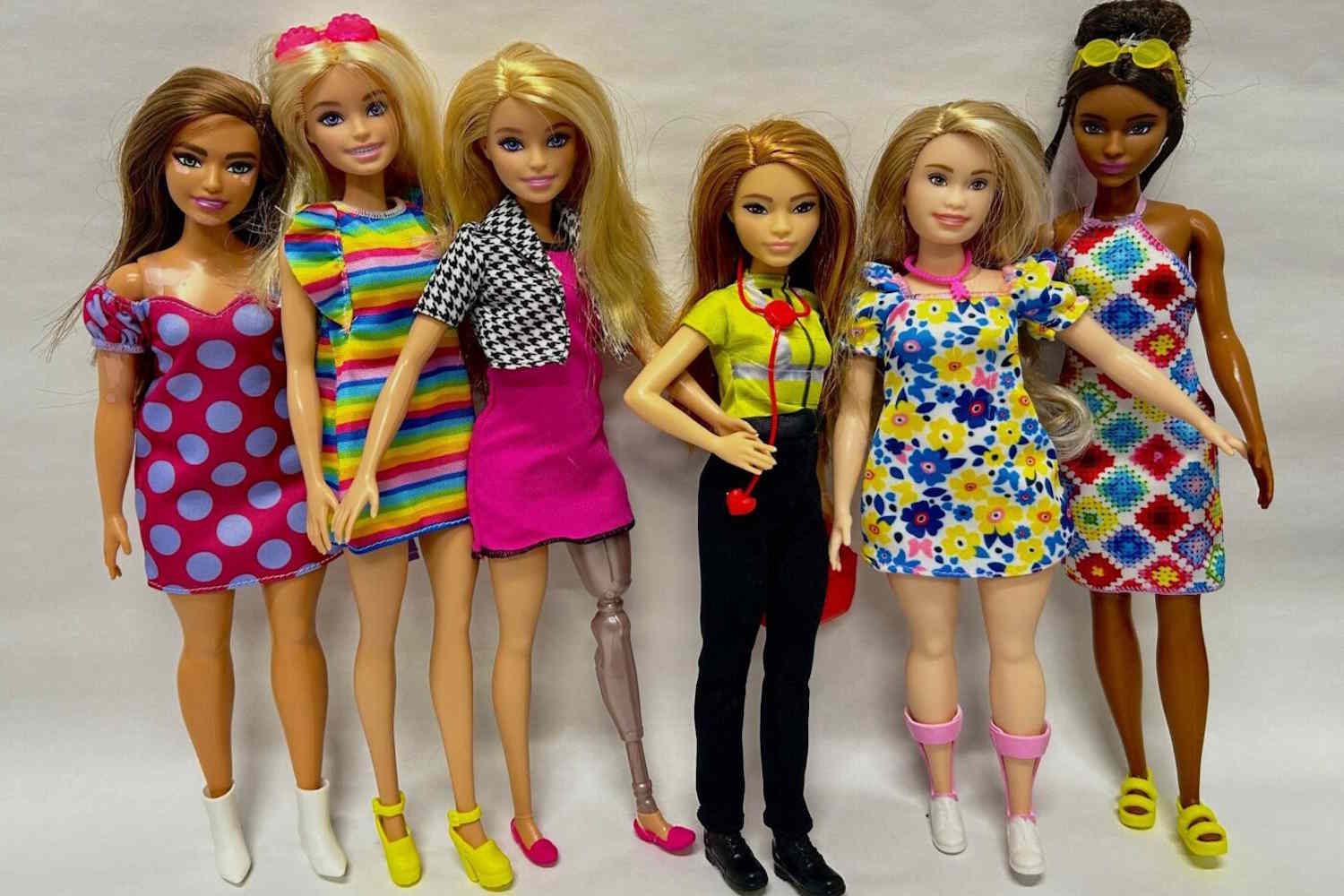
Born in 1959, Mattel’s Barbie has made it from the road. On heels, yes. Yet she too – obviously – has gone through decades of transformations, adapting to changes in social roles, world of work and female aesthetic ideals, becoming a real reflection of the fashions that run.
But so far how much attention we had dedicated anything but marginal detail? There posture of his feet!
A recent study by the Monash University of Frankston, Australia, published in the magazine Plos One, analyzed 2,750 versions of Barbie produced between 1959 and June 2024. And the result is precisely what we had to expect.
The study
To analyze the evolution of Barbie’s shoes, the researchers have developed a new classification system, called Feet – acronym that is for Foot Posture (foot posture), equity (diversity and inclusion), Employment (working theme or fashion linked), and time periods (production period).
The posture of Barbie’s flat foot had a very strong positive correlation with the occupation and the temporal point, while the posture of the equine foot (on tiptoe) had a very strong positive correlation with fashion. In the same way, equity (diversity) has a very strong positive correlation with fashion and a strong positive correlation with employment.
The results show a clear decline of the classic posture on tiptoealways associated with high heels and a certain female ideal glamor: while in the 1960s 100% of the Barbie presented this feature, between 2020 and 2024 the percentage dropped to 40%.
According to the authors of the study, this evolution could reflect a change in the cultural messages transmitted by the doll.
Barbie seems to choose the posture of the feet and the footwear that best allow them to participate in work and physical activity – observe the researchers. In short, the position of the feet becomes a symbol of the transition from a static image and idealized to a more active and autonomous figure.
However, The same authors warn that it is not possible to establish a causal link between Barbie’s posture and the real working and social conditions of women, and that Mattel’s design choices are probably influenced by marketing logic and commercial trends rather than by emancipator intent.
In other words: Barbie changes, yes, but with the eye always turned to the market.
