
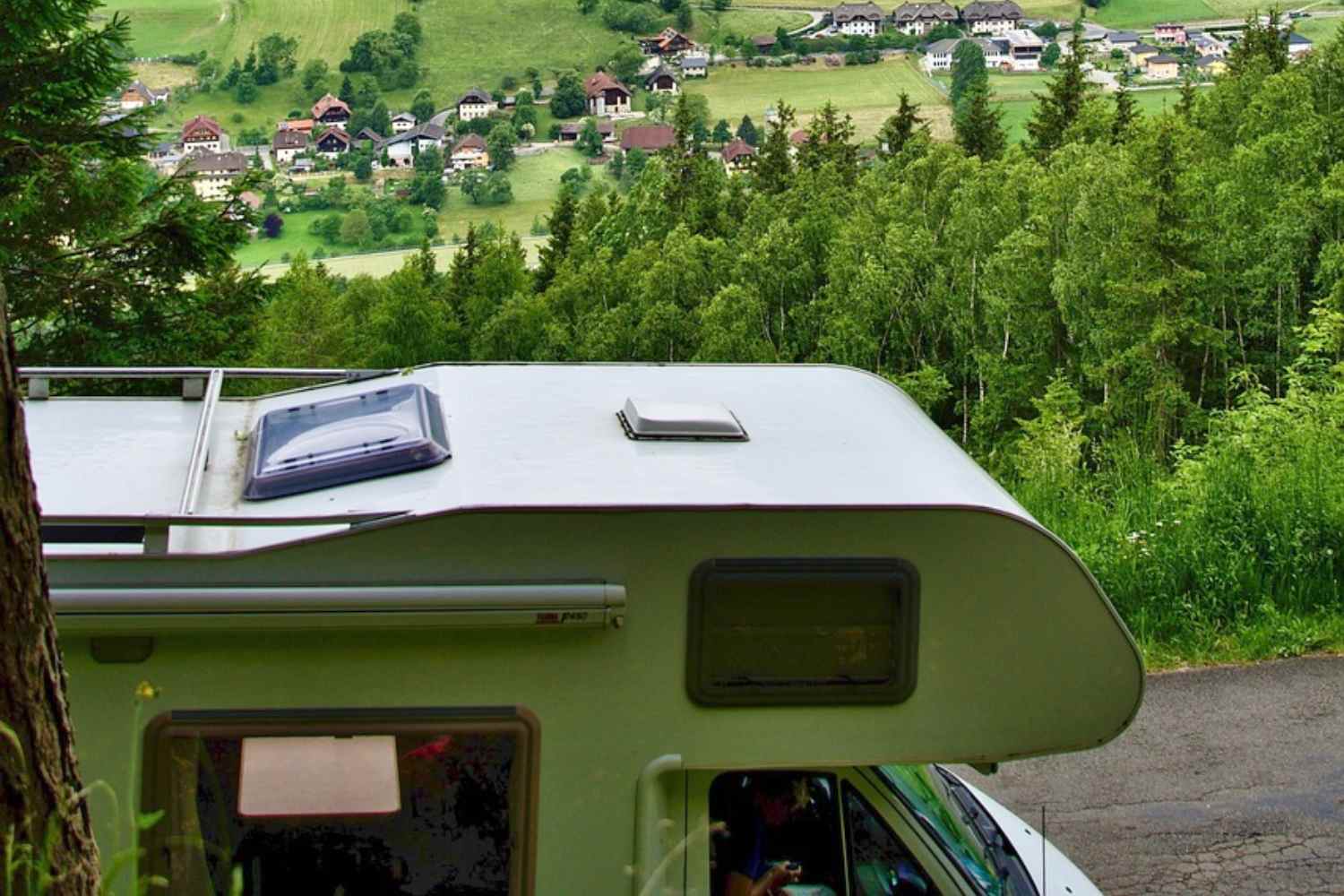
The B driving license is destined to change profoundly in the coming years, with a European reform that aims to adapt driving rules to new electric mobility and latest generation vehicles. The European Commission’s proposal introduces an increase in the maximum drivable mass, together with new access conditions and more stringent controls.
From 3,500 to 4,250 kg: the new threshold that changes vans and campers
The heart of the reform is the increase in the weight limit: from the traditional 3,500 kg it will go to 4,250 kg, paving the way for a new generation of vehicles. The adaptation mainly concerns electric vans, campers and light commercial vehicles, often penalized by batteries which increase the overall weight. An increase of 750 kg which would change everything given that today many vehicles exceed the current threshold not in size, but in terms of the weight of the technologies on board.
The issue of battery weight
According to Brussels, the current legislation was born in a now outdated context, designed for internal combustion vehicles. Today, however, the electric transition makes many vehicles technically suitable for driving with a B license but formally excluded due to the weight of the batteries alone. An electric vehicle is not simply an “engineless” version of a traditional one. Battery packs can weigh between 400 and over 700 kg, directly impacting the overall mass. In campers and commercial vehicles this effect is amplified: reinforced structure, additional safety systems and higher autonomy easily lead beyond the 3,500 kg threshold.
The goal: to unlock electric mobility without slowing down the market
The reform aims to avoid an increasingly evident paradox: heavier ecological vehicles become unusable for those who only have a B license. This has already slowed down the development of electric campers and new generation commercial vehicles. Among the models cited by operators in the sector there are also large vehicles such as the future Mercedes VLE, destined to easily exceed the current threshold. Without a regulatory review, part of the electricity market would risk remaining blocked.
New rules for driving: minimum experience and training
The ability to drive vehicles up to 4.25 tonnes will not be automatic. In fact, the directive provides for a precise condition: at least 24 months of seniority with a B driving licence. For campers and some recreational vehicles, a training course or an additional test is also required. The declared objective is to maintain high road safety, especially in a context in which vehicles become larger and more complex to manage.
More freedom but also more controls for new drivers
Alongside the expansion of driving opportunities, Brussels also introduces a tightening of the rules for new drivers, considered the category most exposed to accidents. More uniform controls at European level and greater cooperation between Member States are expected. The limits on the number of passengers remain unchanged, set at eight people in addition to the driver. Entry into force is expected by the end of the decade, with national transposition in the following four years.
You might also be interested in:
