
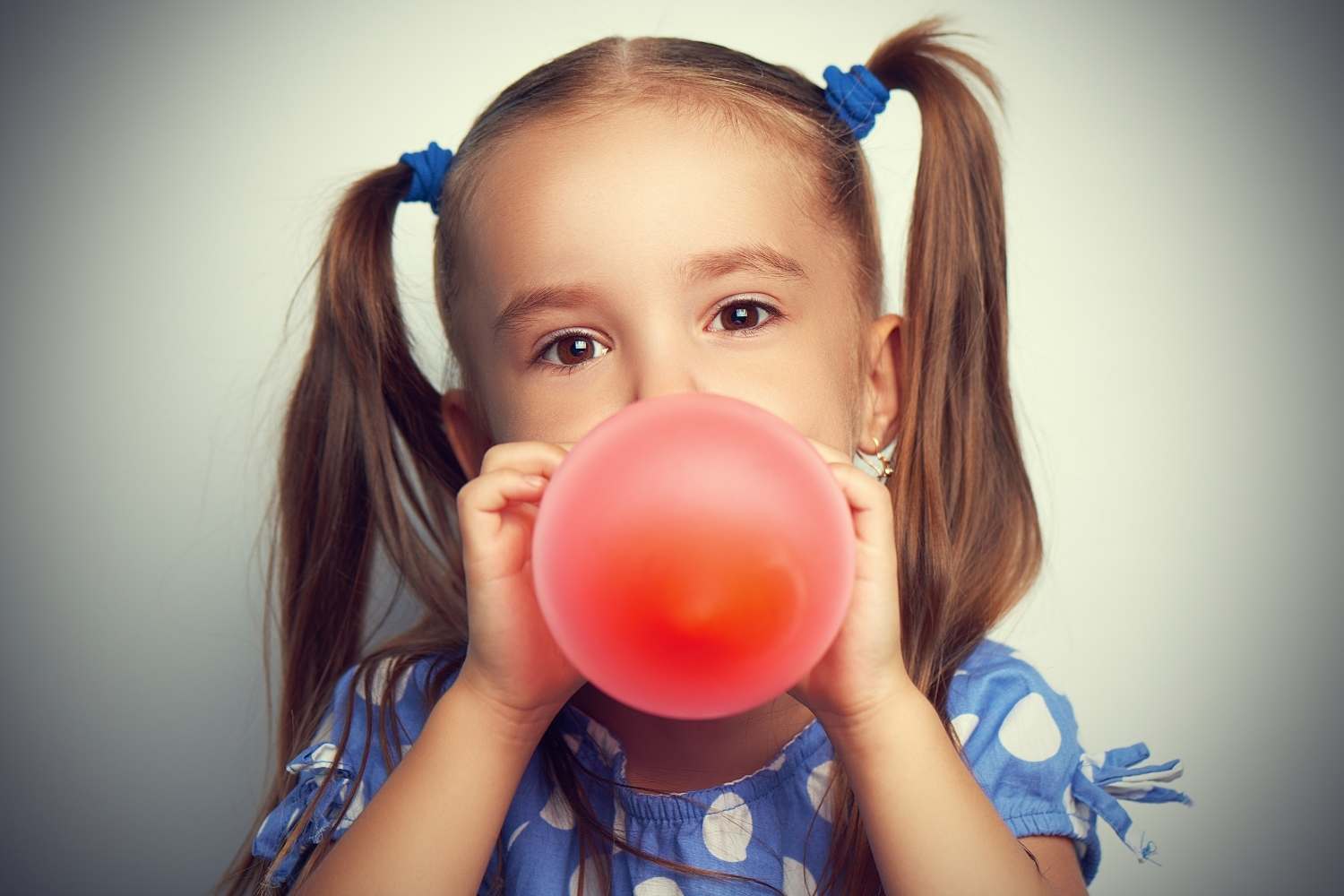
Swell a balloon It is a gesture that many consider harmless, almost automatic, especially when it comes to entertaining children during a party or another moment of play. Yet behind this simple action often underestimate risks are hidden.
A new investigation, conducted by ÖKO-TESTrevealed the presence of nitrosamine In some balloons for sale, we are talking about potentially carcinogenic and dangerous chemicals for health. To this risk is added that of suffocation, a real danger especially for the little ones, which can accidentally inhale or swallow pieces of deflated or broken latex. These elements push us to reflect: is it really sure to let children swell balloons with their mouths?
The test
German experts analyzed 20 envelopes of balloons purchased in toy, supermarket and online stores. The result? Almost three quarters of the products, fortunately, they were without or contained only minimal traces of nitrosamines, but 6 products had worrying quantities of these carcinogenic substances, of which three even exceeded the legal limits established since 2009.
But why are these dangerous substances found in the balloons? Nitrosamines are formed during the production of latex balloons due to the chemical reactions that occur when natural rubber is treated with particular substances called accelerators of volcanoization. These additives are necessary to make the latex more resistant and elastic, but in some cases they can react together forming nitrosamines, harmful and potentially carcinogenic chemical compounds even in small quantities.
The Oral contact – like the one that happens by inflating the balloon with the mouth – represents the main way through which these substances can enter the body.
The test analyzed balloons for sale on the German market by evaluating the various brands as usual with different scores, but in this case we don’t care so much to know which they are worse or better, but rather reflect on the risks related to the use of these children’s products.
The legislation is there, but the problem persists
European law since 2009 imposes very rigid limits in the presence of nitrosamines in rubber toys that can be put in the mouth. The Alara principle (AS Low As Reasonably Achievable) aims to ensure that exposure to these substances is reduced to a minimum.
Yet, after over 20 years of alarms and calls, the investigation of ÖKO-TEST It shows that the sector has not yet completely eliminated the problem. Even some balloons sold in Italy may still be dangerous. In the past, there was in fact an investigation of Altroconsumo which had highlighted similar results.
Suffocation risk
Then there is another aspect to consider. As we have already said, in addition to the chemical risk, swelling the balloons with the mouth can involve physical dangers and even deflated or broken balloons represent a serious risk of suffocation, especially for the little ones, as the pediatric nurse Stefania Testa explains in the following video.
View this post on Instagram
 CN TO AND ONLINE (@pediatricnurse_stefaniatesta)
@Öko-Testnon we finally forget the environmental impact of the balloons, that once you deflate or broken they become difficult waste to dispose of. The latex, even if natural, takes a long time to degrade and can represent a danger to the wildlife that could accidentally ingest it. Not to mention those who are deliberately freed in the environment on the occasion of some event.
How to protect our children
To minimize the risksÖko-test Recommend:
