
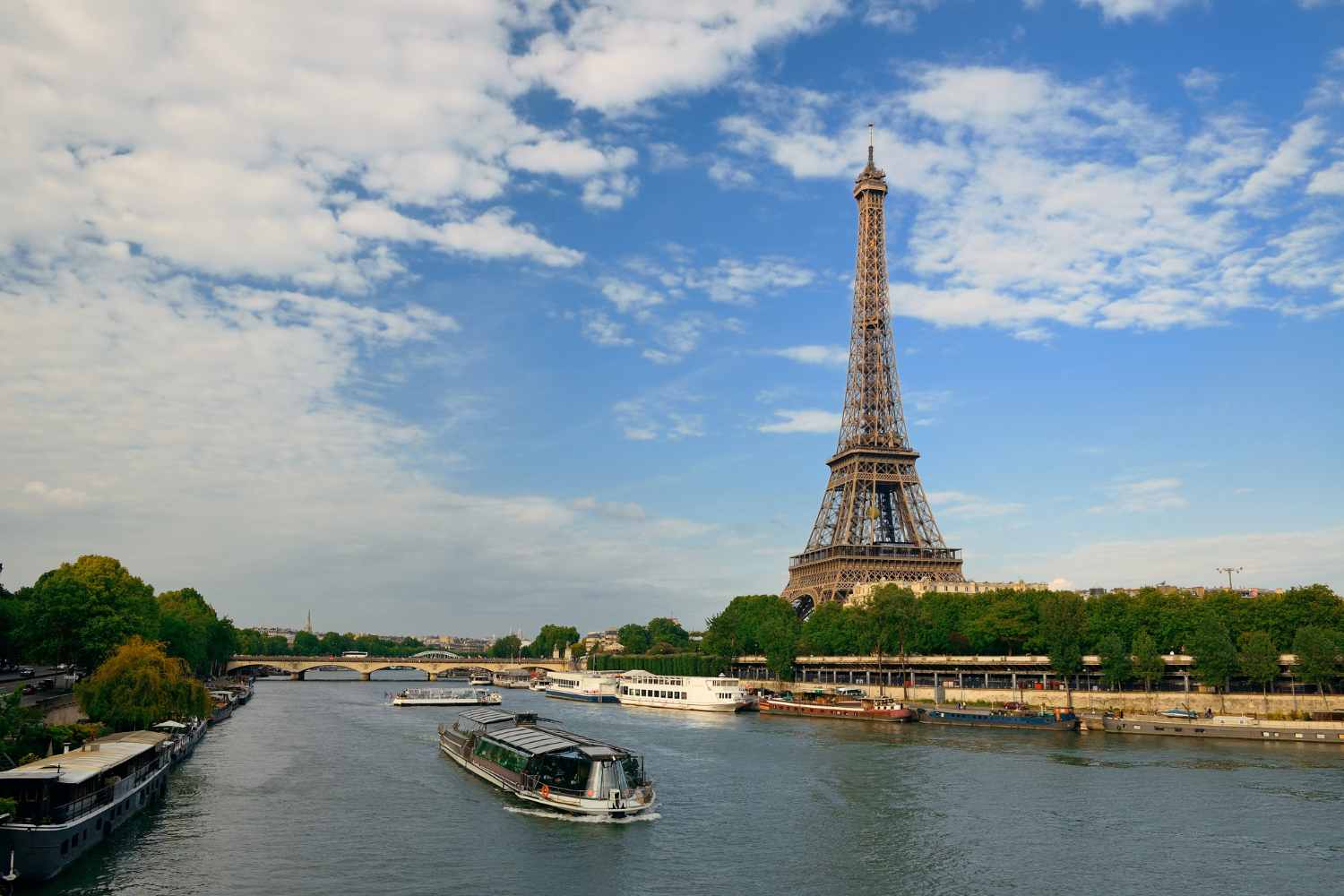
Who would have said that one day we could take a dip in the heart of Paris (the Paris 2024 Olympics aroused great enthusiasm for the senna redevelopment project, where triathlon and swimming races were held, even with many controversies concerning the actual state of the river, which was not clean clean), or swimming among the contemporary architectures of the port of Oslo without fear. And waste?
In some European cities, the dream of bringing the waters of rivers and ports to a bathing state has become reality, with various projects that aim a new approach to livability, sustainability and quality of life.
Paris, a dip in history on Bassin de la Villette
Paris is not new to the idea of swimming on the Seine. The archives tell of floating swimming pools that overlooking the Pont Neuf, spaces of sociality that offered refreshment and leisure, such as the historic deligny swimming pools that had floated on the river since 1700 before sinking in 1993.
The French capital rediscovered the pleasure of the urban bath thanks to the Bassin de la Villette, an artificial basin that has welcomed the Parisians since 2017 in search of a swim during the summer days. Here you can breathe a popular and lively atmosphere, where every detail is designed to welcome families with showers, changing rooms, deckchairs and umbrellas.
Admission is free, but access is regulated to ensure safety, with a maximum of 200 people at a time and daily controls on water quality. During Paris Plages, the event that every summer transforms the banks of the Senna into a large urban festival, the Bassin de la Villette pools become a symbol of how a city can regain its river.
Copenhagen, from the polluted port to the paradise of urban swimmers
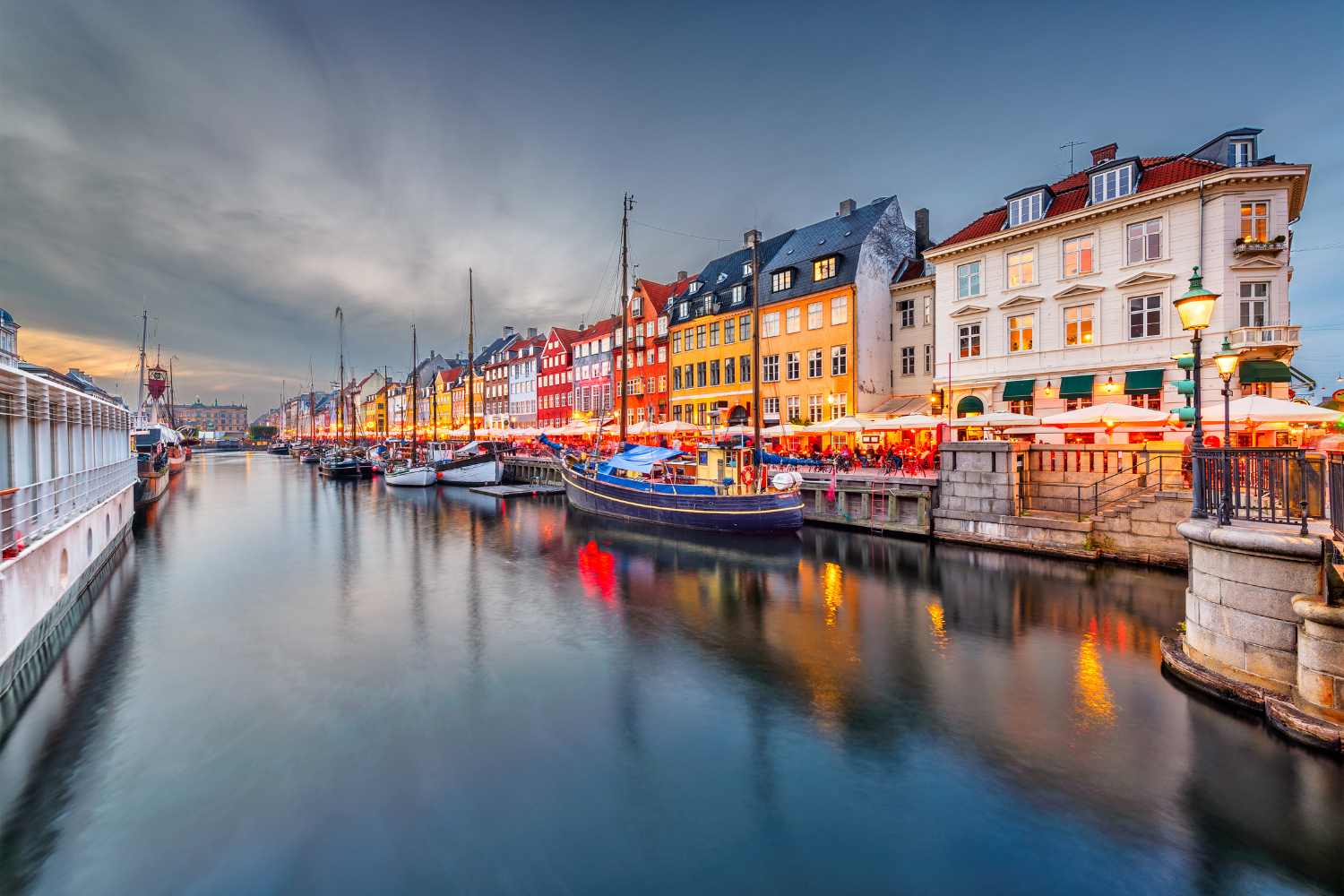
There are cities that have made water a new community space, and Copenhagen is the most striking example of this. Once upon a time his port was suffocated by industrial waste and oil exhausts, a place that no one would have ever imagined to use to take a bath.
In the nineties, the Danish capital started an imposing water redevelopment program, in which the purification plants were enlarged and built underground basins to divert the waste water. The result? A port back to life, where people also swim today in winter thanks to a network of public saunas that overlook transparent waters.
Since 2002, the first “Havnebad” by Islands Brygge has transformed the urban landscape with five swimming pools and trampolines ready to welcome anyone who wishes to swim in front of the city center. Places like the bathroom of the port of Sandkaj, at the Northhavn district, open all year round, testify to a change that has transformed urban bathing into an integral part of everyday life.
Here swimming has become an identity element that combines residents and visitors in the rediscovery of the relationship with water, while the public saunas, open throughout the city, offer a hot refuge before or after a dip even on the colder days.
Oslo, the Fjord City project and urban beaches
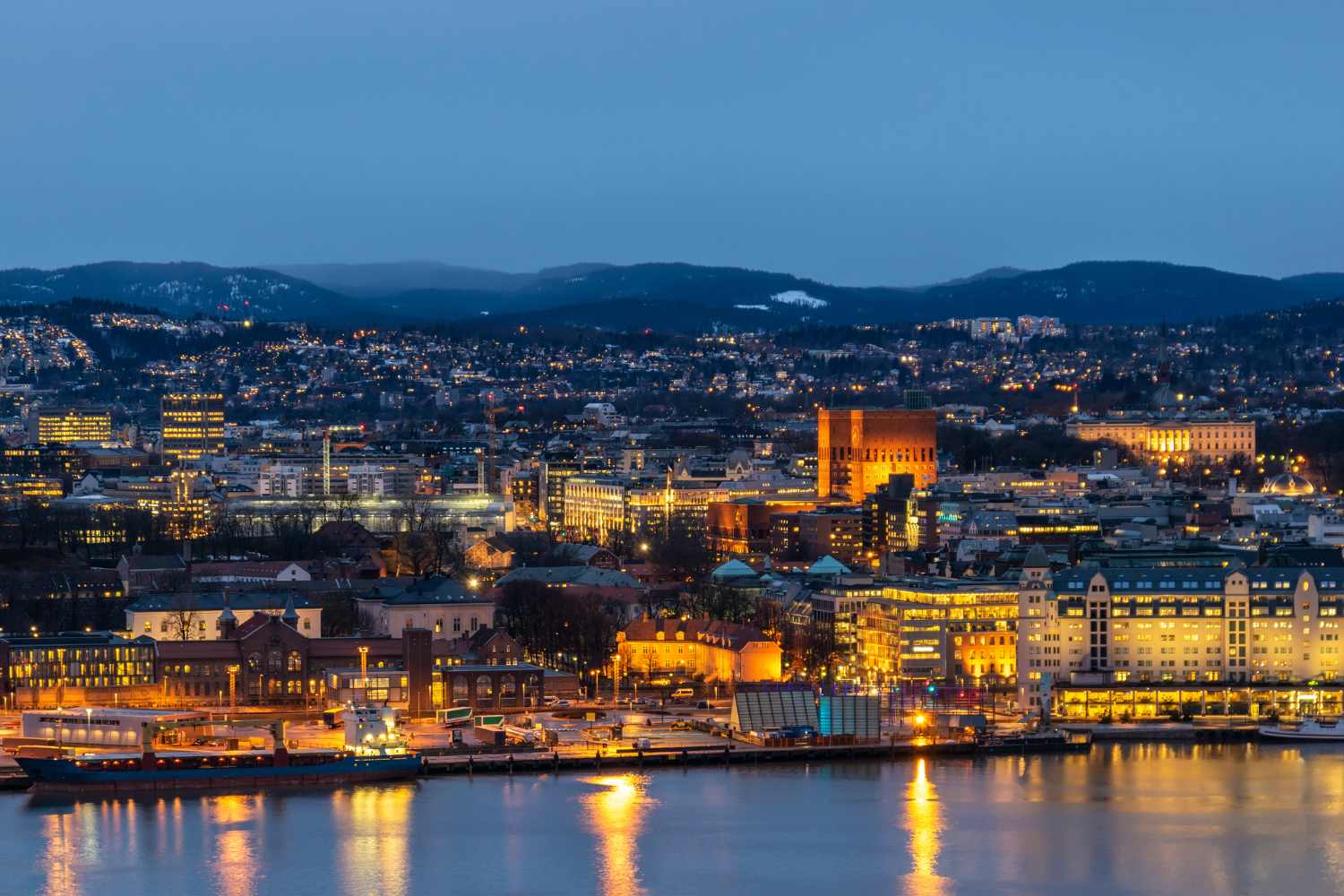
Oslo also embarked on a similar path. If once the port of Oslo represented a border between city and sea, today its waters are part of the daily life of the inhabitants.
With the decline of the shipbuilding industry, the city has decided to rethink its Waterfront through the Fjord City project, which has seen the transformation of old industrial spaces into parks, cycle paths and bathing areas. The reclamation requested patience and constancy, with various interventions to remove waste and pollutants, a commitment that involved institutions and volunteers ready to clean up the waters even in kayak or immersing themselves.
Since 2015, with the opening of Sorenga Sjobad, citizens have rediscovered the pleasure of a bathroom at sea without getting away from the center. Eight salted water lanes, a small sandy beach, showers and a tower for dives have restored a sea corner to the city at hand. In 2021, the birth of Operastranda, a 100 -meter beach near the work, made it even more evident that the sea became a meeting place.
Today Oslo hosts 14 saunas floats along the port, also attended in the winter months, a sign that the water has returned to being a common good to take care every day.
London, the Thames towards a bathing future
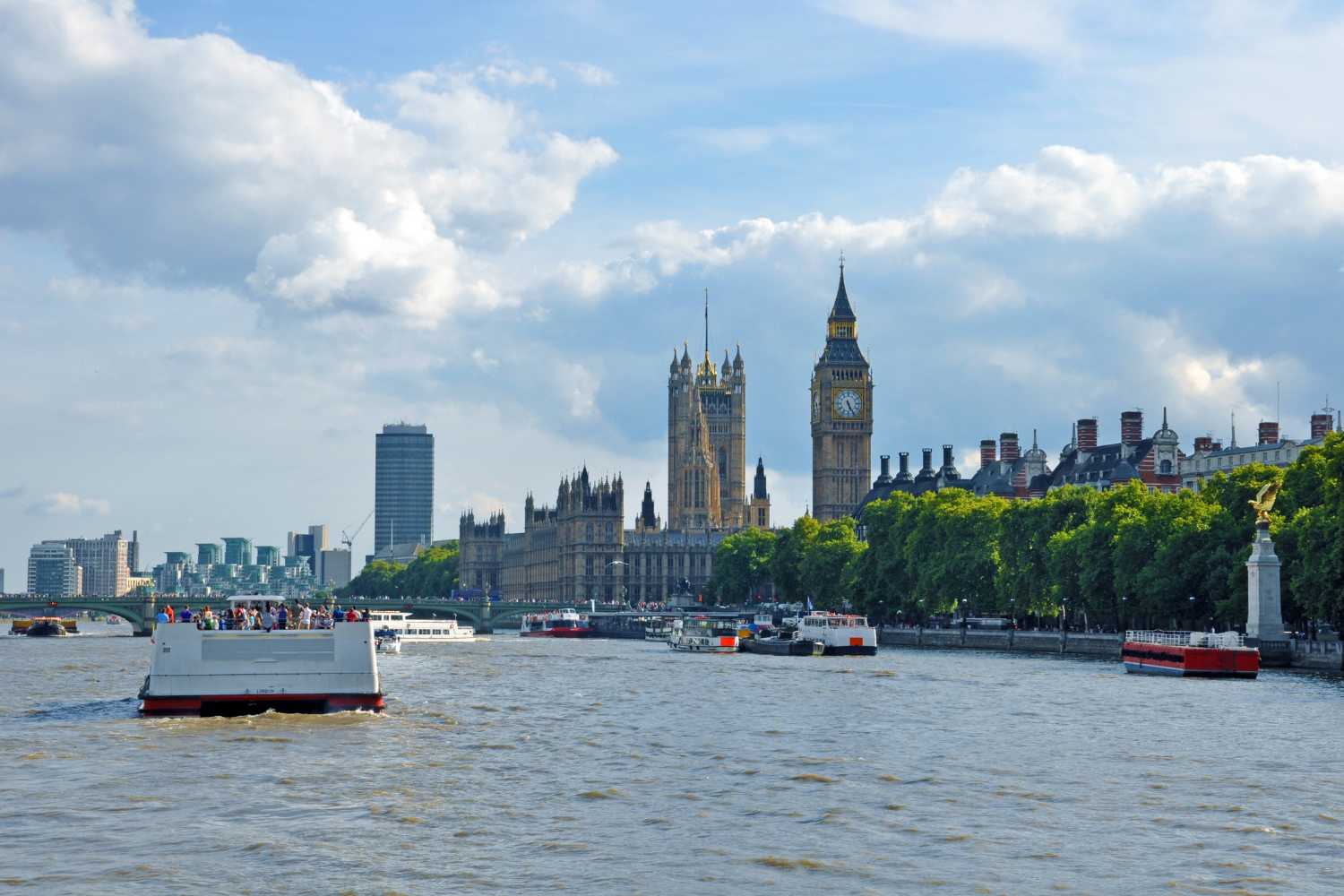
London observes and prepare the ground. Today 83% of the British rivers have high levels of pollution, even if the promise of the mayor Sadiq Khan to make the bathing tamis by 2034 ignites a light of hope. The culture of the “Wild Swimming” has deep roots in the English capital, where places like Hampsted Heath and Hyde Park’s Lido serpentine already offer swimming experiences in natural environments.
The Hampstead ponds, dug in the seventeenth century as water reserves, have transformed over time into informal bathing places, becoming an integral part of the London identity. Recently, the City of London Corporation has improved accessibility with new services and hot showers, making these spaces even more welcoming for a community that considers swimming part of its daily life.
Monaco, Isar returns to bathing
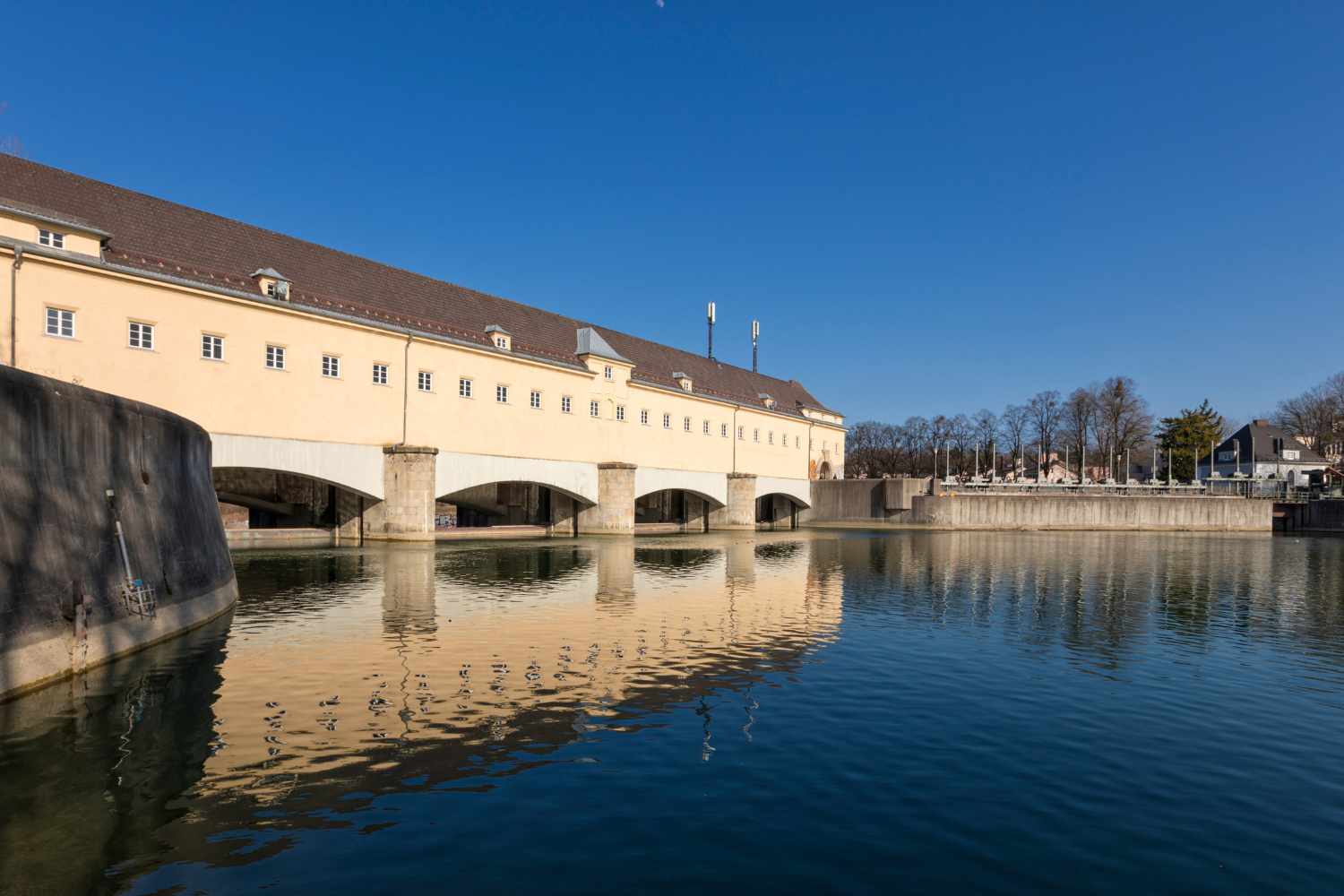
A quarter of a century ago, Monaco undertaken a project for the redevelopment of Isar, the river that crosses the city.
With an investment of 38 million dollars and a restoration that lasted eleven years, the German city has improved protection from floods and water quality, in order to return to the city a bathing stretch of eight kilometers.
In the summer, the gravelly banks of the Flaucher become a meeting place for barbecue and refreshing bathrooms, while those looking for tranquility can swim up to Weideninsel, an island formed during restoration works. There is no lack of space for the adventure: EISBACH, an artificial river that crosses the Englischer Garten, hosts a famous stationary wave on which surfers from all over the world try.
Basel, the Rhine as a shared urban space
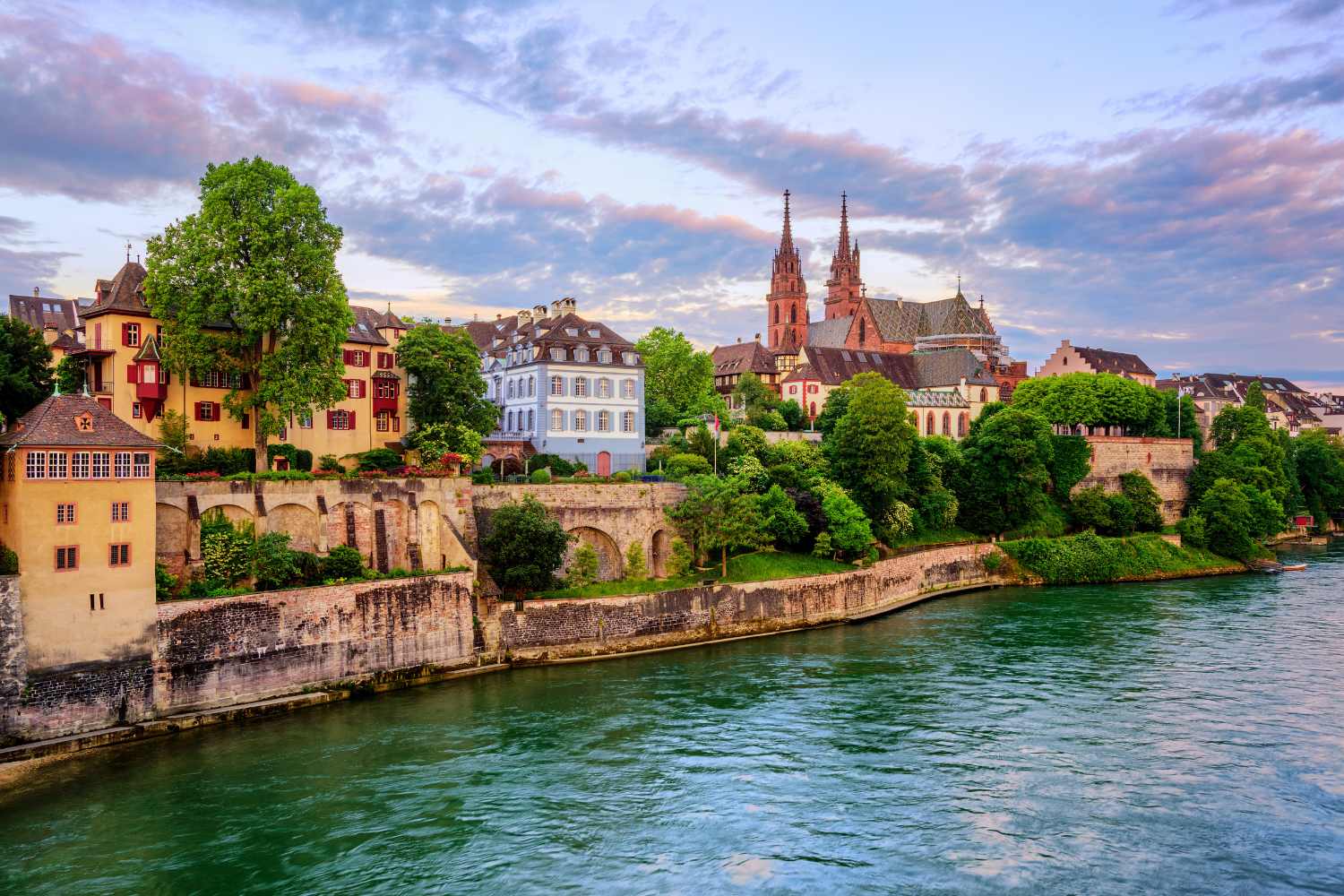
Basel represents a virtuous example of how an environmental disaster can turn into an opportunity for rebirth. After the escape of chemicals in 1986 that the Reno waters were tinged, Switzerland strengthened the sewage network and waste water treatment plants, transforming the Rhine into a safe space to swim.
Every year thousands of inhabitants immerse themselves in the waters of the river, transported by the current armed by Wickelfisch, the famous waterproof bags designed to encourage urban bathing. Structures such as the Rheinbad Breite offer changing rooms, showers and sundeck areas, while the kiosks along the banks need spritz and snacks in an informal atmosphere. Another example comes from the historian Rhybadhysli Santihans, a bathing establishment with a 24 -meter swimming pool, which continues to represent a point of reference for those who love to swim in the heart of the city.
