
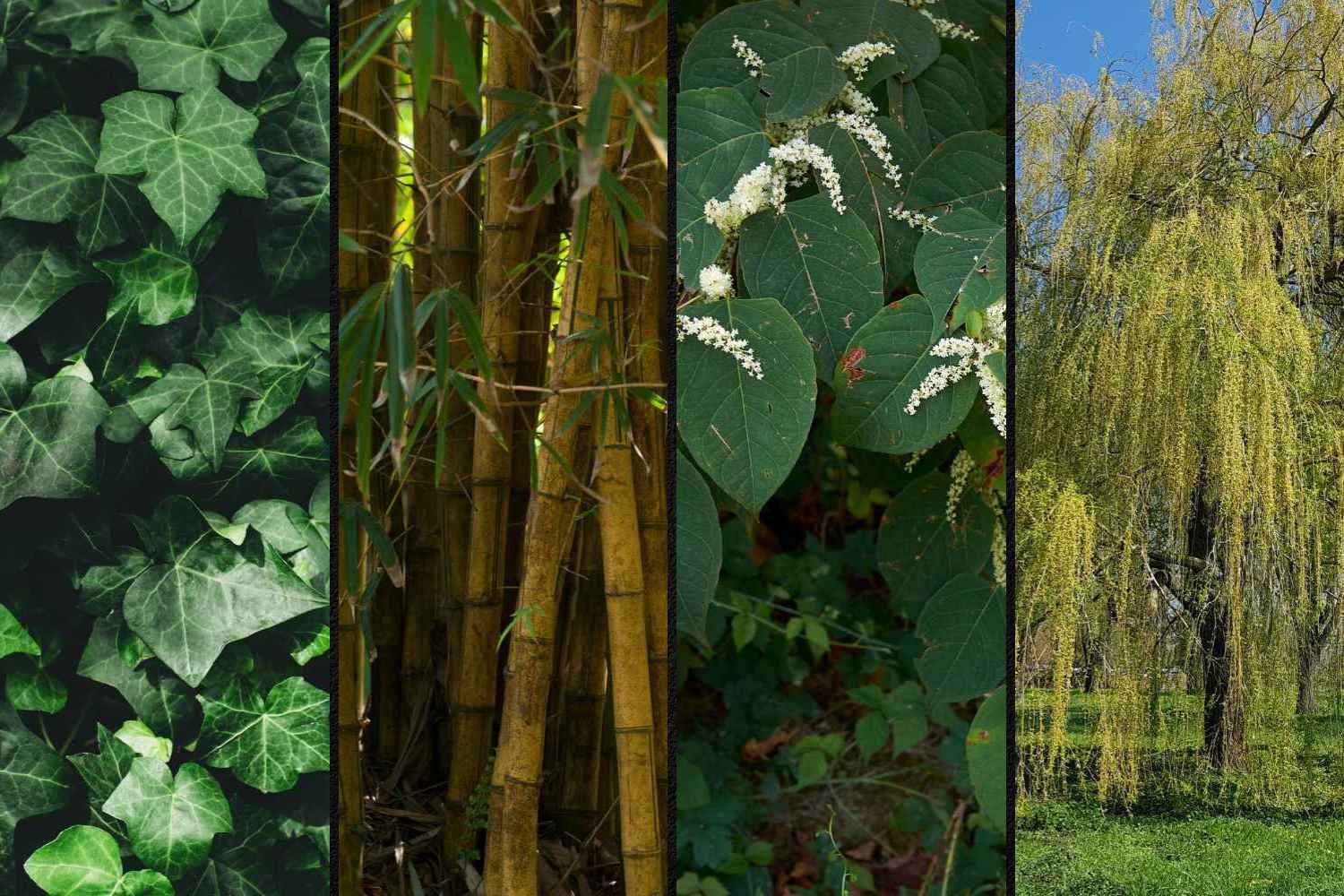
A well-kept garden strengthens the image of a home, creates a pleasant environment and offers a sense of order and harmony. In many cases it even becomes an element capable of increasing the value of a property. Some plant species, however, bring with them little-known risks, capable of compromising walls, floors and underground systems, seemingly harmless plants, which over time can cause costly damage and reduce the attractiveness of a home in the eyes of a potential buyer.
Many owners choose an ornamental climber or an evergreen shrub driven by the desire to give character to the garden, sometimes the idea of wanting to shield the neighbor’s view and create a shaded corner intervenes. The intent is legitimate, but lack of knowledge of the botanical characteristics can generate real disasters if the wrong plant is chosen: damaged pipes, raised floors and cracks on walls are all frequent situations, which in many cases depend precisely on the presence of “aggressive” species.
Below is an overview of four of the most problematic plants, with simple explanations, practical advice and safer alternatives.
English ivy: apparent charm, real risk
English ivy, Hedera elix, is often chosen to cover walls, pergolas and fences. This is common ivy, the one we can find practically everywhere, appreciated for its rapid growth and ability to adhere to surfaces, simple and elegant. The less obvious part, however, tells a different story, because the adventitious roots, those small structures that allow the plant to anchor itself, creep through tiny cracks and progressively expand there, and over the years, they will produce a pressure effect that could put mortar, bricks and plaster at risk.
The result can be a weakened masonry, with detachments and infiltrations that are difficult to ignore. Removing the plant takes time, because to completely eliminate the ivy it is necessary to manually remove each fragment and intervene on the roots still clinging to the surface. If you want to make a more prudent choice, go for less invasive climbers, such as clematis or roses, which will guarantee color and vitality without compromising the structure of the house.
Bamboo: effective screening, uncontainable roots
There are those who use it to create natural barriers, driven by the speed with which it grows and the ability to create privacy, forgetting the small problem that characterizes bamboo, i.e. one of the most expansive root systems, whose roots run underground for meters, widening their radius year after year. This splendid characteristic produces major inconveniences, such as lifting of floors, infiltrations in delicate points, damage to walls and courtyards.
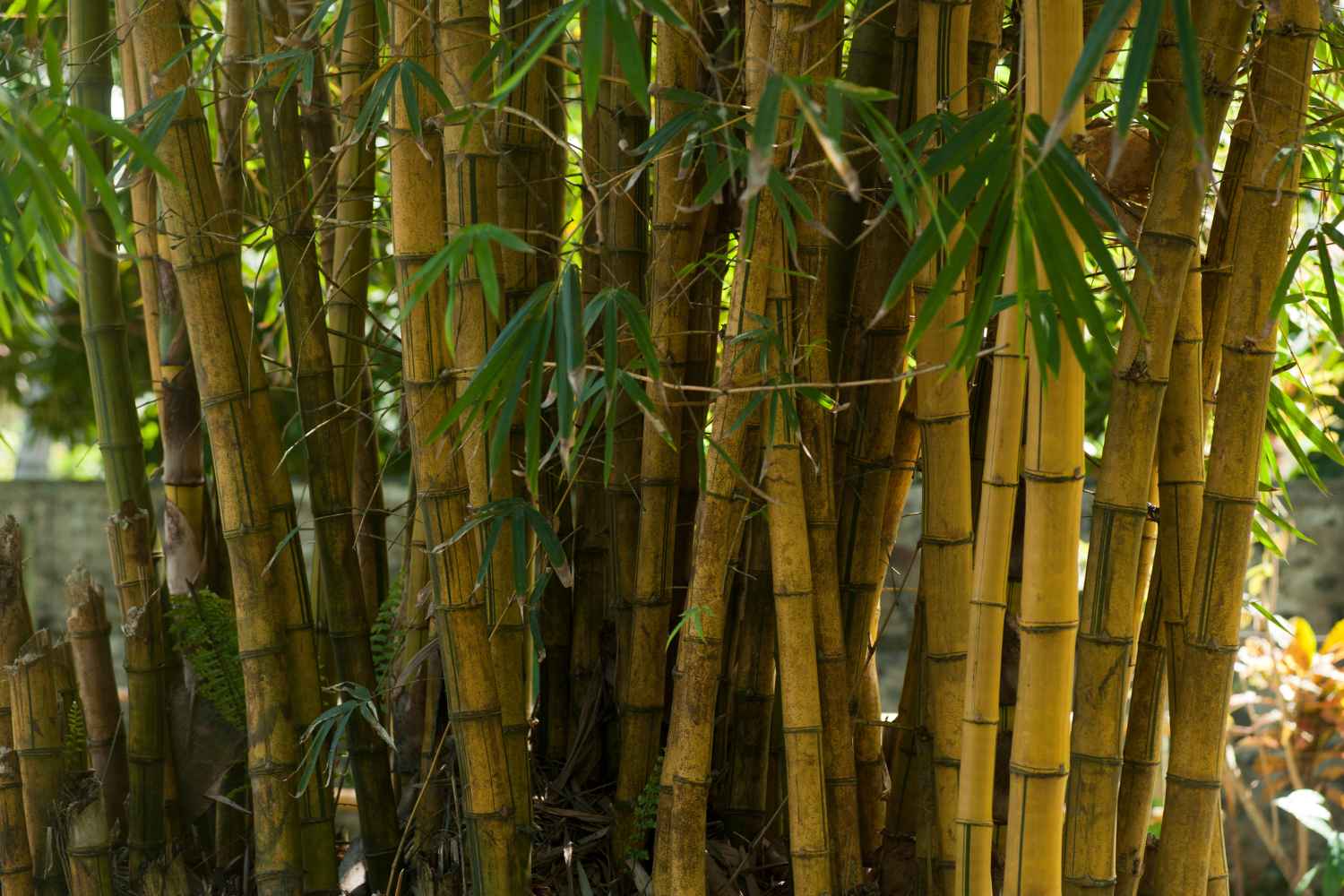
Anyone who has bamboo in their garden knows this well: plants that advance beyond the boundaries of the garden, penetrate paved areas and even get close to the foundations. Furthermore, removal is not at all simple, because even the smallest root fragments have the ability to regenerate. For this reason, the plant should be contained through the use of deep and resistant anti-root barriers, or replaced with less invasive species, such as some non-rhizomatous bamboos selected specifically to avoid problems of underground expansion.
Japanese knotweed: a presence capable of devaluing a house
Japanese knotweed, whose scientific name is Reynoutria japonicarepresents one of the most cited nightmares in the real estate sector. It is an extremely invasive plant, with robust roots and capable of crossing asphalt, small walls and drainage channels. Its rapid spread often ends up affecting the sale of a house. Some lenders classify infested properties as high risk, which makes negotiations complicated and discourages buyers and investors.
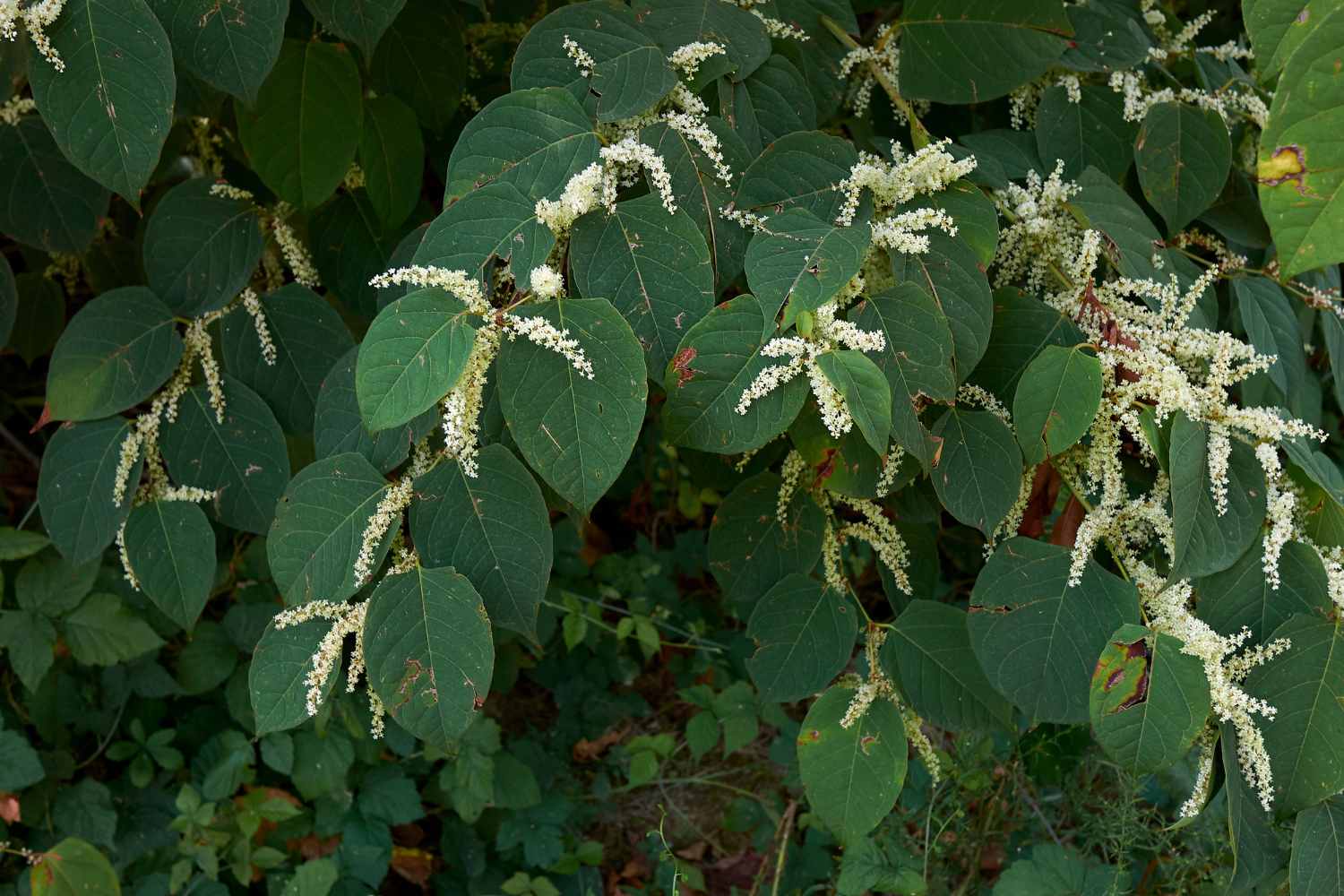
Intervening on an infestation requires long treatments, often spread over years, with costs that can vary based on the size of the affected area and reach high figures. For this reason it becomes essential to recognize the plant in the early stages and request timely professional intervention, given that prevention, as often happens, is the only way to avoid finding yourself with a problem that is much more difficult to manage.
Willow trees near homes: roots looking for water
The weeping willow, scientific name Salix babylonicais another great garden classic, highly sought after for its soft foliage and elegant posture. Often placed near homes to create shade or as an impactful ornamental element, it is one of those purely aesthetic choices that can prove truly counterproductive. The roots of the weeping willow, in fact, advance towards water sources and easily identify drains, wells and pipes, and once they have reached their objective, they enter the drainage systems and block them.
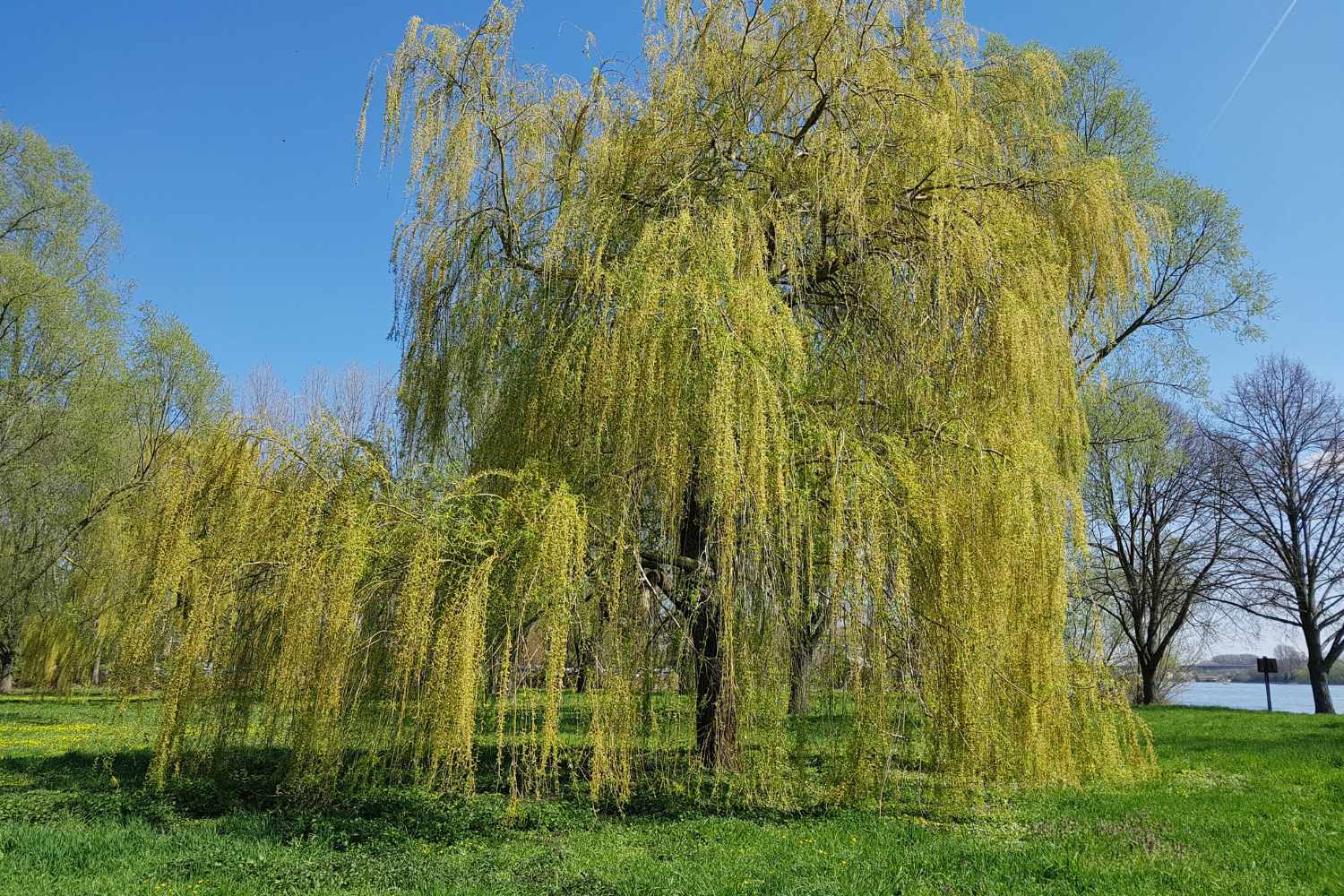
The roots can extend for considerable distances, up to three times the height of the plant, therefore, a ten meter willow can easily reach thirty meters of underground expansion, which is why it should always be placed at a great distance from buildings. To avoid the problem altogether, there are more controllable trees, such as maples, which offer elegance without compromising pipes and foundations.
