

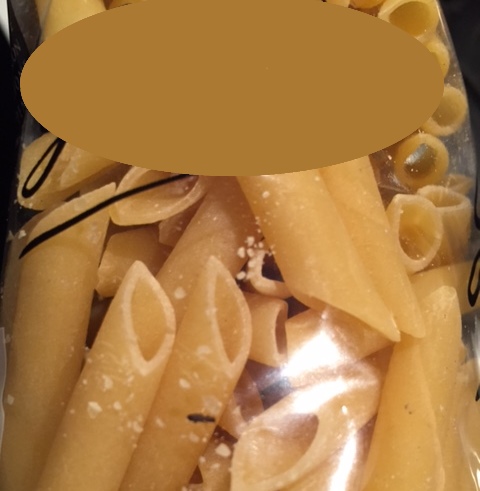
Open a pack of pasta and … surprise! Tiny brown dots have already conquered your pantry. It is not a horror movie scene, but from Italian cuisine: wheat groups are silent enemies that insinuate themselves into our foods without getting noticed … at least until it is too late.
They are small, very small, and dark brown in color. If you build a glimmer in a pack of pasta it is over. They are the ones who define themselves in jargon “bares of wheat” or “pasta” or, more generals, “of cereals” or still calandra. It is lo Sitophilus granariusa small insect that could live in our handouts, attacking, precisely, grain of cereals and derivatives. But how to eliminate the grain awl?
Other insects that infest the pantry
The groups are not the only unwanted guests. There are several other parasites that attach cereals, flours and pasta:
Recognizing the parasite helps to choose the most effective elimination method.
(READ ALSO: How to preserve our pitched and parasites pantry (tignole of flour)
How to recognize the bubbles of the wheat
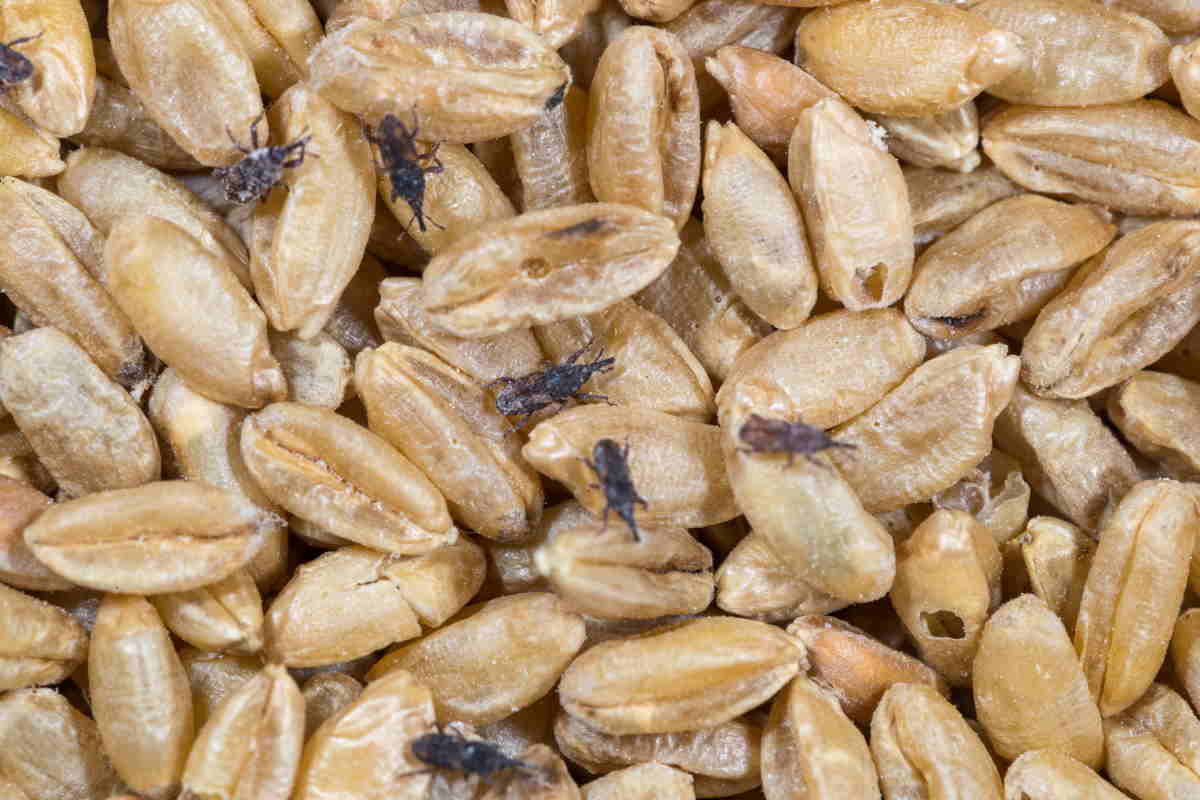
The grain awl is a small insect of the family Curculionidsmall of at most 5 millimeters. It is brown, it has a long rostrum, reddish and corner curved antennas and brown-red legs. It cannot fly but does several damage mostly on the carioxides of various cereals in warehouse (especially wheat, barley, corn and food pasta). And the larvae provokes them.
How does it do Sitophilus granarius To enter the envelope of our pasta? Well, know that, as long as the products in the pantry are not closely closed in the glass, you will never be safe. And so, the grain awl manages to pierce plastic, paper and fabric packaging. Only closed glass foods (tightly closed) are definitely less exposed. (READ ALSO: STRAWS Food: 5 Alternatives to the PVC transparent film)
The female of the grain awliding a hole in the cariosside, laying an egg for each seed. The oviderposition can last even a few months, during which more than 200 eggs are laid. After about an to two weeks from the deposition of the eggs, an Apoda larva comes out that lives by feeding on the delay starch until a month achieved.
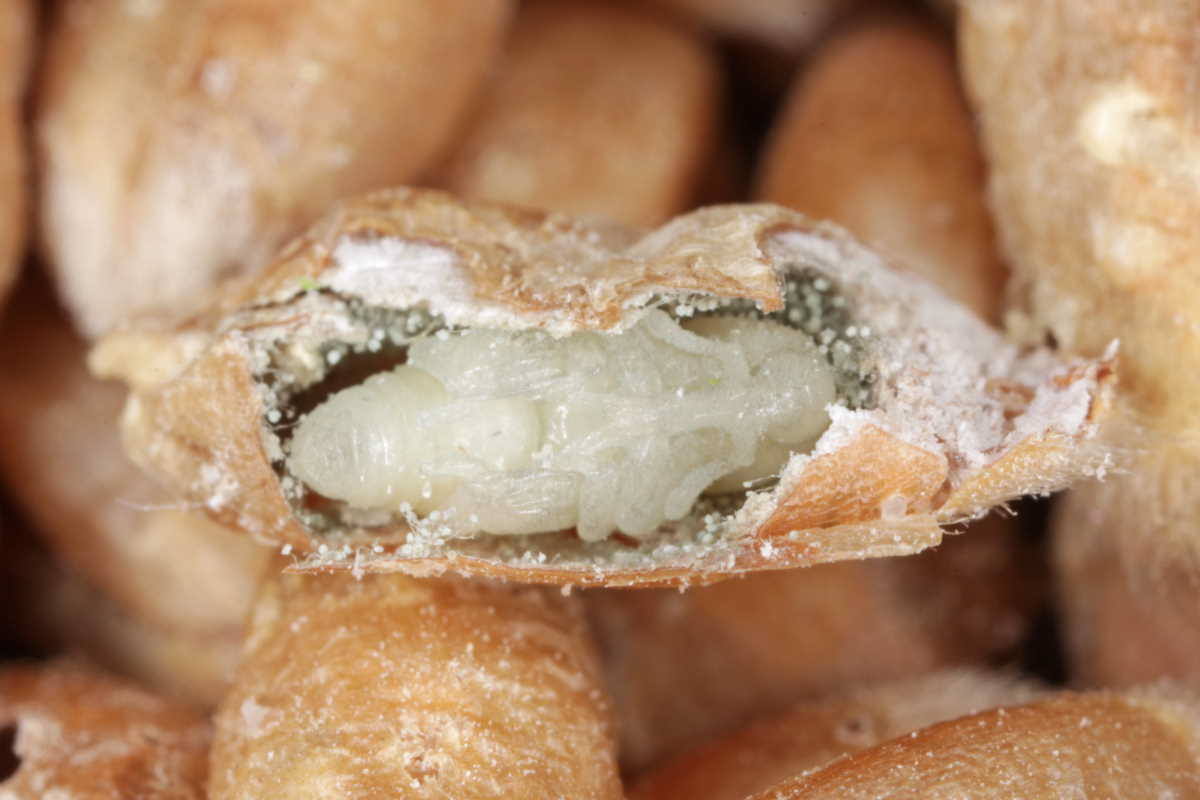
To maturity, the “evade” grain awl to mate and look for a new territory and new food.
Prevention and elimination of the grain awl
If food traps are used in the warehouses, bright traps with electric discharge, the capture of males or new more sophisticated conservation systems, at home in our little one how to do it?
Deep cleaning of the pantry
Start by literally inspecting everything in the pantry or in the furniture where you have foods. Clean inside them using a vacuum cleaner and then cleaning with hot water and white vinegar, then dry. In the water you could also add a few drops of mint essential oil, lemongrass or eucalyptus. If, while cleaning, some animal gets alive and you have used the vacuum cleaner, naturally change your bag and do not leave it in the waste.
Freeze foods to eliminate eggs and larvae
Check all the products before buying them, then, once at home, you could put them in a plastic bag and keep them in the freezer for a week to kill any eggs. In any case, consume everything that is subject to being devoured by these types of insects in a short time and purchased little by little.
Correct conservation to prevent infestations
The best food conservation method is glass, no bags of fabric and less than plastic. One last, natural, trick could be natural repellents such as clove or bay leaves that are repellents for insects, or black pepper bags.
Other remedies could also be interested in moving away:
