
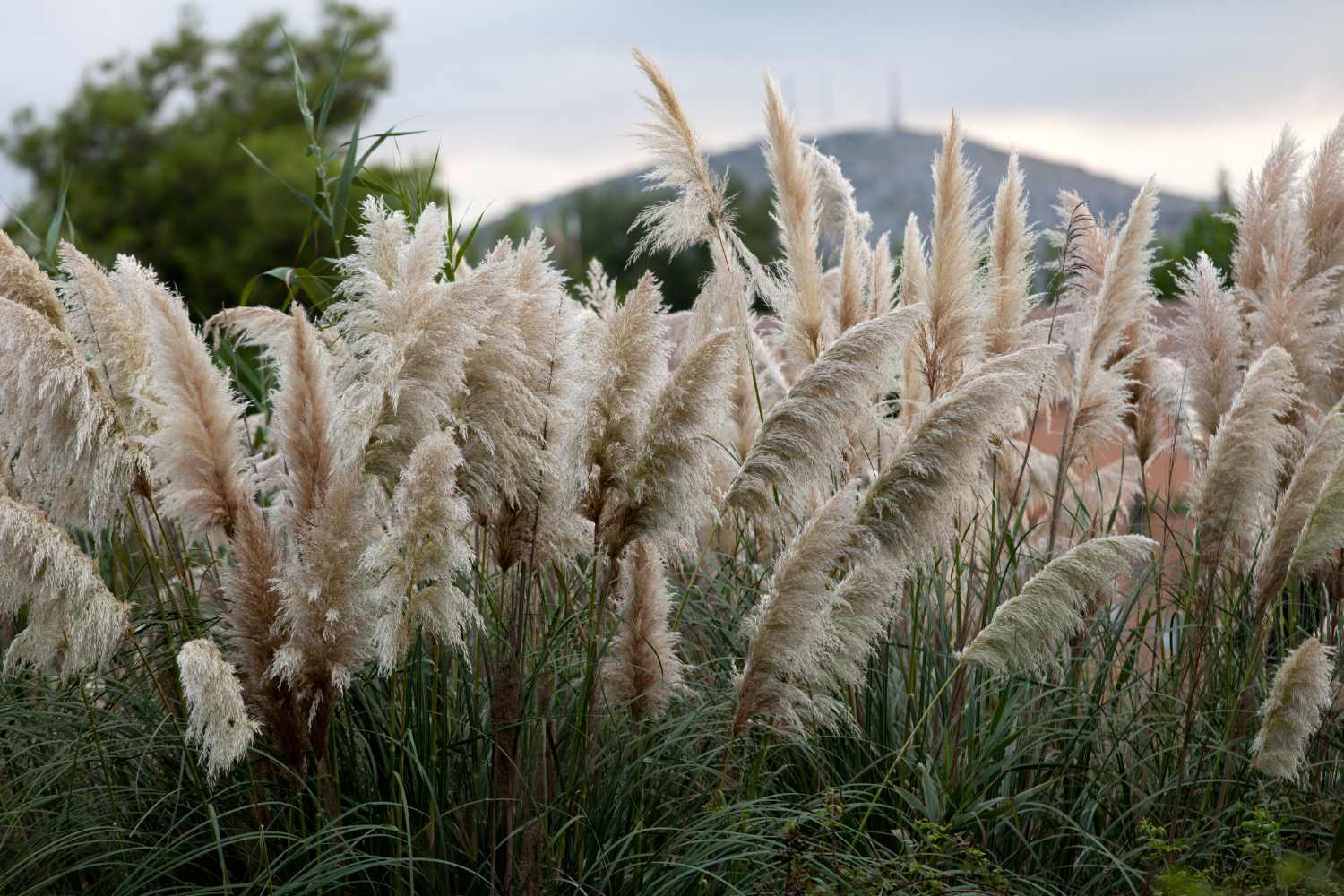
Someone loves her for its scenographic bearing, there are those who choose it to decorate the garden, those who photograph it during a sunset. We are talking about the Selloanan Cortoderiaplant belonging to the family of Poaceous (better known as Graminaceae) and known to most with the name of Pampas grass – the wording “Piuma della Pampa” also widespread – which over time has conquered rotating, flower beds, road edges and urban green spaces. The problem lies in the fact that under the fluffy and silver feathes there is a very poetic reality.
A beauty imported lightly
Originally of theSouthern Americain particular of the vast region of the Pampa from which it takes its name, the Selloan Cortoderia arrived in Europe in the eighteenth century. Reason? The ornamental aspect, as mentioned above very scenographic: up to four meters high, with nastriform leaves and cream inflorescences cream and silver, was chosen to embellish parks, public and private gardens.
A charm paid at a high price, since The plant has spread quickly, too much, and today it is considered invasive in many countriesfrom New Zealand to Hawaii, from Portugal to France, to Italy, and the reason is simple: it has the ability to monopolize the territory.
Each plant can produce millions of seeds, light like dust, which the wind transports for kilometers, and can easily colonize dunes, meadows, uncultivated land, roads of the roads. Where comes, the pampas grass takes oversuffocates the native species, alters ecosystems and transforms landscapes rich in biodiversity into monotonous and sad vegetable deserts.
In March 2023, in France, it was officially included in the list of invasive exotic species (IAS). You cannot sell, plant, let alone possess. Those who have it in the garden are not forced to remove it, but … it is strongly recommended to do it. Also in Italy it is considered an invasive and therefore prohibited exotic species. Those who cultivate it/sells is liable according to Legislative Decree. 230/2017 which implements the EU Reg. “Criminal and administrative sanctions, calibrated on the basis of the severity of violations”, that is, arrest up to 2 years and a fine from 10 thousand to 150 thousand euros; Those who hinder controls and eradication measures are subject to arrest up to 3 months and a fine from 150 to 3 thousand euros
An alien plant that brings problems
We talked about the negative impact of the plant, now let’s see in detail what are the problems related to this plant
Allergies? They worsen. And they last longer

When dealing with the pampas grass it is not just the environment that suffers the damage. People’s health is also put to the test by this plant: Polline is among the most allergenic ever And male plants produce impressive quantities, millions of granules capable of causing gusts of sneezing, red eyes and respiratory crises.
Who suffers from Allergies to the graminaceae – In Italy there is talk of over one fifth of the population – he sees his allergic season of two, sometimes three months. And the fact that pollen can travel for several kilometers makes the question even more serious.
The decorative plumage, therefore, is not as harmless as it appears.
A perfect refuge for snakes
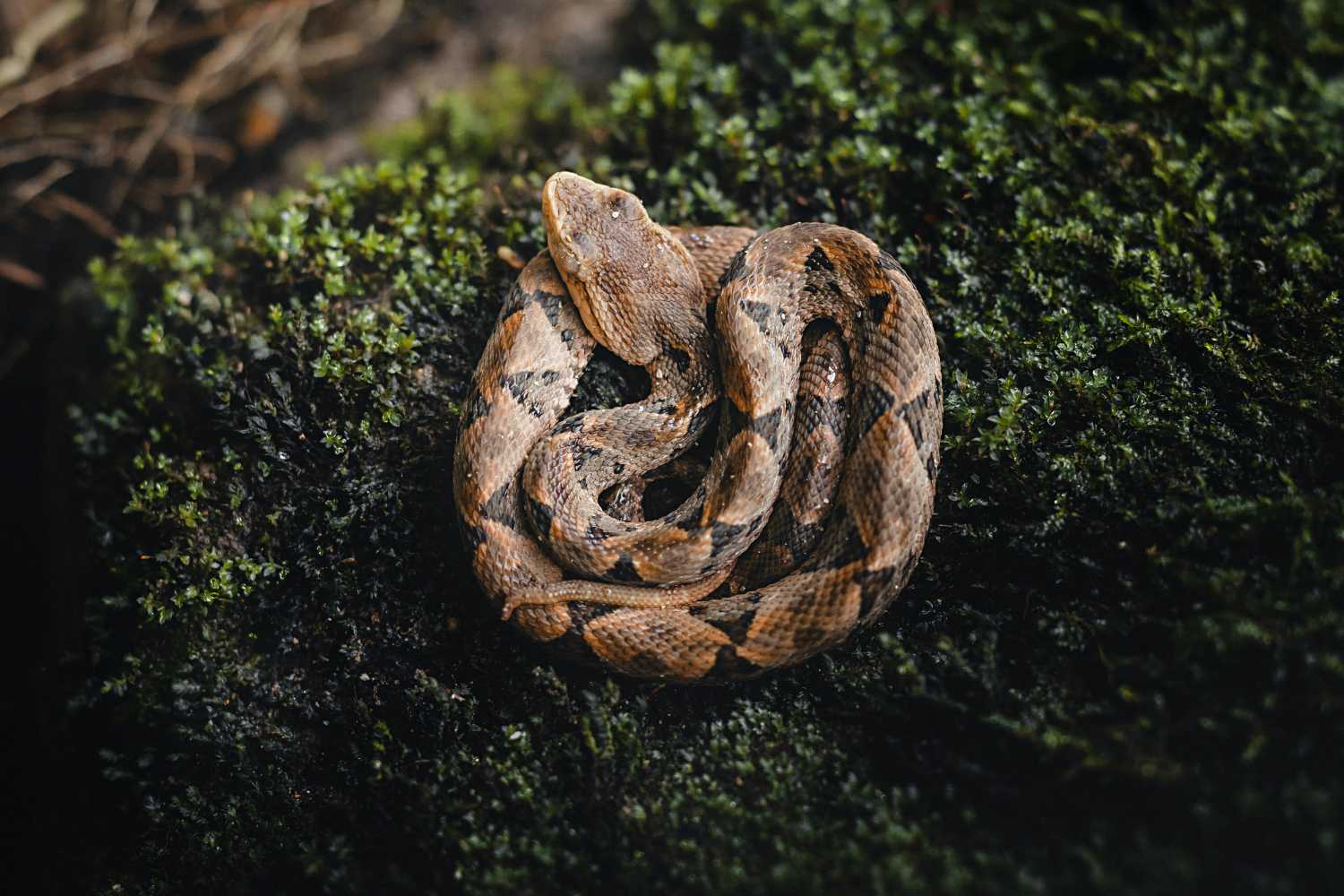
Another side effect, perhaps less known but equally unwelcome, concerns fauna. The thick bush of the pampas grass, dense and impenetrable, is in fact The ideal habitat for reptiles such as snakeswhich among its long and sharp leaves find fresh, protection and quiet.
Some gardeners say they have found whole hidden nests at the base of the plant, others have had close encounters that are anything but pleasant during pruning works. Personally, the idea of sharing the garden with a snake – even small – does not excite myself at all.
Impossible to control
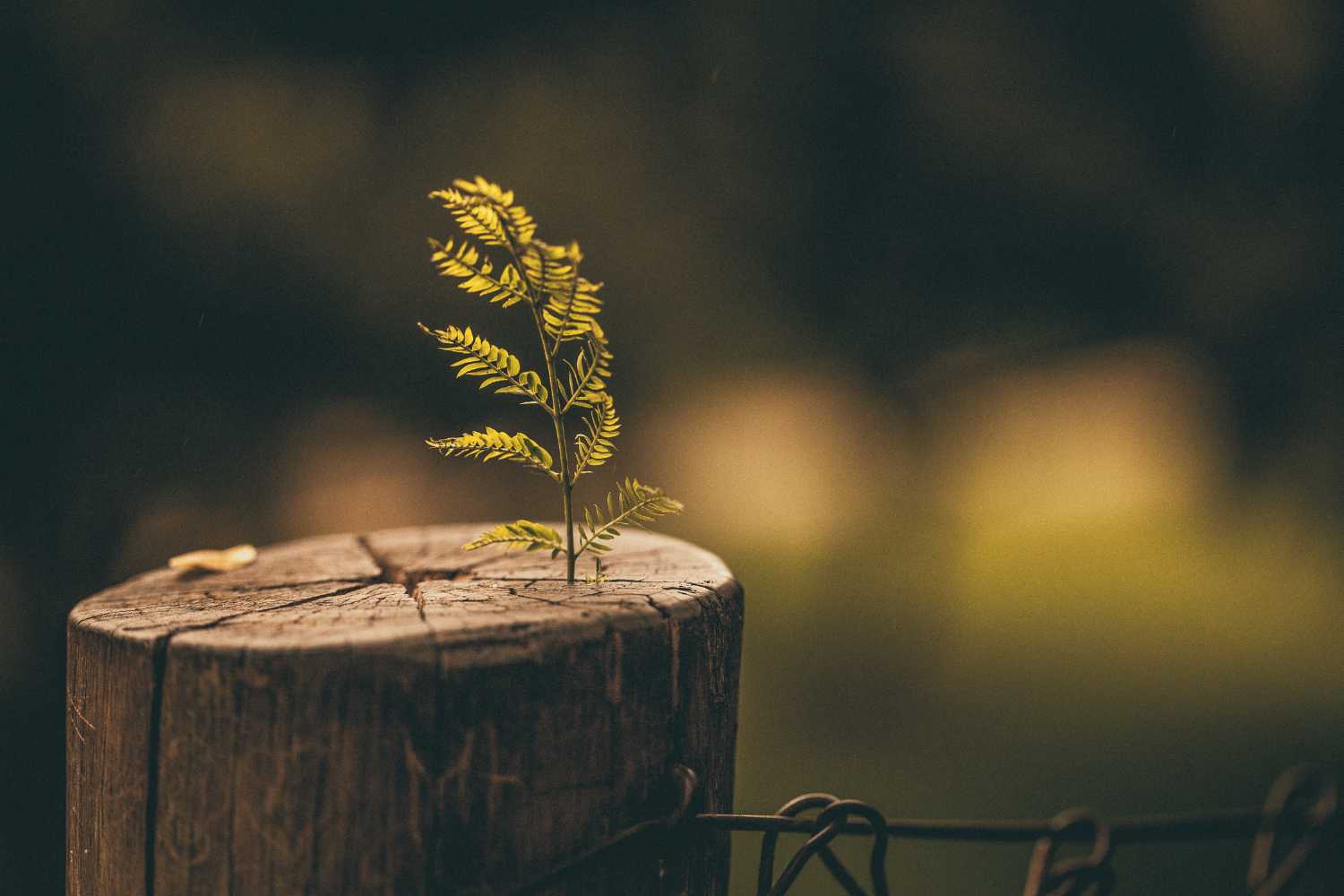
What if one decides to eliminate it? It is not easy, because the pampas grass is obstinate. The leaves are sharp as razors – and it is from there that the name “Cortaderia” derives, from the Spanish verb Cortar, that is, cut – and the roots penetrate deeply, anchoring firmly to the ground.
Remove the plant is not an operation that can be improvised, it requires specific tools, physical strength and attention. . It is a real survivor: once installed, it is difficult to make them change address.
An extra risk: fires
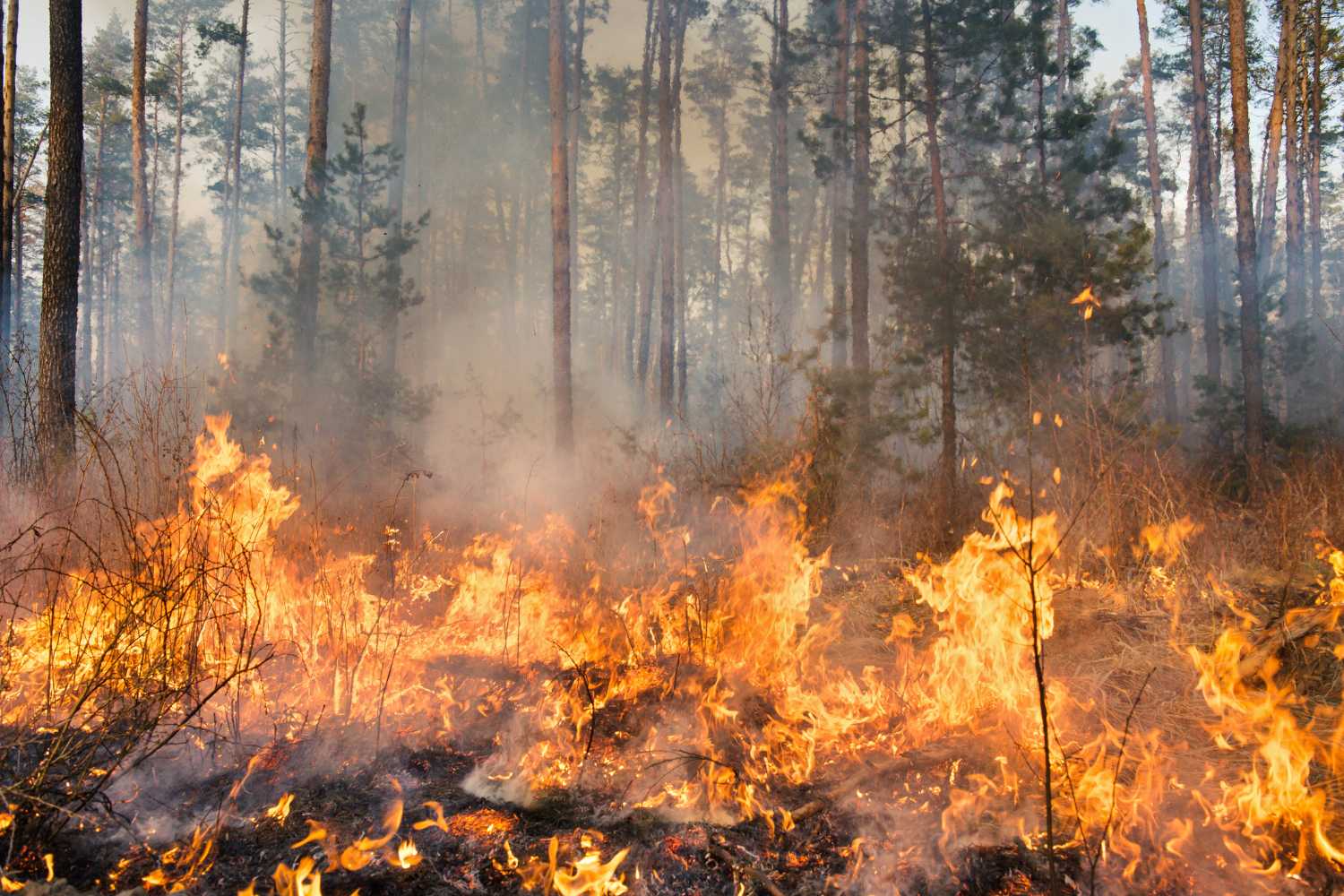
The dry leaveslarge and fibrous, represent further danger. They burn easily and can power the risk of fireespecially if the plant is located near flammable materials or in dry areas. We are talking about an often neglected detail, but which in urban and periurban contexts can make a difference.
Those who have a garden and live in areas subject to forest fires would do well to think twice before welcoming this plant in their own green space.
How to get rid of it?
If you have already planted the pampas grass, or you inherited it together with the garden, do not panic, it will be enough for a little determination. Here are some practical tips:
A change of gaze
After all, that of the pampas grass is The perfect example of how aesthetics are not enough to guarantee the value of a plant. It’s a bit like falling in love at first sight … and then finding out that a difficult character is hidden behind charm.
Today many municipalities have already started to eliminate it and slowly even private individuals are changing broken, because Protecting biodiversity is a concrete responsibilitywhich also begins with apparently small choices like this.
Beauty, yes, has its place, but without balance it becomes a problem, and perhaps, when it comes to nature, it would be better to focus on consistency rather than on the notorious “wow” effect.
