

What to eat for breakfast when you are on a diet
Eating breakfast is important at all ages and this meal should be as healthy and well-balanced as possible. Even more so if you intend to lose weight: you should never underestimate the importance of a proper breakfast to start the day in the best possible way and not arrive too hungry at lunch (a small mid-morning snack is always recommended).
It is the first meal after an overnight fast, when the body needs new energy to face the day. Remember to give it the right amount of time: eating in a hurry and without chewing is not good for you.
Sweet breakfasts
Tea, plain yogurt and fresh fruit
Tea, both black and green, promotes metabolism and helps you lose weight, and is rich in antioxidants. You can start the day with this drink combined with sugar-free plain yogurt (also in the soy version), enriched with fresh seasonal fruit and a handful of whole grains.
Indicative quantities: 150–200 g of plain yogurt, 100–150 g of fresh fruit, 20–30 g of whole grains, 1 cup of tea.
Kefir with fruits and seeds
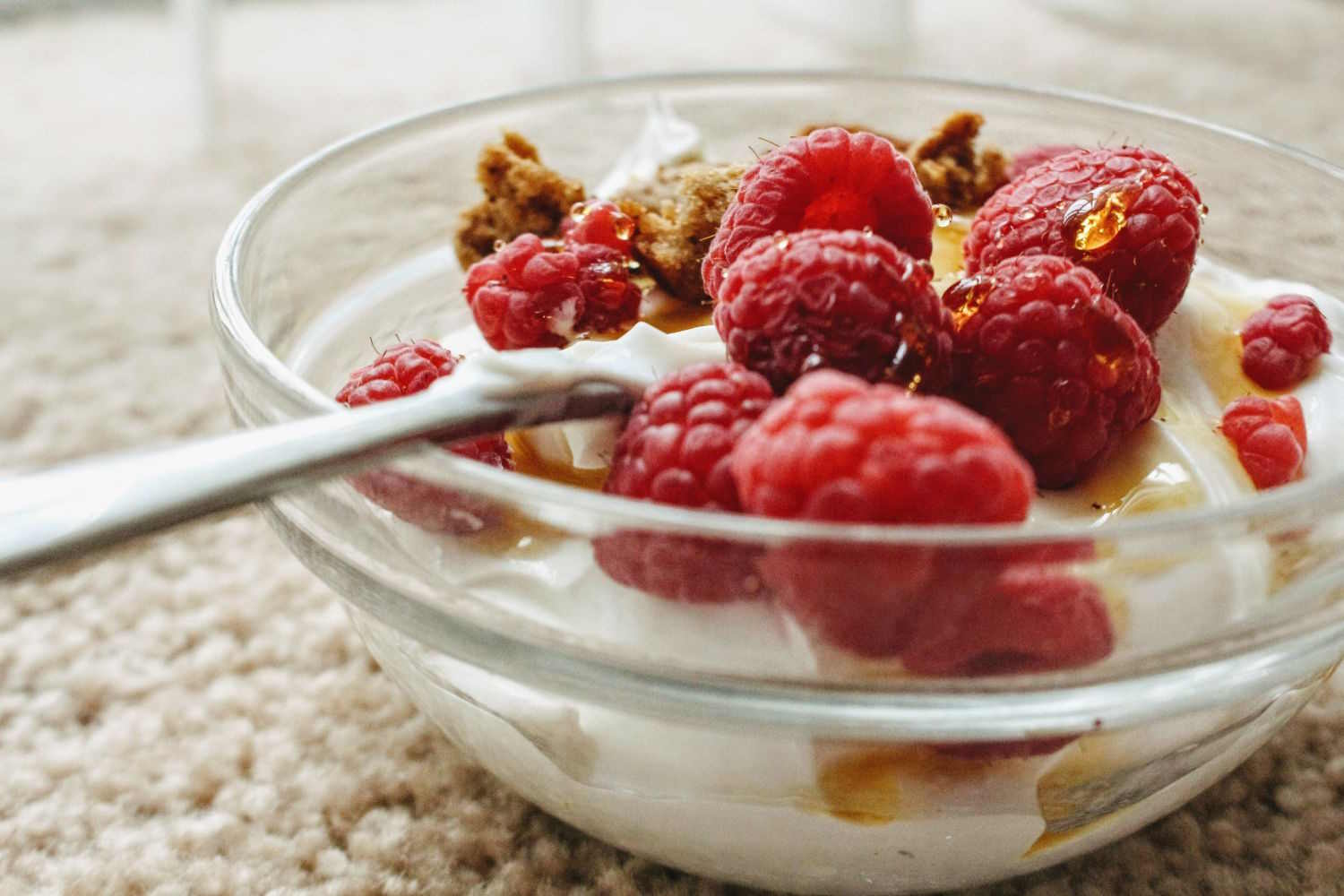
An excellent alternative to yogurt is kefir, a fermented drink with a significantly higher probiotic content. Thanks to its richness in live lactic ferments, kefir supports intestinal health, improves digestion and contributes to the feeling of satiety. It can be consumed plain or enriched with fresh seasonal fruit, a handful of chia or flax seeds and some walnuts. Also excellent in the coconut kefir version for those who follow a plant-based diet.
Indicative quantities: 150–200 ml kefir, 100 g fresh fruit, 1 tablespoon chia or flax seeds, 15–20 g walnuts.
Porridge with oat flakes

Oats are a great cereal to start the day. With the flakes you can make a tasty porridge, a nutritious and low-calorie soup to enrich with seasonal fruit. To prepare it you need milk: we recommend the classic one or a protein variant such as soy drinks or those based on dried fruit.
Indicative quantities: 50–60 g of oat flakes, 200–250 ml of milk (cow or vegetable), 100 g of fresh fruit, 1 teaspoon of honey (optional).
Smoothie bowl

The smoothie bowl is a very popular and popular breakfast, perfect for those who want something nutritious, colorful and easily customizable. It is prepared by blending frozen fruit (banana, mango, berries) until obtaining a thick cream, to be poured into a bowl and enriched with toppings of your choice: granola, fresh fruit, chia seeds, grated coconut or dried fruit butter. It is visually inviting, satiating and also suitable for those following a plant-based diet.
Indicative quantities: 150–200 g of frozen fruit, 50–80 ml of vegetable milk, 20–30 g of granola, 1 tablespoon of chia seeds, fresh fruit to taste.
Banana protein pancakes

Soft, tasty and ready in just 5 minutes, these protein pancakes are perfect for starting the day with energy and without guilt. The ripe banana gives a naturally sweet flavor, while the oat flour and egg white make them a concentrate of slow-release proteins and carbohydrates. Without added sugars and with simple ingredients, they are ideal for those who follow a healthy diet, for athletes and for those who want a long-lasting breakfast.
Ingredients for 1 large or 4 small pancakes: 100 g of egg whites, 25 g of oat flour, 1 medium banana, cinnamon (optional), a drizzle of oil to grease the pan.
In a bowl combine egg whites, oat flour and half a banana, blend everything with the blender until you obtain a smooth mixture and add cinnamon to taste. Heat a non-stick pan over medium heat, lightly grease it and remove excess oil with absorbent paper. Pour a ladle of dough, distribute it in a circle and cook 2-3 minutes per side, until it becomes golden. Before serving, decorate with the remaining banana slices and accompany with maple syrup, peanut butter or jam.
Storing the dough: if you want to prepare it in advance, transfer it to an airtight container and store it in the refrigerator for a maximum of 24 hours. Add a few drops of lemon juice to slow down the oxidation of the banana. Before using, stir gently as the ingredients may have separated.
Quinoa pancakes
Those who want a more original variant can try protein pancakes made with quinoa cooked without salt. They can be enriched with maple syrup, a teaspoon of jam, seasonal fruit or low-fat cheese. Here is the complete recipe.
Indicative quantities: 80g cooked quinoa, 1 egg, 20g wholemeal flour, fruit or syrup to garnish.
Ricotta with honey and walnuts

A simple, protein-rich and satisfying breakfast for those who don’t want to give up a sweet note. Ricotta is light but rich in protein, and combined with a teaspoon of raw honey and a handful of nuts it becomes a balanced meal, with low glycemic index carbohydrates, good fats and a good amount of protein. It can be enriched with fresh seasonal fruit or a pinch of cinnamon.
Indicative quantities: 150 g of ricotta (vaccine or sheep’s milk), 1 teaspoon of raw honey, 20–25 g of nuts, fresh fruit to taste.
Alternatively you can put 30g of ricotta on a 40g slice of wholemeal bread and add 10g of peanut butter and a teaspoon of jam.
Homemade granola with full fat yogurt
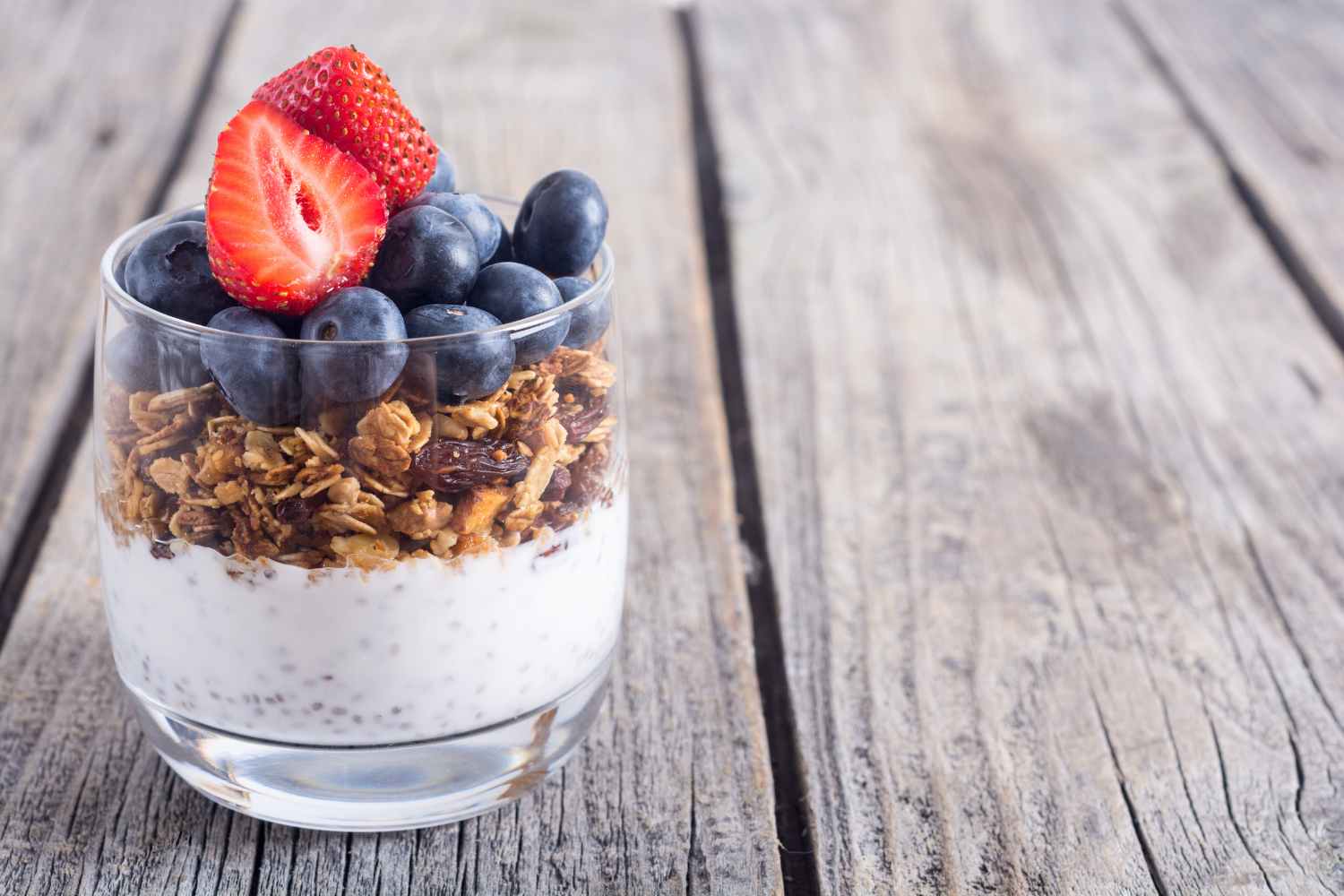
A classic breakfast, complete and simple to prepare: homemade muesli (with cereal flakes, dried fruit, dark chocolate) to combine with whole yoghurt (including soy) and fresh seasonal fruit.
Indicative quantities: 40–50 g of muesli, 150 g of whole yogurt, 80–100 g of fresh fruit.
Budwig cream

Budwig cream is a healthy and complete breakfast from a nutritional point of view, prepared with oil seeds (pumpkin, sunflower, walnuts, almonds, hazelnuts), flaxseed oil, raw and freshly ground whole grains, fresh fruit and yoghurt, ricotta or tofu for vegans. It provides slow-release carbohydrates and is able to keep the feeling of hunger at bay until lunch. It pairs well with a cup of green tea.
Indicative quantities: 1 tablespoon of linseed oil, 2 tablespoons of mixed seeds, 30 g of raw whole grains, 100 g of yogurt or cottage cheese, 100–150 g of fresh fruit.
Miam-ô-fruit
Similar to Budwig cream, it is prepared with fresh and dried fruit, various seeds, lemon juice, linseed and sesame oil. Particularly energizing, this breakfast is very filling and helps reduce your waistline. For best results it is important to combine it with an overall balanced diet.
Indicative quantities: 150 g of fresh fruit, 20 g of dried fruit, 1 tablespoon of linseed oil, 1 tablespoon of sesame oil, juice of half a lemon.
https://www.instagram.com/reels/DHvSE6NMc3E/
Banana bread with fruit and vegetable extract

With well-ripe bananas you can make this perfect breakfast dessert, to be combined with a seasonal fruit and vegetable extract or a cup of green tea. Here is the complete recipe.
Indicative quantities: 1–2 slices of banana bread (approx. 60–80 g), 1 glass of fresh extract.
Savory breakfasts
Eggs in various shapes

Eggs are one of the most complete and versatile protein sources for breakfast. Whether scrambled, soft-boiled or poached, they provide high-quality proteins, good fats and essential micronutrients such as choline and vitamin D. One or two eggs at breakfast help keep you feeling full for a long time and reduce the glycemic peak compared to a breakfast based on simple carbohydrates. They pair well with toasted wholemeal bread, sautéed vegetables or avocado.
Indicative quantities: 1–2 eggs, 1 slice of wholemeal bread (about 40 g), vegetables to taste.
Wholemeal bread with chickpea hummus

An excellent option for those who love a savory breakfast: wholemeal bread (better if homemade with sourdough) with chickpea hummus, which can also be easily prepared at home. Rich in fibre, vegetable proteins and good fats, it is a complete meal that keeps hunger at bay until lunch.
Indicative quantities: 1–2 slices of wholemeal bread (50–80 g), 3–4 tablespoons of hummus (approximately 80–100 g).
Toast with peanut butter, hazelnuts or almonds

Another alternative for a savory breakfast is toast with peanut butter (we recommend the one made from 100% organically grown peanuts), hazelnut, walnut or almond butter. Wholemeal bread together with proteins and good fats from dried fruit make this breakfast a complete and satiating meal.
Indicative quantities: 1–2 slices of toasted wholemeal bread (50–80 g), 1–2 tablespoons of nut butter (about 30 g).
Avocado toast

Those who love avocado can make this original toast to enrich with tomatoes, cucumbers or other vegetables. It is always better to choose a naturally leavened wholemeal bread.
Indicative quantities: 1 slice of wholemeal bread (40–50 g), ½ ripe avocado, fresh vegetables to taste, lemon juice, salt and pepper.
Breakfast drinks
Often underestimated, the choice of morning drink can make a real difference in a balanced diet. Some drinks support your metabolism, others provide proteins or antioxidants, and others are simply a pleasant and healthy way to hydrate after an overnight fast.
Green tea and black tea
Among the most recommended drinks for breakfast when you are on a diet. Both are rich in antioxidants (especially the catechins in green tea) and contain caffeine in moderate amounts, which helps boost metabolism and concentration. Green tea is particularly appreciated for its draining properties. Better to consume them without sugar or with a maximum of a teaspoon of raw honey.
Coffee
Coffee is the morning drink par excellence in Italy. Consumed without sugar, it provides zero calories and has a stimulating effect on the metabolism. It is rich in antioxidants and, if you do not exaggerate with the quantities (1–2 cups a day), it does not cause problems. To be avoided in excess and preferably not accompanied by high quantities of simple sugars.
Hot water with lemon
A morning classic for those who want to start the day in a purifying way. The juice of half a lemon in hot (not boiling) water helps digestion, stimulates the liver and provides a small dose of vitamin C. It doesn’t have miraculous properties, but it is a healthy and hydrating habit, especially for those who don’t like tea or coffee.
Herbal teas and infusions
For those who prefer to avoid caffeine, herbal teas are an excellent alternative. Those based on ginger and lemon are purifying and digestive; those with lemon balm or chamomile have a relaxing effect but may be less suitable if you want to leave recharged in the morning; those with fennel are useful against swelling. Consumed without sugar, herbal teas are practically calorie-free.
Vegetable drinks: soy, oats, almond, rice and coconut
Vegetable drinks are now widespread and represent a valid alternative to cow’s milk, both for those who are lactose intolerant and for those who follow a vegan diet or simply want to vary. Here are the main differences:
Advise: always choose versions without added sugars and, if possible, enriched with calcium and vitamin D.
Fresh juices and extracts
Industrial juices, even those “with no added sugar”, often contain high quantities of concentrated natural sugars and lack the fibers of the whole fruit. Much better to prefer a homemade extract with seasonal fruit and vegetables (carrot, apple, ginger, beetroot, cucumber) or a centrifuged one, which maintains a higher proportion of fibre. To be consumed fresh and not as a replacement for whole fruit, but as a complement to breakfast.
