
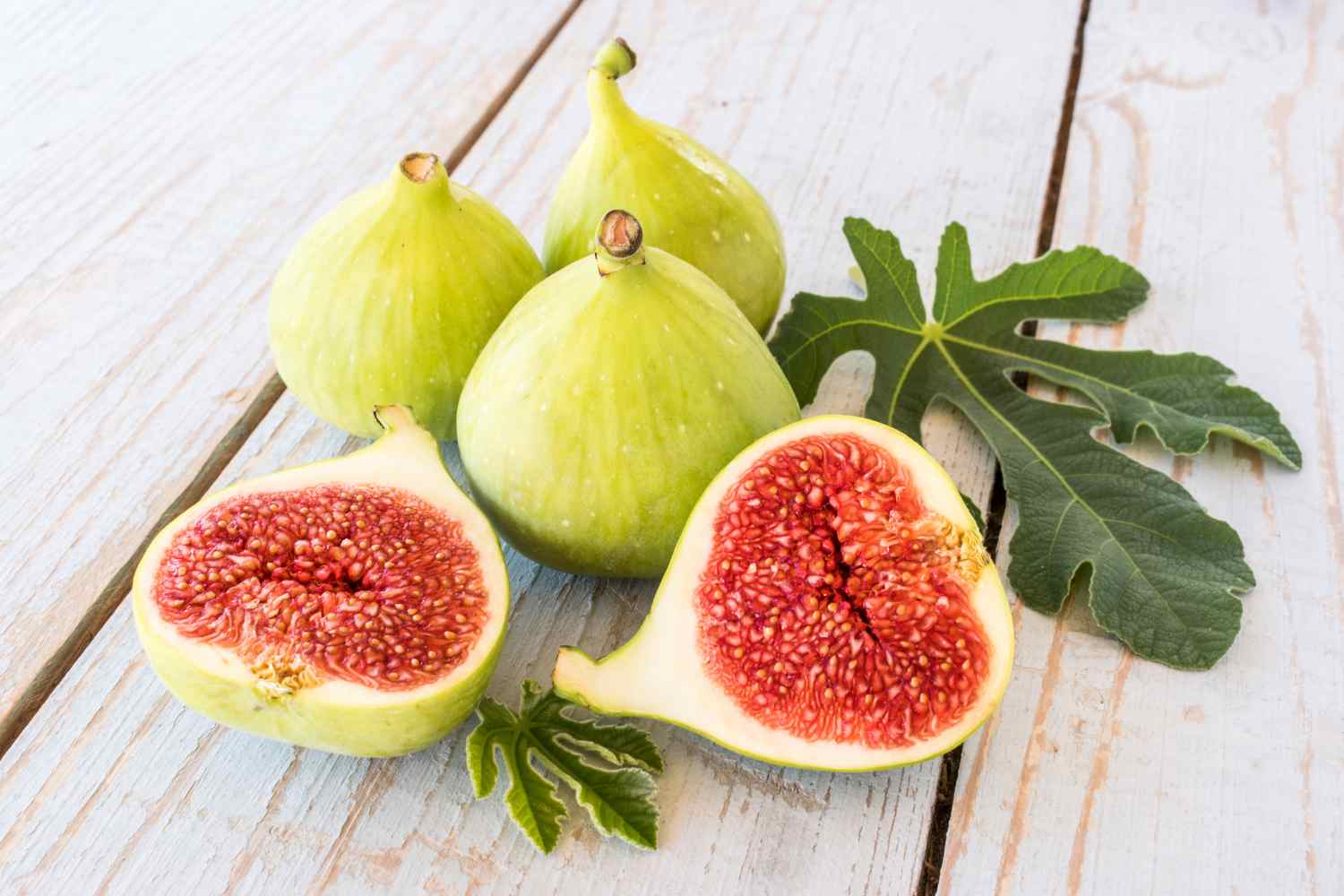
With the summer and the end of summer, figs arrive, sweet and nutritious fruits that can become an energy snack or the ideal ingredient for numerous recipes. But what to do with their peel? Let’s see if it is advisable to consume it together with the fruit.
Figs are a fruit loved by many, thanks to their sugary flavor and the many varieties available. They are delicious fresh, dried, like a snack or used in various dishes, but the question that many ask themselves is: is the peel of the figs?
Can the peel of the figs eat?
The answer is yes, the peel of the figs is completely edible, just remove the petiole and carefully wash the fruit before consuming it entirely. The peel of the figs is not only sure to eat, but also contains nutritional properties similar to those of the pulp. The choice to eat it depends on the personal taste: some prefer the consistency of the peel, while others prefer to eliminate it.
You can consume the peel of any variety of figs, but in general, if you prefer not to peel them, opt for the smaller and tender ones, since they have a thinner peel and pleasant on the palate. The figs at the beginning of the season tend to have these characteristics, while those at the end of the season have a thicker and more hard peel. The latter is also edible, but the consistency could be less pleasant.
Before consuming figs with the peel, it is important:
- Choose biological figs: opt for collided figs without the use of pesticides to avoid taking harmful chemicals.
- Wash them thoroughly: wash you under running water to eliminate any earth residues or other impurities.
- Listen to your body: if you notice digestive problems after eating the peel, it could be better to avoid it.
When is it advisable to avoid the peel?
If you have doubts about the origin of the figs or on their cultivation method, it is preferable to avoid consuming their peel. In addition, if you suffer from food allergies, it is advisable to consult a doctor before eating it. Finally, in the presence of dermatitis or other skin problems, it would be better to avoid direct contact with the peel of the figs.
Properties of the peel of the figs
In the past, it was believed that the peel of the figs was particularly beneficial, so much so that it was said that “the ancients ate the peel and threw the figs”, underlining the alleged benefits of the peel compared to the pulp. Although today we know that it is a legend, the peel of the figs is actually rich in fiber, mineral salts and vitamins, making it a healthy addition to the diet.
Rich in food fibers, it contributes to improving digestion and promotes an prolonged sense of satiety, ideal for those looking for healthy snacks. In addition, the peel contains a good amount of natural antioxidants, which help fight free radicals in the body, thus supporting cell health and reducing the risk of chronic diseases.
The vitamins present, such as vitamin C and some of group B, play a fundamental role in strengthening the immune system and energy metabolism. The mineral salts, including potassium, calcium and magnesium, present in the peel, contribute to the maintenance of the health of the bones and to the regulation of blood pressure. Incorporating the peel of the figs into its daily diet can therefore offer numerous advantages for general well -being, making this fruit not only tasty but also highly nutritious.
How to enjoy the peel of the figs
The easiest way to taste the peel of the figs is to eat it together with the fruit. Alternatively, you can transform it into a delicious and nourishing snack. After washing and drying the peel, you can sprinkle it with sugar and leave it to dry in the sun or oven, thus creating a sweet and energy snack.
Natural thickener
The peel of the figs is also rich in pectin, a substance that acts as a natural thickener, so when you prepare fig jams, you can add the skins to take advantage of the thickening properties and reduce cooking times, just wrap them in a food gauze to easily remove them at the end of cooking.
The peel of the fig is not just a part to eat together with the fruit or to be discarded: it can turn into a really interesting ingredient.
Digestive herbal tea
Drying and added to hot water, for example, it gives a herbal tea with a delicate taste and natural digestive properties, ideal after a abundant meal.
Do figs really contain a dead Vespa?
Often the rumor circulates that there is a dead Vespa inside the figs. In reality, the truth is a little different and concerns only some varieties of figs.
Not all figs need to be polinies to develop: many of the varieties that we find in the supermarket or in the markets (for example common figs such as doctat, toast, Verdino, etc.) mature even without fertilization and therefore do not contain any insect inside them.
The situation is different for some wild or cultivated varieties in a traditional way, called caprified figs, which develop thanks to a particular type of Vespa, the Blastophaga PSENES. This insect enters the fruit to lay the eggs and, in the process, polline it. Sometimes the Vespa remains trapped and dies inside the fig.
Before the nausea comes to you: don’t worry. The fig produces Ficina, a natural enzyme that completely disappears the insect, transforming it into proteins. So, even if there was a Vespa, you would never find it entire or recognizable: the fruit “digests” it by itself.
In summary:
Don’t you want to lose our news?
