
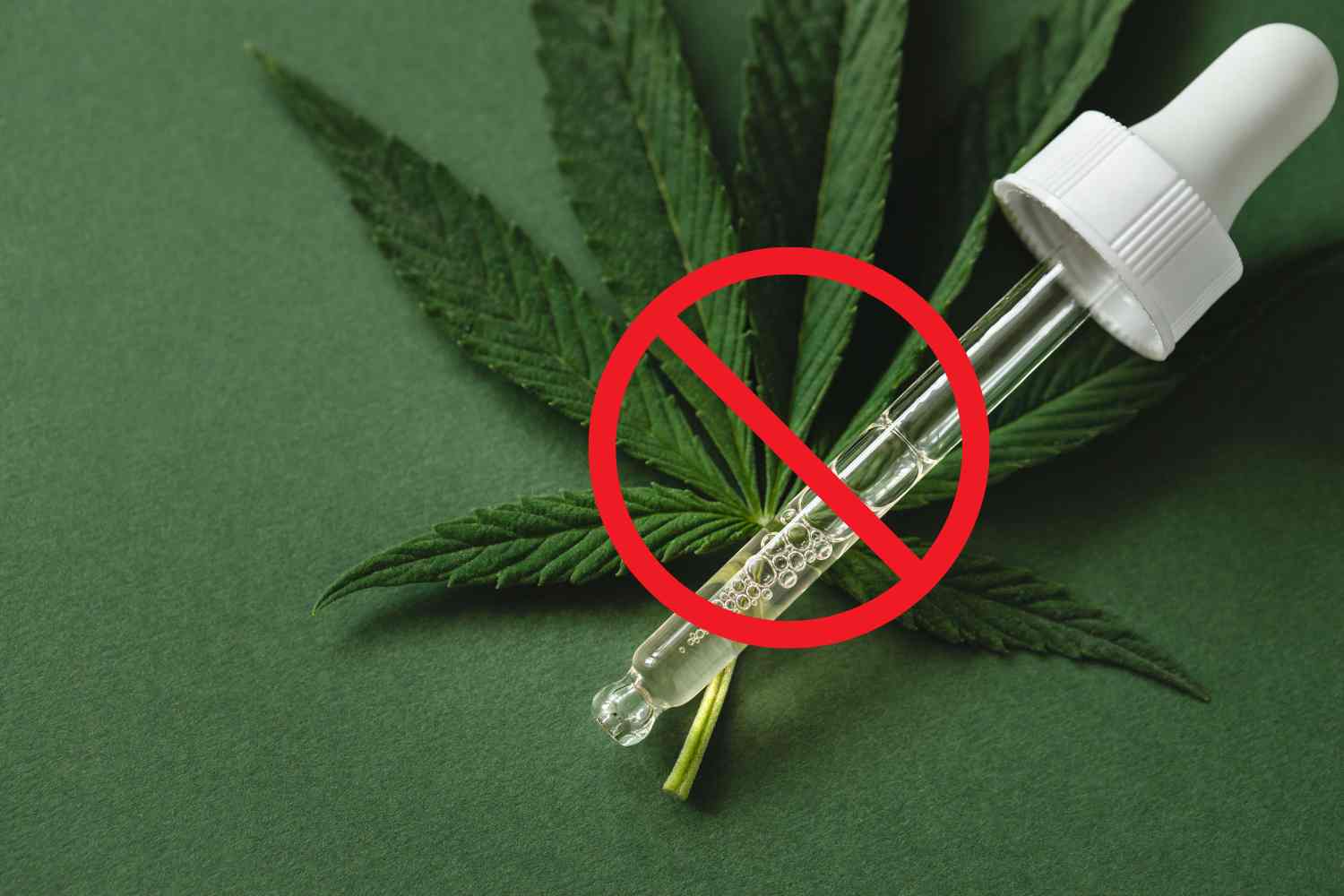
The Security Decree 48/2025, definitively converted into law by the Senate yesterday 5 June, marks a decisive turning point for the Cannabis Light sector in Italy. The new legislation, strongly supported by Undersecretary Alfredo Mantovano with delegation to the anti -drug, aims to prevent behaviors that could compromise public safety through alterations of the psychophysical state.
The new restrictions
The law profoundly modifies the previous 2016 legislation (law 242) which regulated the agro -industrial chain of hemp. The new article 18 introduces a total ban for:
The only exception concerns the agricultural production of seeds for the uses allowed by law, in compliance with the contamination limits established by the ministerial decree of 4 November 2019.
Severe penalties for offenders
Those who violate the new prohibitions risk severe penis according to the consolidated text on drugs:
The sanctions also include administrative measures such as suspension of the license, revocation of the port of weapons and limitations to freedom of movement for recurrences.
What remains lawful
Hemp cultivation remains only for:
All varieties must have a THC content of less than or equal to 0.2% and use certified seeds.
Coldiretti highlighted how the inflorescence represents a fundamental part of the added value of the plant, and its prohibition risks compromising the entire sector, particularly penalizing the young farmers engaged in the green economy and in the relaunch of the internal areas.
Controls and vigilance
The forestry, environmental and agri -food unit command of the carabinieri (former forestry body) is the body in charge of carrying out checks on the crops, including laboratory prelevations and analysis to verify compliance with the new parameters.
The Italian hemp sector: dizzying numbers at risk
Half billion euros: This is the economic value of the light hemp sector in Italy, a green treasure that now risks vanishing into thin air. Behind this impressive figure is hidden a reality made of over 3,000 farms scattered from north to south, which have invested time, resources and hopes in what seemed to be the future of sustainable agriculture.
30 thousand families hanging on a thread
They are not just cold numbers: there are behind the statistics 30,000 workers That every day get up to grow, collect and transform hemp. Fathers and mothers of the family, young agricultural entrepreneurs who have bet on an innovative sector, specialized workers who have built their professionalism in this emerging sector.
From Lombardy to Sicily: 4 thousand hectares of uncertainty
The geography of Italian hemp tells of an Italy that does not surrender: beyond 4,000 hectares cultivated from the North to the south of the country. From the Lombard plains to the Sicilian countryside, passing through the productive Veneto, the agricultural Puglia, the Basilicata rural, the dynamic Friuli Venezia Giulia and the pioneer Sardinia. A mosaic of territories that had found a new lifeblood in hemp.
The green economy that dies in the bud
This sector represented a central role in the green economy and in the relaunch of the internal areas. Precisely those areas of Italy that most struggle to find sustainable economic alternatives, which had glimpsed a possibility of rebirth in light hemp. Mountains, hills and marginal campaigns that thanks to this cultivation were returning to live.
The big question: what happened to?
Today, in the face of the new decree, thousands of agricultural entrepreneurs are faced with a dramatic crossroads: completely converting their business, with enormous costs and without guarantees, or definitively close.
