
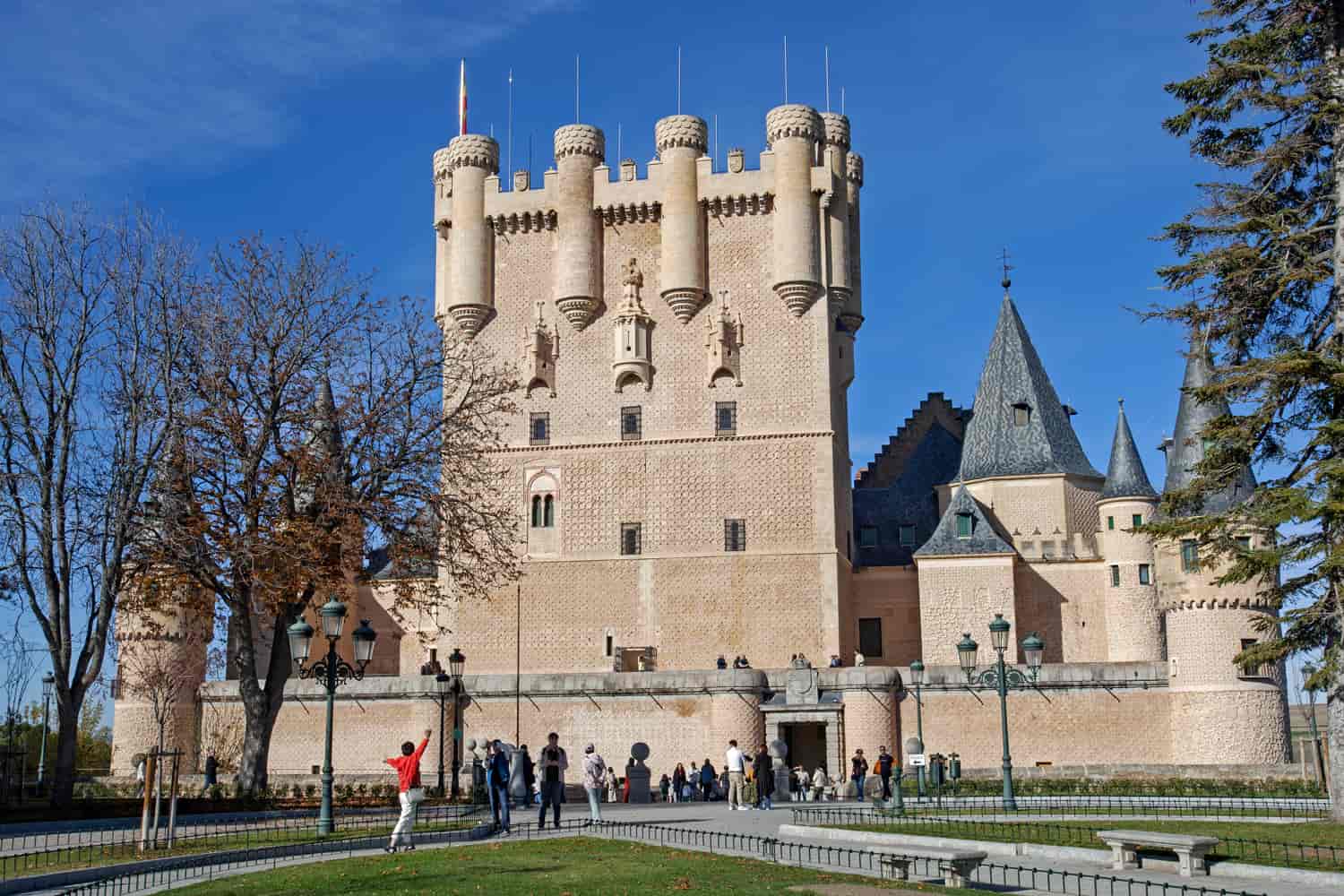
Castilla y León is a natural stage where history comes to life. This vast region in the heart of Spain, larger than Portugal, often overlooked by the most popular tourist circuits, holds architectural treasures that leave you speechless and are completely unexpected if admired in person.
Segovia, between aqueducts and Disney castles
The journey can start from Segovia (Unesco Heritage city), where the iconic Roman aqueduct dominates the urban landscape with its perfect arches, a grandiose testimony to the engineering of ancient Rome. Walking along its thousand-year-old stones, interlocked one after another and held together precisely because of this miraculous joint, offers a unique emotion, especially when the low sun colors the granite blocks orange.
The medieval city extends up to the Alcázar, the castle with pointed towers that inspired Walt Disney for Sleeping Beauty. Perched on a rocky outcrop, this fairytale fortress is one of Spain’s most iconic monuments. Not far away, the Gothic cathedral, the last great Gothic cathedral built in Spain, rises elegantly in the historic center with its slender spiers that seem to want to touch the sky, a late masterpiece that challenges the canons of time, which began in the 16th century when the Renaissance already dominated the rest of Europe.
But Segovia is also synonymous with gastronomy: the famous cochinillo asadosuckling pig cooked in wood-fired ovens, is a ritual that traditional restaurants have celebrated for centuries, often accompanied by full-bodied red wines that reach their fullness in autumn. The vegetarian and vegan choice is more complicated, but not absent.
12 km from Segovia, absolutely worth visiting, is the Granja de San Ildefonso, the sumptuous royal palace built by Philip V of Bourbon as a summer retreat and refuge from court life. Inspired by the grandeur of Versailles, this complex represents the successful attempt to transplant French taste to the heart of Castile. The most beautiful and worthy part are the gardens, which extend for 146 hectares at the foot of the Sierra de Guadarrama, and the spectacular monumental fountains, 26 of them, powered by an ingenious hydraulic system that exploits the natural force of the water coming from the mountains.
Next to the royal palace, the very interesting Real Fabrica de Cristales de la Granja, a Murano (Ve) style experience.
Ávila, city of walls and mystique
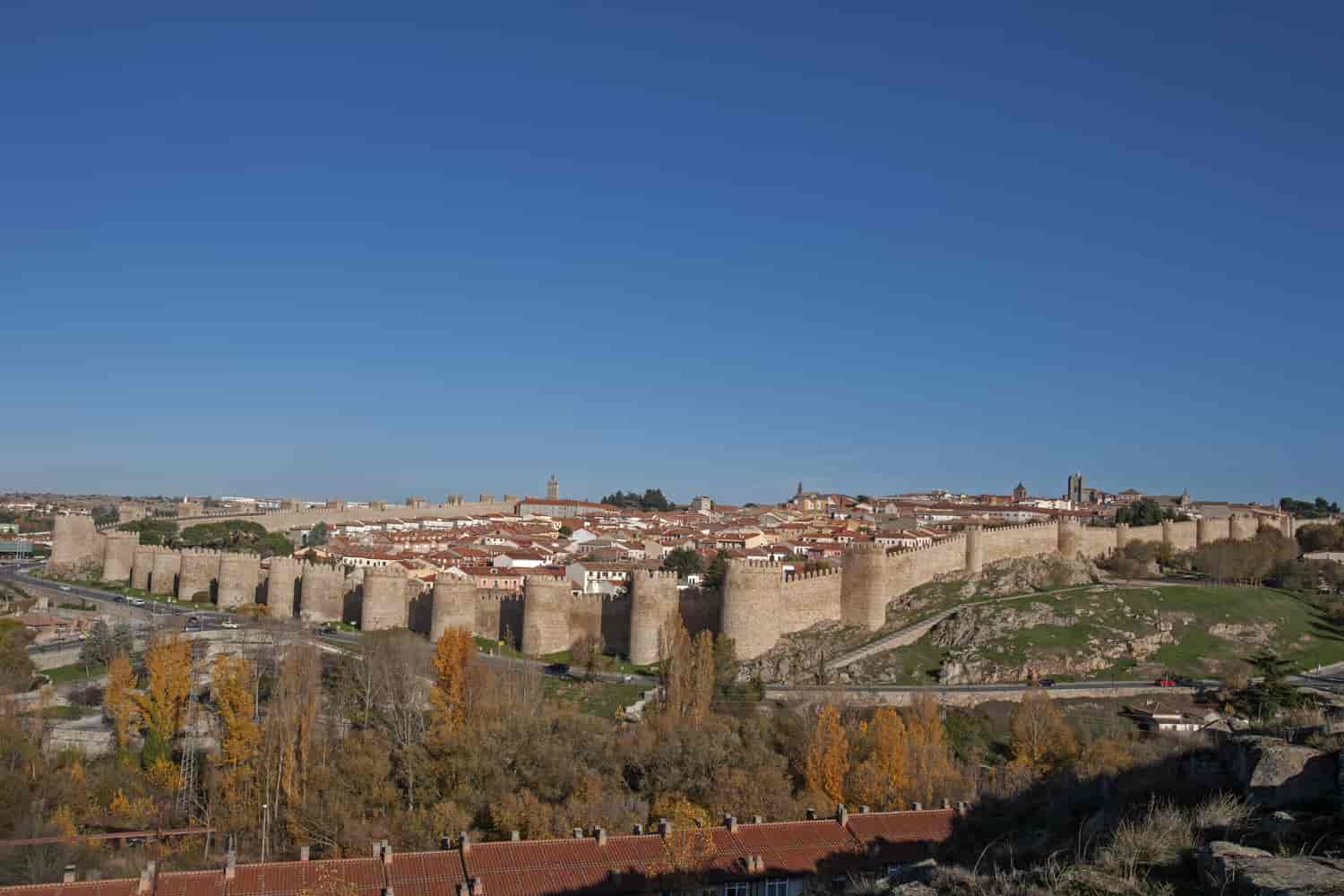
Continuing south, Ávila (a UNESCO World Heritage city) welcomes visitors with its perfectly preserved medieval city walls, a stone ring over two kilometers long that embraces the heart of the city and which can almost entirely be explored on foot. The walls, illuminated at sunset, are a scenic jewel that takes you back in time. Inside the city, convents, Romanesque churches and noble palaces that inspired Saint Teresa of Ávila.
Commonly called La Santa in Spain, she was born here in 1515 and lived her early years until she became a nun through a ruse. Her father, a converted Jew, did not want her to become a nun; so when her brother turned eighteen she asked him to accompany her to the convent and take her vows. Soon, in the convent he realized that humility and Faith were not practiced as Jesus had taught. For this reason she recklessly and stubbornly set out to change the world around her and at the end of her journey she had founded 17 convents of the Order of the Discalced Carmelites, still today synonymous with rules and spirituality.
Alba de Tormes, the village of the Saint
A few kilometers from Ávila, a detour leads to Alba de Tormes, a village that retains a rare authenticity. Saint Teresa of Ávila rests here, in the basilica that bears her name, and every year thousands of pilgrims go there to pay homage to the relics kept there. The place is a worthy homage to the Saint and manages to inspire even the most sceptical.
Walking along the cobbled streets and traditional houses of the town you can also visit the Castle, mostly ruined but with a visitable tower that leads to a splendid view of the area and a room with frescoes commemorating the Duke who had it built.
Finally, enjoy the delicious puff pastry desserts prepared and packaged by the nuns of Alba.
Salamanca, the golden university city
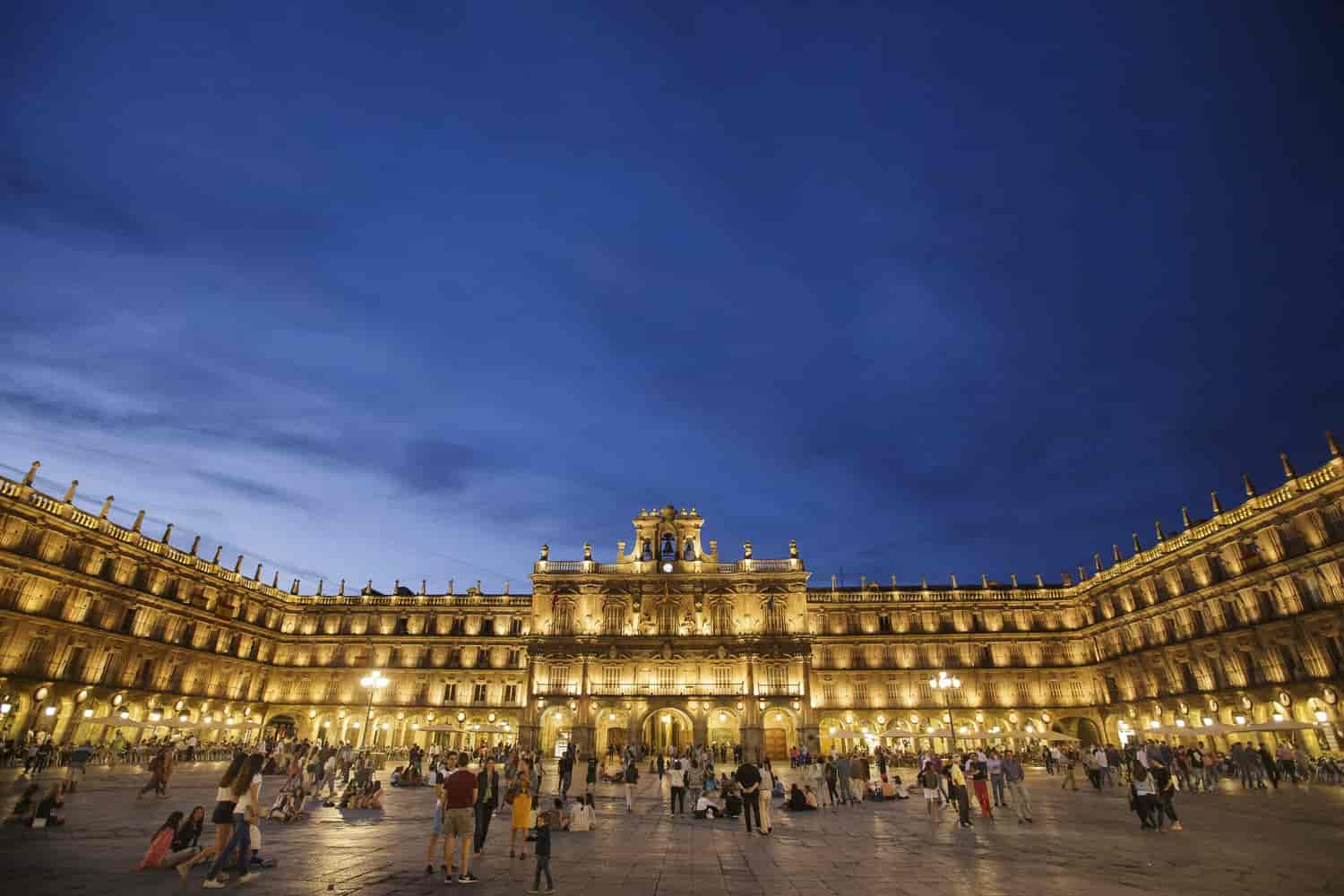
The next stop is Salamanca (Unesco Heritage city), the beating heart of Castillia and León and perhaps the best-known city in the region. Known as “the golden city” for the sandstone that covers its buildings, Salamanca shines with a warm and enveloping light. The Plaza Mayor, considered one of the most beautiful squares in Europe, as in all Spanish cities, is the city’s living room: at sunset it comes alive with students, tourists and inhabitants who fill the cafes, bars and restaurants.
The University, founded in 1218, is among the oldest in the world: it houses Renaissance classrooms and a library that seems to have come out of a painting. Within its walls they studied figures who changed the history of Spanish and international culture. Among these Francisco de Vitoria (1486-1546), one of the fathers of international law and universal natural law, and Luis de Leon, professor of theology, writer and translator (famous for his translation of the Song of Songs, for which he was tried and imprisoned for 4 years).
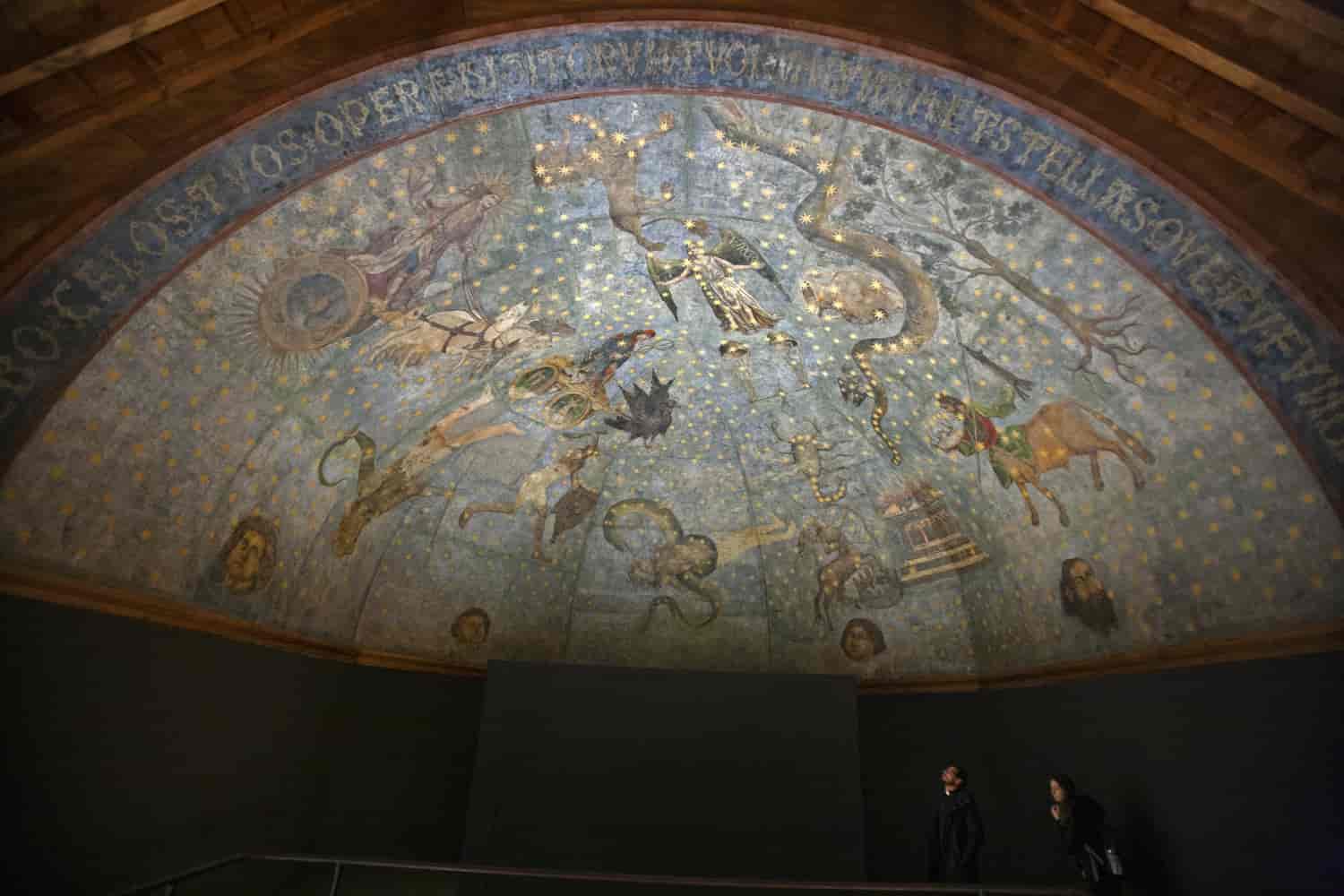
Worth visiting is El Cielo de Salamanca, part of the fresco on the vault of the university library, painted by Fernando Gallego in around 1480. El Cielo portrays the constellations and planets, known until then, in the form of characters, animals or symbols.
Not far away, the two cathedrals – the old Romanesque and the new Gothic – dialogue in an architectural embrace that spans the centuries.
Valladolid, capital of kingdoms and flavors
The route ends in Valladolid, the ancient capital of the kingdom of Castile and León, which today presents itself as a dynamic and vital city. Walking through the historic center you come across Renaissance buildings, such as the Colegio de San Gregorio, which today houses the National Museum of Sculpture, a treasure chest of masterpieces of Spanish religious art.
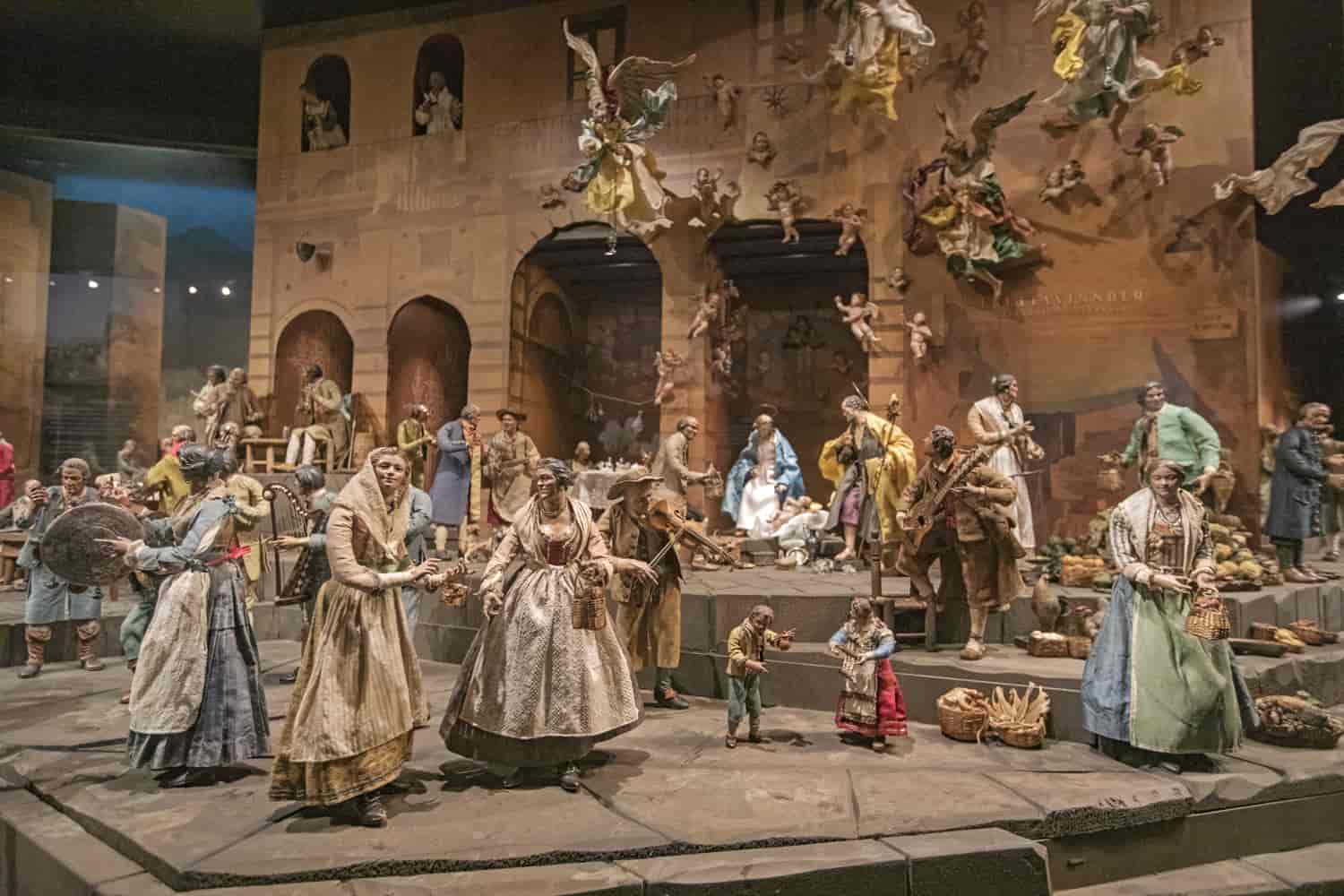
Valladolid also preserves illustrious memories: Christopher Columbus died here in 1506 and there is the house-museum where Miguel de Cervantes lived, evidence of a past that has marked universal history.
The visit is also worth discovering its gastronomy, including creative tapas that liven up the bars in the center and traditional Castellano dishes. There is no shortage of excellent wines from Ribera del Duero, among the finest in all of Spain, which find one of the ideal stages to be tasted in Valladolid.
You might also be interested in:
