
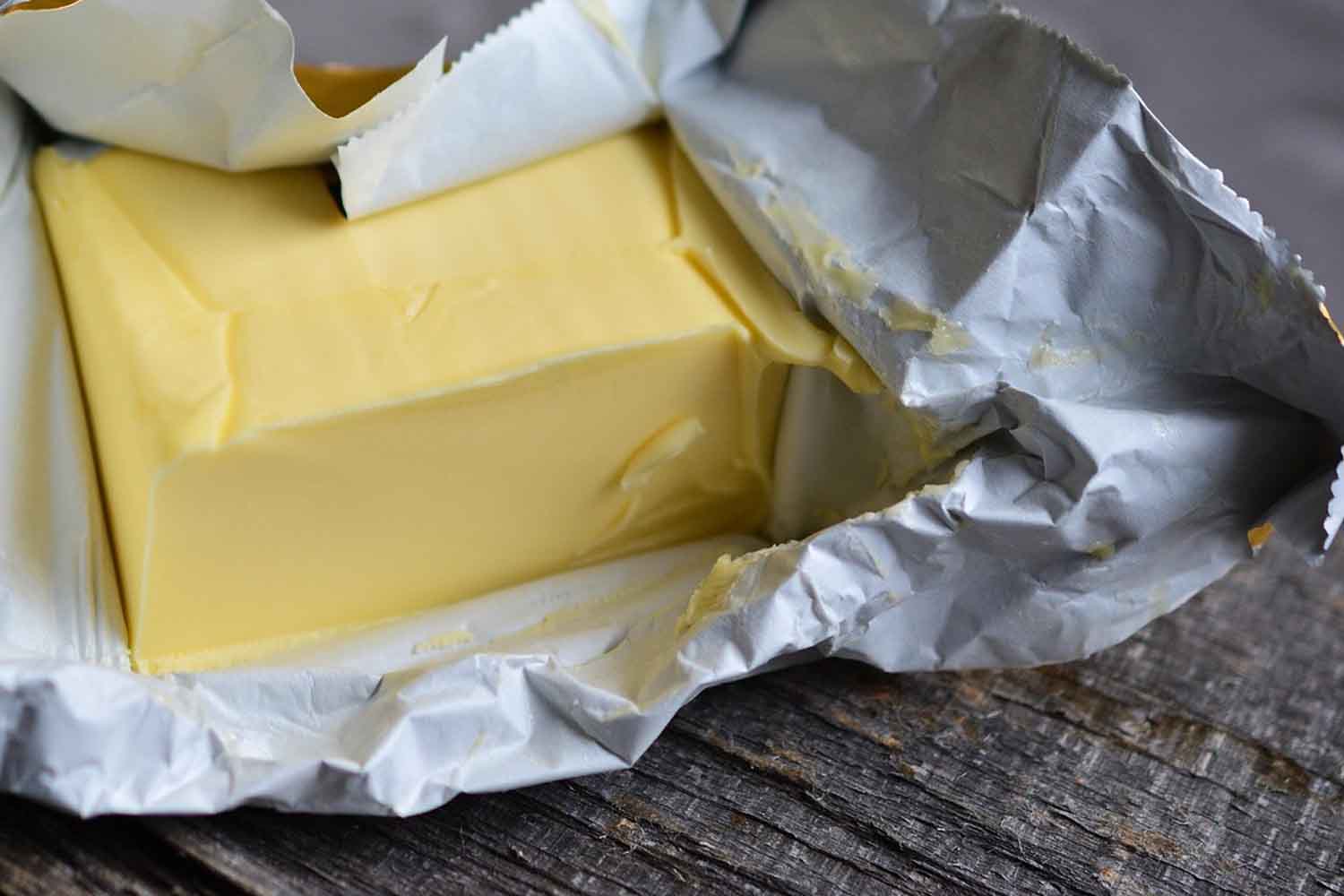
For years we have been told that butter, cheese and dairy products should be avoided as much as possible. Too much saturated fat, too much cholesterol, too much risk for the heart. A simple, direct message, which ended up transforming some traditional foods in our cuisine into culprits to be eliminated without appeal.
Yet today science tells a more nuanced, less alarmist and, in some ways, surprising story.
A large scientific meta-analysis just published calls into question the idea that cutting saturated fats is always a healthy choice. And it does so starting from data, not from food trends.
The results of the study
The study sifted through 17 international studies, involving over 66 thousand people, to understand whether reducing saturated fats in the diet really affects mortality and the risk of heart attacks and strokes. The result is clear: the benefits only exist for those who already have a high cardiovascular risk. For everyone else, i.e. the majority of the population, eliminating butter and cheese does not seem to make any significant difference, at least in the medium term.
Simply put: if a person is healthy, does not smoke, does not have diabetes or serious heart problems, drastically reducing saturated fats does not reduce the risk of dying or getting heart disease in the following five years. A fact that breaks a consolidated pattern and forces us to review some certainties.
Saturated fats, moreover, have for decades been considered the great enemies of the cardiovascular system. Naturally present in red meat, dairy products, butter and many cheeses, they have been associated with increased cholesterol and the formation of plaque in the arteries. Hence the official recommendations, such as those of the British Health Service, which invite us not to exceed certain daily quantities and to prefer “good” fats.
But according to some researchers, the problem is not the single food. It is the overall food context. In the editorial accompanying the study, two scholars from the University of Barcelona explain that the perception of saturated fats is changing: they are no longer seen only as harmful, but as nutrients that can have different effects depending on the type and diet in which they are included.
The key is balance
In a balanced diet, rich in vegetables, legumes, whole grains and unsaturated fats, some saturated fats do not seem to be a problem. Indeed, some types naturally present in dairy products could have neutral or even positive effects. A position that does not invite excesses, but which resizes the idea of ”all or nothing”.
This doesn’t mean that the official guidelines are worth throwing away. Experts urge caution, especially because the study observes the effects over a five-year period, while cardiovascular risk models are often based on ten years or more. Changing the recommendations would be premature, but ignoring this data would be equally premature.
The message that emerges is less ideological and more concrete: not everyone needs the same diet. For those who already have heart problems or significant risk factors, reducing saturated fats remains a sensible choice. For others, demonizing butter and cheese may be useless, and perhaps even counterproductive if it leads to them being replaced with ultra-processed foods or hidden sugars.
Ultimately, the real question isn’t whether butter is good or bad. It’s how we eat overall, how attentive we are to food quality and whether our lifestyle is truly healthy. The answer, as often happens when it comes to nutrition, is less clear than we would like. But perhaps for this reason she is more honest.
You might also be interested in:
