
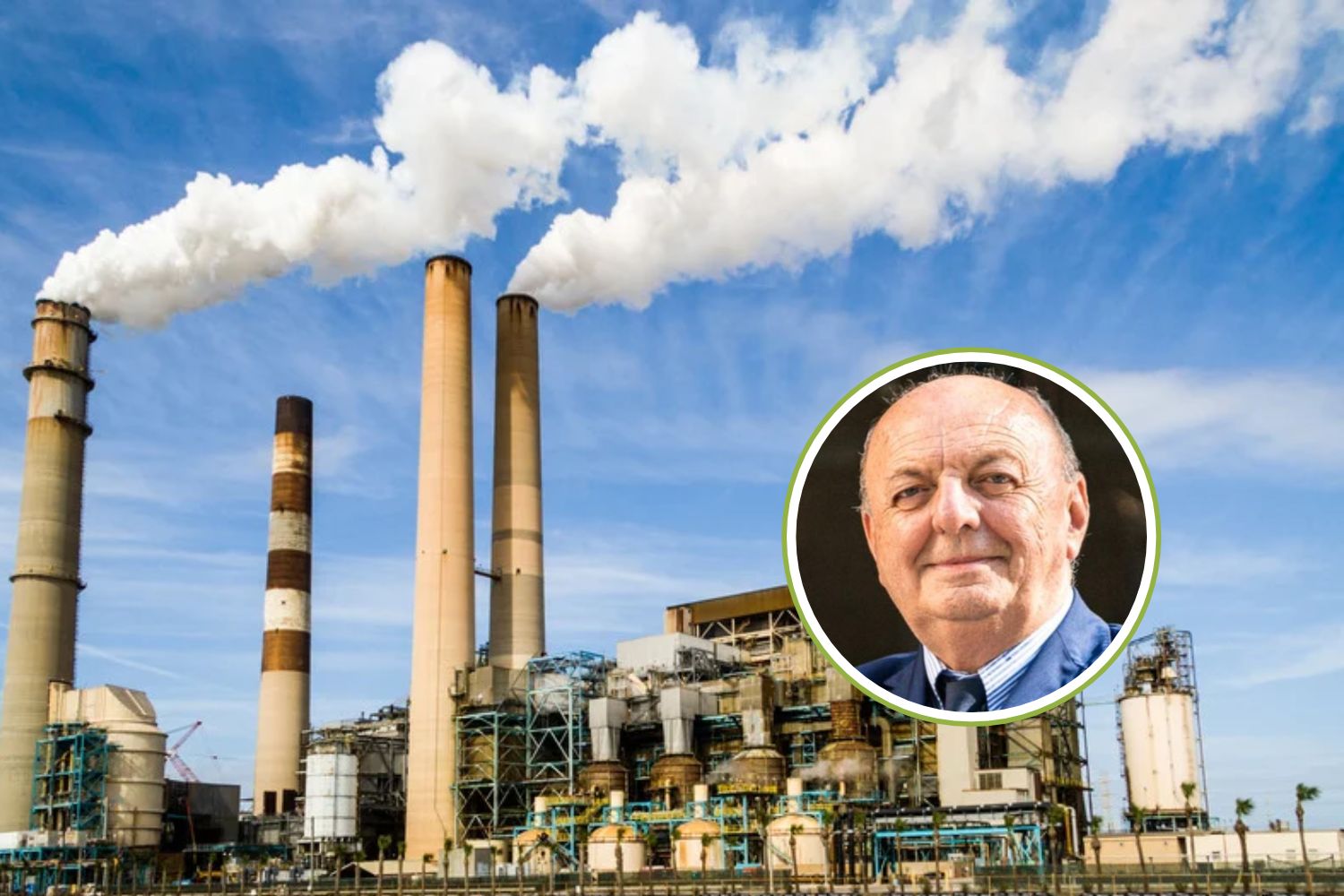
It seemed impossible but it’s reality: the second draft agreement at COP31 is weaker than the first. With a wave of a wand, oil, gas and coal have practically disappeared from the document that should point the way to tackling the climate crisis.
There are just a few hours left until the conference, scheduled for Friday 20 November, ends and what was supposed to be the great event for the implementation of climate commitments risks turning into yet another tug-of-war over words.
The new draft of the agreement, published today 19 November, has in fact deleted any explicit reference to the abandonment of fossil fuels. A sensational step backwards compared to the document presented only three days ago, which even called for accelerating its elimination.
From the exit from fossils to silence: what has changed
By Monday 16 November, the first 18-page draft had put two different formulations on the table. The first resumed the compromise reached at COP28 in Dubai in 2023: transition away from fossil fuelsthat is, starting a transition that leads to the progressive abandonment of fossil fuels in energy systems.
The second was decidedly more ambitious and called for an acceleration of phase outthat is, the gradual elimination of oil, coal and gas, through an immediate transition.
The difference is not just linguistic. Talk about transition away it means indicating a direction, without necessarily setting a date by which to complete the journey. The phase outhowever, indicates a precise final objective: to eliminate the use of fossil fuels, even if times and methods must be defined. Two expressions which, behind diplomatic language, hide enormous economic interests and it is therefore not surprising that oil-producing countries and large consumers of fossil energy have resisted more stringent commitments. The result? In the new version of the document neither of the two formulations appears anymore.
Pichetto Fratin does not rule out a return to coal
In an interview with the Youth Press Agency, our Minister of the Environment and Energy Security Gilberto Pichetto Fratin admitted that, if the war in the Gulf were to continue and the price of gas exceeded 100 euros, he could be forced to order the reopening of coal plants to guarantee the country’s energy supply. A decision that he metaphorically defined as “a stab wound”, but which he considers part of his government duty.
The minister recalled that approximately 40% of Italian electricity is produced using natural gas and defended a transition based on realism and energy security, without excluding comparison with the oil industry. On the renewables front, Pichetto Fratin indicated the objective of reaching 35% of electricity in total energy consumption by 2035, compared to the current 23% declared by the minister. He also claimed Italian progress in installations, while recognizing the difficulties linked to territorial opposition and landscape protection.
The paradox is evident: while the international community seeks an agreement to reduce dependence on oil, gas and coal, Italy does not rule out returning to the most emitting fossil source to deal with a possible energy crisis.
What remains in the agreement and what risks falling through
The new draft reiterates the need to contain global warming to within 1.5 °C, recognizes the risk of temporarily exceeding this threshold and insists on the urgency of rapidly reducing emissions, just as the objective of bringing the share of electricity in global final energy consumption to 35% by 2035 remains, through greater international cooperation.
But, if on the one hand we talk about accelerating electrification and developing clean energy, on the other hand we do not explicitly indicate which energy sources should be progressively replaced. The text also contains support for CO₂ capture and removal technologies, which according to environmental organizations must not become an alibi for continuing to use fossil fuels.
There has also been a setback on the climate financing front: the reference to 120 billion dollars per year for the adaptation of developing countries has disappeared, while the reference to the commitment to triple these resources by 2035 remains, without yet clarifying the starting figure.
In short, the question is quickly asked: what sense does it make to talk about energy transition without mentioning oil, gas and coal? The true measure of COP31’s success will not just be getting nearly 200 countries to agree. It will be to understand whether that agreement will really serve to reduce emissions or whether, once again, we will have found the right words only and exclusively to postpone the most difficult decisions.
HERE is the second draft of the agreement.
Sources: Al Jazeera / Reuters
