
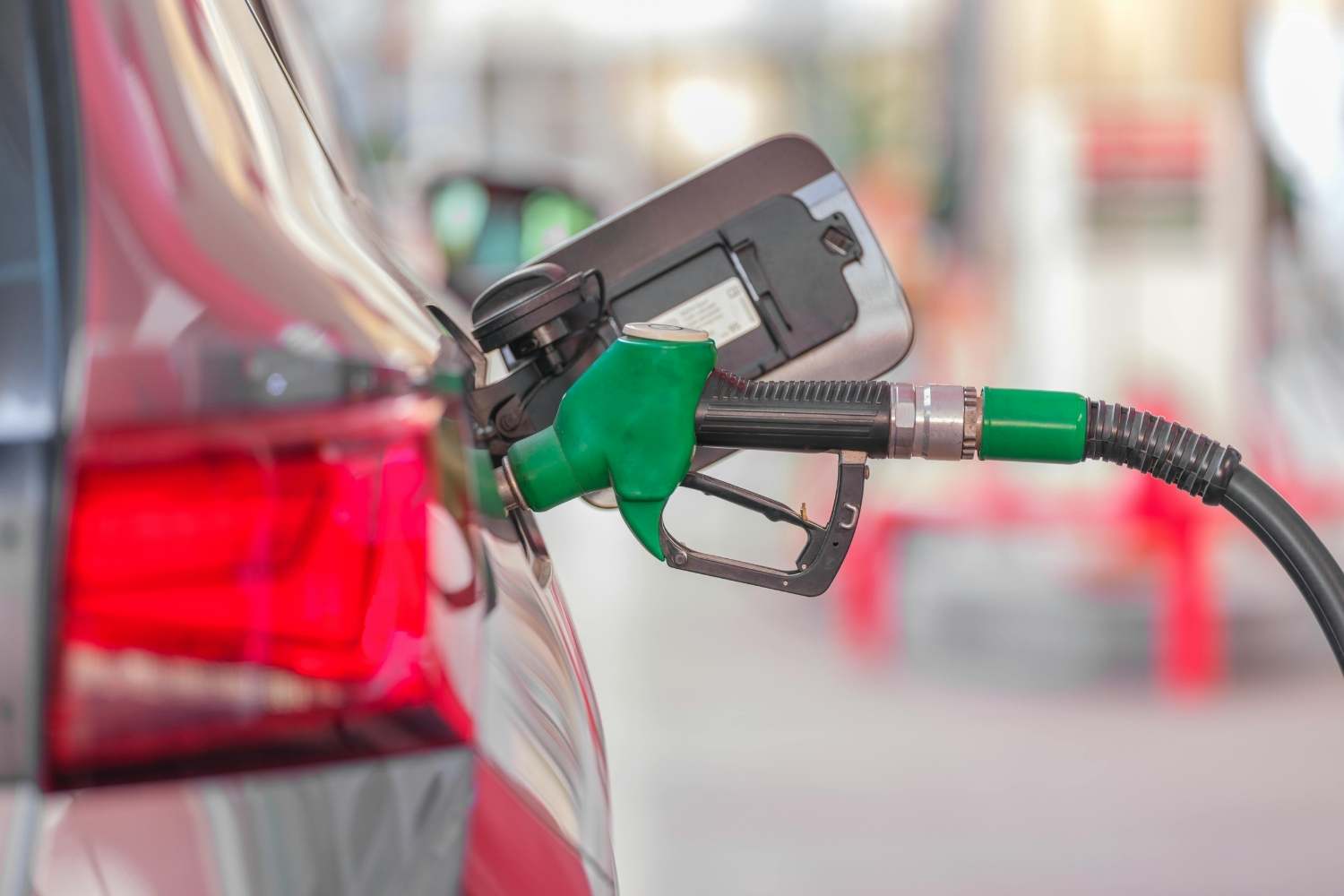
The price at the pump is changing direction, at least for now. With a decree approved quickly and announced by Prime Minister Meloni on Tg1, the government intervenes on the high cost of fuel with a direct measure: cutting excise duties of 25 cents per liter on petrol and diesel. The measure is already operational and was created as a response to the surge in prices linked to the international crisis and tensions in the Gulf, with the scenario aggravated by the difficulties in the Strait of Hormuz, a key point for the transit of global oil.
View this post on Instagram
A temporary measure of 20 days
The intervention has a limited duration: 20 days, a period considered sufficient to contain the immediate impact of the price increases. However, the government does not rule out an extension, linked to the evolution of the energy and geopolitical crisis. The excise duty cut also involves a reduction in VAT, amplifying the effect on the final price. The declared objective is to control costs for families and businesses, avoiding a domino effect on consumer goods.
Aid for transport and fishing
Alongside the reduction in pump prices, the decree introduces targeted measures. A tax credit on diesel fuel is provided for hauliers, designed to prevent the increase in costs from being passed on to the prices of goods. Similar intervention for the fishing sector: fishing companies will be able to benefit from a 20% credit on fuel costs in the spring months. A response to a sector particularly exposed to energy fluctuations.
Strict against speculation
One of the pillars of the measure is the strengthening of controls. The anti-speculation system envisages a central role for Mr Prezzi, supported by the Financial Police and Antitrust. Oil companies will have to communicate prices daily, while sanctions are foreseen for those who alter the price lists without justification linked to the trend of crude oil. In more serious cases, it may even lead to criminal investigations.
A delicate balance between emergency and market
The decree is worth over half a billion euros in total and represents an immediate response to a phase of strong instability. The choice to intervene on excise duties, rather than with selective bonuses, aims to reach all consumers in a uniform way. However, the emergency nature of the measure remains. The future of prices will depend on the evolution of the international crisis and the stability of the energy markets. For now, however, the signal is clear: slow down the rush of fuel and buy time.
You might also be interested in:
