
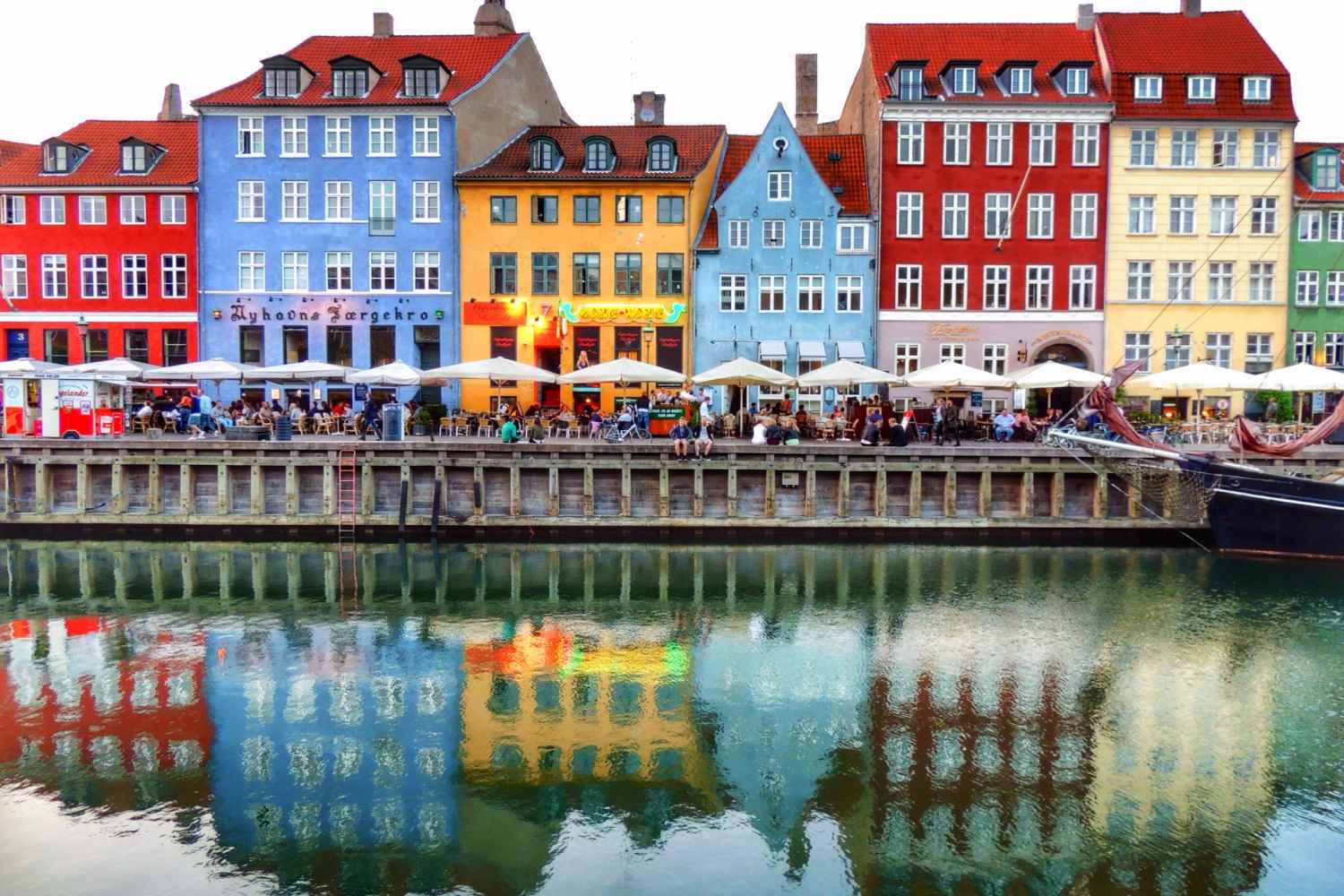
In Denmark the cold doesn’t turn off anything, if anything it triggers the opposite: the cities light up, the cafés become refuges with an intense flavor and every corner seems designed to make you slow down. If you choose winter long weekends, you will discover a country that considers frost an ally, not an obstacle. In Copenhagen you could walk among the Christmas lights with a glass of glogg boiling in your hands or stop to taste them æbleskiverthe soft pancakes served hot with red fruit jam.
The Danish winter is told first with the nose and then with the palate. Every bakery brings out seasonal desserts that undermine any intention of containment: Brunkager with the scent of cinnamon and ginger, Vaniljekranse crumbly, perfect for breaking up a walk, ei Fastelavnsboller which appear in February as a preview of the Nordic Carnival. At Christmas markets you might taste a hot dish or a local mulled wine and suddenly feel part of the place.
Museums and indoor places to choose on the coldest days
If you were to be caught in a windstorm on the coast or a sudden snow, you could take refuge at the National Museum in Copenhagen or head towards Louisiana, where contemporary art meets the sea in a silent glance. Those looking for inspiration just need to wait for the Copenhagen Light Festival: from 30 January to 22 February the capital is transformed into a nocturnal scenography where the canals are filled with light installations.
Outdoor activities to try if you don’t fear the cold
The country does not encourage winter closures. If you dare, you could partake in a freezing dip in the North Sea during the Skagen Winter Swimming Festival or skate outdoors on the roof of a waste-to-energy plant in CopenHill. Sailing the canals of Copenhagen directly from a hot tub will not only be ironic: it will remind you that Denmark does not see winter as a renunciation, but as an act of presence.
Events, festivals and dates to mark in your diary
Forget the idea that the holidays end on New Year’s Eve. Here the winter season continues until March with shows, jazz concerts and celebrations that keep the city alive. On December 13, for example, illuminated kayaks cross the canals for the Santa Lucia Parade, while in February the music of VinterJazz invades theaters and clubs. Those who travel in this period do not observe as spectators, they participate.
The best pastry shops for a coffee break in Copenhagen
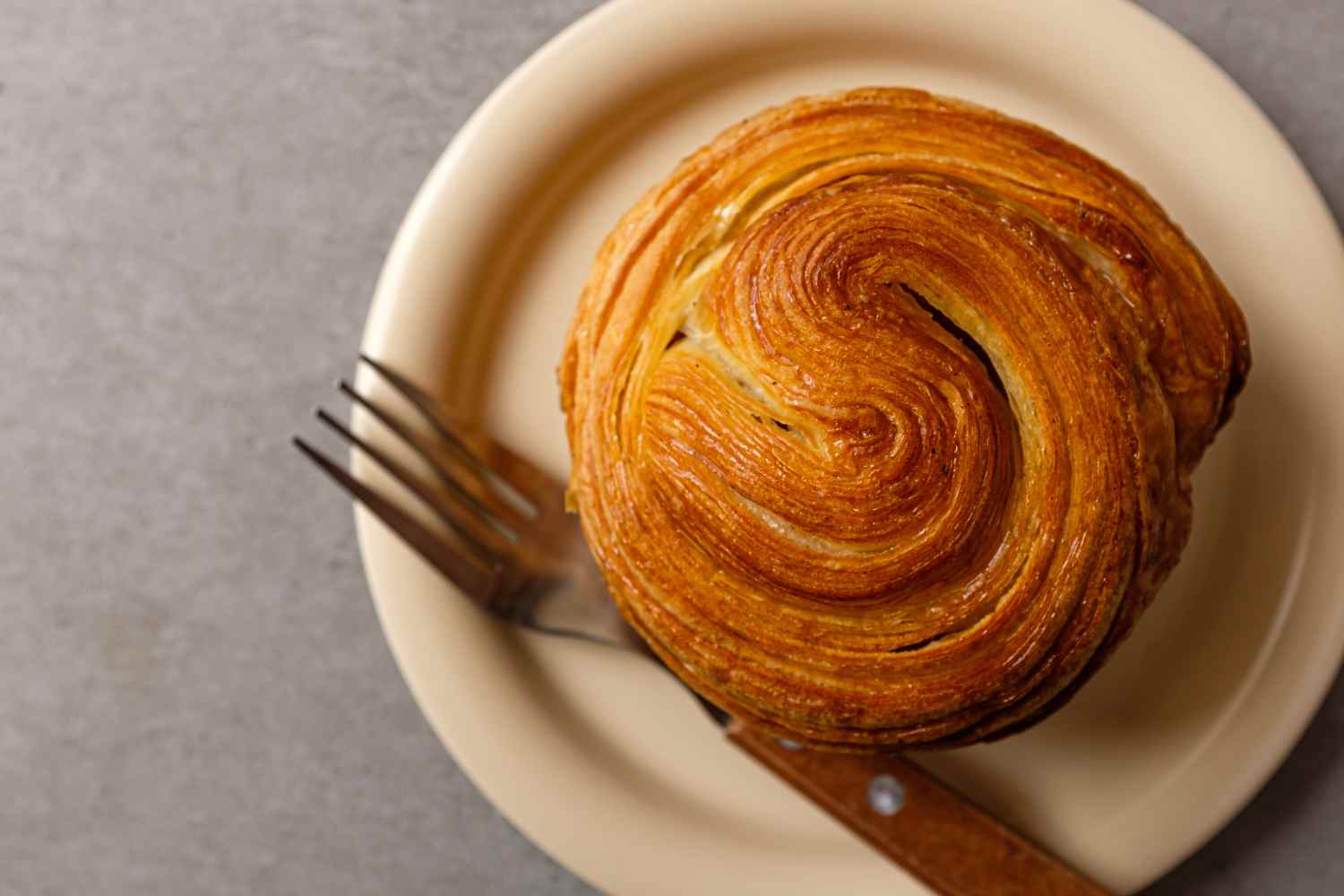
In Copenhagen the coffee break is not a moment “between one thing and another”: it becomes an integral part of the itinerary. Entering a bakery means choosing what to taste carefully, because each bakery has a specific specialty and the products often run out already in the morning.
Start at Andersen & Maillard, where the coffee is roasted directly on site and accompanies croissants considered among the best in the city. If you order bread served with handmade butter and cheese, you have the Danish breakfast at its most essential. But the protagonist is the croissantsoft and flaky, perfect for those who prefer something simple but made with precision.
If you are looking for the most emblematic dessert, go to Sankt Peders Bageri, the oldest bakery in the capital, where on Wednesdays over 4,000 are baked Onsdagssneglethe famous cinnamon rolls. Order just that: soft, spiral-wrapped, packed with butter and sugar. Also ask for a Kringlecharacterized by buttery pastry and variable filling.
At Hart Bageri, founded by Noma’s former pastry chef, try the sourdough bread, which is often sold out within hours. If you want something sweet, go for the cardamom bun or on butter croissants, made “from scratch” with selected ingredients. Seasonal specialties deserve attention, especially if you find limited products exclusive to the winter period.
If you’re in the mood for something less predictable, head to Lille Bakery in the industrial area of Refshaleøen: here you can choose from Berliners, sourdough bread and cinnamon rolls. Don’t miss the freshly baked dessert and ask what is available at that moment, because production varies continuously.
At Juno The Bakery, founded by former Noma chef Emil Glaser, the dessert to order without hesitation is the cardamom buniconic and always fragrant. Alternatively, choose a pistachio croissant or naturally leavened bread and focaccia. Here production is continuous throughout the day, so you may find products that are still hot even in the afternoon.
If you are looking for an elegant break, Apotek 57 offers a minimal but welcoming environment. You can order sandwiches, bread with butter, eggs and cheese or choose a larger brunch-style breakfast. Great stop if you want something simple but carefully prepared.
Those who like to discover lesser-known addresses can focus on Sinne Gas Bakery, in Østerbro: cardamom buns, Brunsviger (sweet focaccia) and sourdough bread are best tried early in the morning to avoid the risk of arriving late.
Finally, a stop at Buka Bakery allows you to taste artisanal products with a stronger flavour. Here you will find freshly baked loaves, pastries and seasonal creations. The name “Buka” means “bread” in Albanian: order something savory and then add a sweet to top it off.
What to order without making mistakes
Where to breathe the Christmas spirit: markets and iconic places
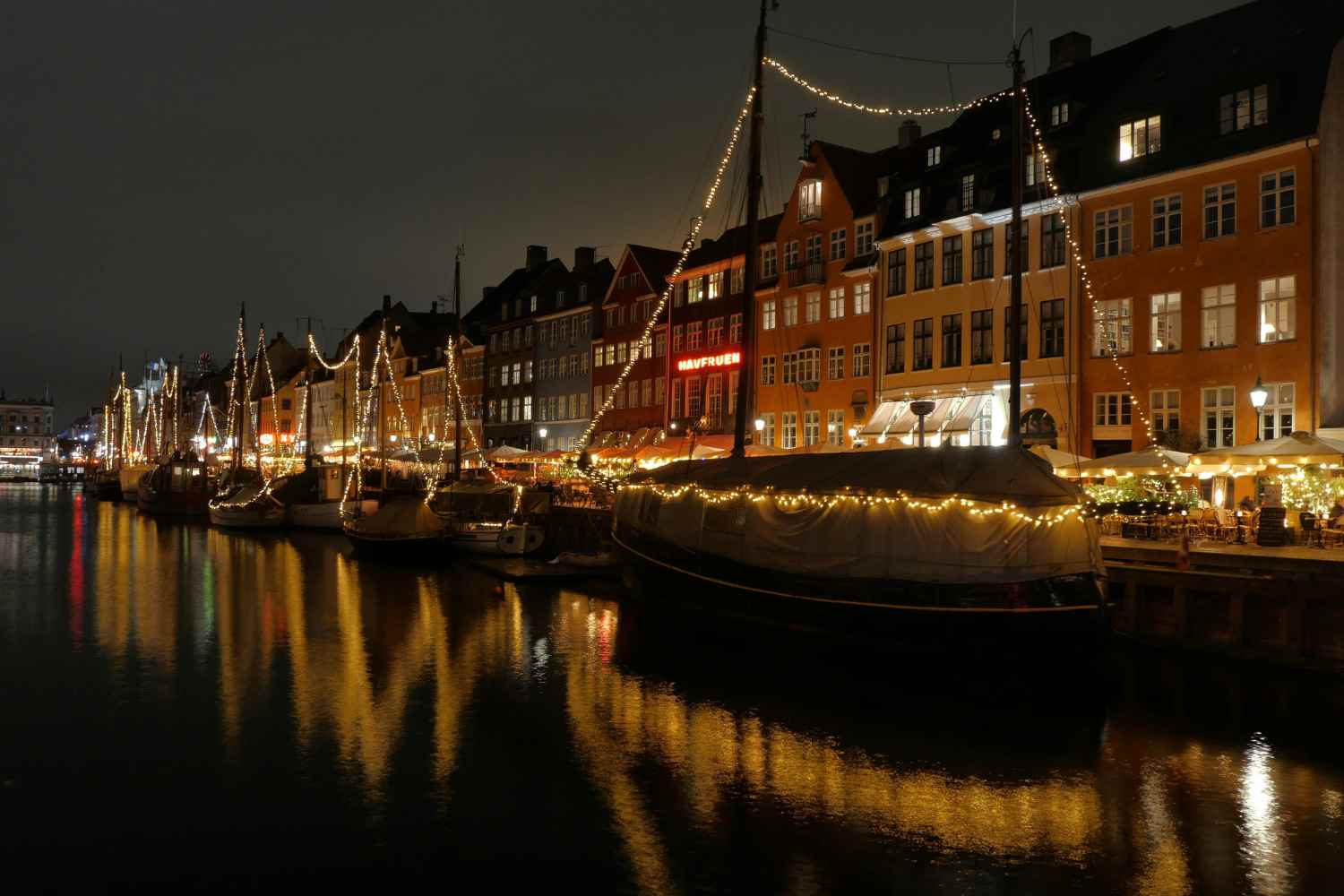
On November 7, with the J-Dagthe pubs fill up for the arrival of the Christmas beer and from that moment the atmosphere takes a specific direction: candles lit in the houses, fir trees prepared but only lit on Christmas Eve, squares transformed into markets until January.
From November 14th, the Tivoli Gardens become the heart of the holidays with thousands of lights, wooden houses, stalls with decorations and sweets. An LED light show takes place every day at 4.30pm, including one dedicated to the 24 planets. The inauguration is a real event: meeting with Santa Claus and lighting the tree. On December 13th, the lights multiply with the Santa Lucia parade between choirs and hundreds of candles. Every Saturday, however, the young Tivoli Guards parade with a final concert.
Also in Copenhagen, from 14 November to 4 January, Kongens Nytorv hosts the Copenhagen Winter Wonderland, with an ice rink considered the most scenic in the capital and food stalls. Along the port of Nyhavn you can walk among the historic stalls, while in the Thorvaldsens Plads area you enter the more local Christmas, with a less touristy flavour.
If you visit the city on December 13, consider the Lucia Kayak: decorated kayaks cross the canals creating a spectacle that turns tradition on its head with a typically Danish touch.
Leaving the capital, move towards North Zealand: Kronborg Castle – a UNESCO heritage site and famous setting for Hamlet – offers one of the most impressive markets in the country, set up in the internal rooms with stalls selling decorations, gifts and toys. The enormous Christmas tree dominates the main ballroom, awaiting the arrival of Santa Claus.
For those seeking more intimate experiences, Esrum Abbey organizes a market including cultural and gastronomic events with products sent from European monasteries. 40 minutes from Copenhagen, the Frilandsmuseet open-air museum lights up for the occasion and takes you into a vintage Denmark among warm desserts and rural settings of the past.
Away from the main flows, the Broen ice rink also deserves attention, open until the end of February and overlooking the port, ideal for a break between local street food and a view of the water.
Because leaving in winter can be worth more than in summer
What convinces you to get on the plane is not the snowy landscape, but the unexpected effect of the frost: it forces you to look for places and people. The Danes have understood this for some time and build winter on the pleasure of stopping without feeling stuck. If you were able to experience it without haste, you would come back with the idea that the cold – assuming you can tolerate it – is not a limit, but an invitation.
In Denmark you understand it when you go out in the morning and find yourself in the streets enveloped in the steam of a freshly served coffee. At that point you stop talking about the off-season. And you start to understand why it’s worth going now.
