
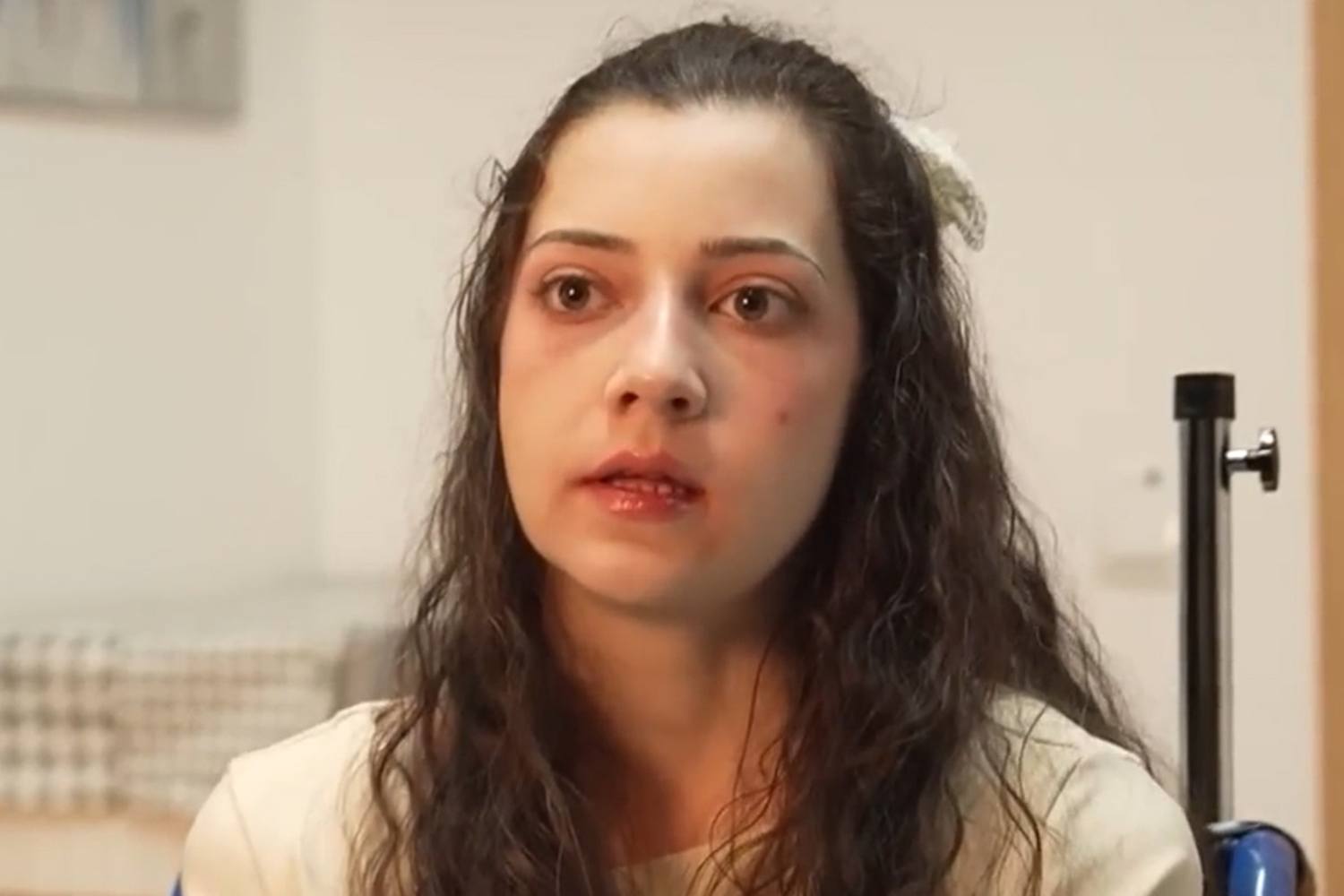
The story of Noelia Castillo ended in Barcelona with a decision developed over time and which became a national case. The young woman chose legal euthanasia, authorized after a long medical and judicial process, putting an end to a condition marked by chronic pain, paraplegia and deep trauma and died at the age of 25.
His story has its roots in 2022, when, after having suffered sexual violence in a club by his ex-partner and three other young people and a serious personal crisis, he attempted suicide by throwing himself from the fifth floor of a building. She survived, but suffered an irreversible spinal cord injury that left her paralyzed from the waist down and dependent on round-the-clock care. Since then his daily life has been characterized by neuropathic suffering, physical limitations and a long reflection on his future.
The legal battle and the father’s opposition
The path to assisted dying was not immediate. Noelia had obtained approval already in 2024, but the procedure was suspended due to the opposition of her father, who started a legal battle to block his daughter’s decision.
The appeals went through several levels: Spanish courts, the Constitutional Court and finally the European Court of Human Rights. At each location, the young woman’s decision-making capacity and the compatibility of her condition with end-of-life legislation was confirmed. On the eve of the procedure, Noelia had publicly explained her choice with words that reflected the tiredness accumulated over the years:
I finally made it, let’s see if I can finally rest.
A law that allows euthanasia in specific cases
In Spain, euthanasia has been legal since 2021 for adults experiencing serious, chronic and irreversible suffering. The procedure involves formal requests, independent medical evaluations and the approval of a multidisciplinary commission.
In Noelia’s case, doctors recognized a permanent condition characterized by constant pain, loss of autonomy and impossibility of clinical improvement. After twenty months of processing, the request was definitively confirmed, allowing the young woman to access the procedure in a socio-health facility near Barcelona.
A case that reopens the discussion on the right to choose
The affair has rekindled a very delicate issue on self-determination, dignity and the role of medicine at the end of life. On the one hand, the individual right to interrupt suffering deemed unsustainable emerges; on the other, the emotional weight of choices involving family and society such as in this case the father’s opposition.
Noelia Castillo’s story is part of a broader debate that concerns different legislation, cultural sensitivities and profound ethical questions. His case, marked by violence, illness and difficult decisions, remains one of the most discussed recent examples of how the end of life continues to question public opinion and institutions.
You might also be interested in:
