
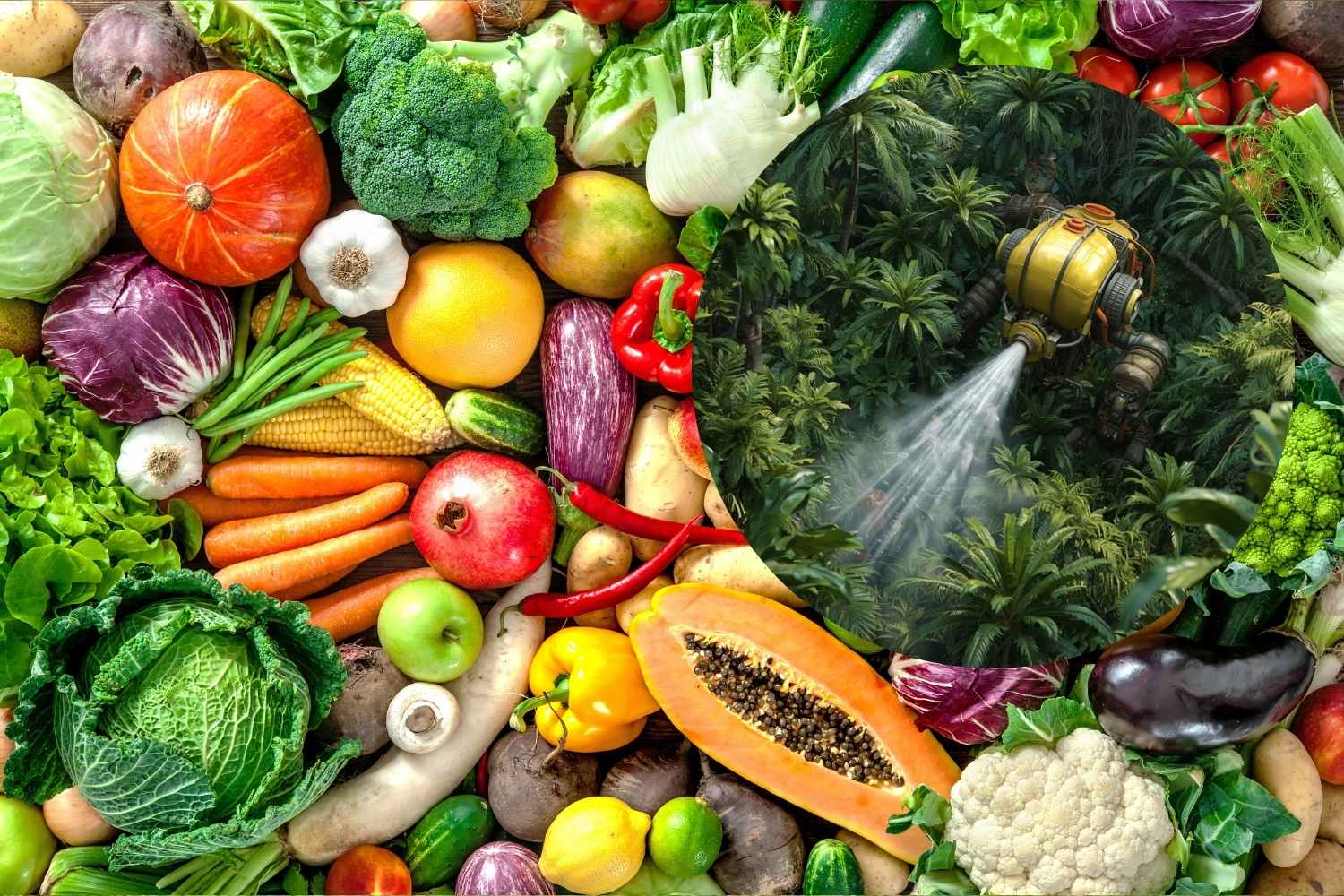
The “Dirty Dozen” returns again in 2025, the annual ranking of the Environmental Working Group (EWG) which identifies, on the US market, the twelve non-organic fruit and vegetable products with the greatest presence of pesticide residues. Spinach and strawberries once again find themselves at the top of the ranking, with the former overtaking the latter after years of almost unchallenged dominance. This year’s edition, however, introduces two significant innovations, with the official entry of blackberries and the return of potatoes.
Every year the EWG, a US organization committed to protecting environmental health, draws up the Dirty Dozen starting from official data from the United States Department of Agriculture (USDA). The objective remains to provide consumers with an information tool on products which, more than others, concentrate pesticide residues after normal home preparation.
For the 2025 edition, over 53,000 samples were examined, relating to 47 types of fruit and vegetables analyzed by the USDA. Before testing, the samples were washed, peeled or scrubbed, replicating common kitchen practices. The residues identified therefore represent what remains after the usual cleaning operations.
This year’s novelty concerns the updating of the evaluation methodology, given that the ranking will no longer be based only on the quantity and frequency of residues detected, but will also integrate the intrinsic toxicity of the identified substances. This approach offers a more complete picture for those who wish to reduce exposure to the most problematic pesticides through food choices.
Scientific literature associates exposure to pesticides with endocrine disruption, effects on development and the nervous system, with consequences that can manifest themselves in the long term. Furthermore, the simultaneous intake of multiple substances could produce greater toxic effects than exposure to single compounds, although research on this aspect still remains limited.
The EWG clarifies that the guide was not created with alarmist intent, but with informative intent. The aim is to help consumers understand when it is worth moving towards organic, especially for foods consumed more frequently. Alexis Temkin, scientific vice president of the organization, recalls how several studies have highlighted a significant reduction in pesticides in urine after switching from a conventional to an organic diet.
What’s new in the Dirty Dozen 2025
A usually stable ranking presents some noteworthy changes this year. Blackberries appear for the first time among the twelve most contaminated products: 93% of the samples analyzed contained pesticide residues, with an average of four substances per fruit, including fungicides and insecticides. A worrying fact, also in light of the widespread consumption of this food by children and families.
Potatoes, on the other hand, return to the list after a period of absence. The main reason concerns the presence of chlorprofam, a plant growth regulator used to block germination during storage. It is a substance applied after harvest, therefore shortly after consumption. Chlorprofam has been banned in the European Union since 2019 due to risks related to human health and the safety of agricultural workers, while in the United States it remains legal and widely used.
The 12 most contaminated products of 2025
Based on analysis of 53,692 USDA samples processed by EWG, the 2025 Dirty Dozen includes:
Alongside the main ranking, the EWG also highlights some “Plus” products, characterized by particularly high levels of toxicity: sweet and spicy peppers and green beans.
Overall, the tests identified 203 different pesticides. Every fruit or vegetable, with the exception of potatoes, had at least four pesticides per sample on average. Cherries represent the only case in which the total number of substances detected did not exceed fifty.
A tool for more informed choices
The organization reiterates that the Dirty Dozen does not intend to discourage the consumption of fruit and vegetables, a cornerstone of a balanced diet. Rather, the guide aims to offer additional support in reducing exposure to pesticides, especially in families with children. When possible, choosing organic products for foods included in the ranking can help limit the intake of chemical residues.
For those who have a limited budget or have difficulty finding organic products, there are alternatives that are considered safer. The Clean Fifteen list collects the fifteen foods with the lowest levels of residues and represents a valid reference for orienting purchases. The EWG also reminds us that thorough washing, while not completely eliminating pesticides, significantly reduces those present on the surface, as well as dirt and bacteria.
From the producers’ side comes criticism from the Alliance for Food and Farming, which represents conventional and organic farmers. The organization defines the classification as excessively alarmist and underlines how all products on the market must comply with legal limits.
Clean Fifteen: the “cleanest” fruit and vegetables
Among the 47 products analyzed, the EWG identified fifteen foods with the lowest amounts of pesticide residues:
Nearly 60% of the samples from these foods showed no detectable residues. Only 16% had traces of two or more pesticides, a significantly lower percentage than other products. Avocado, papaya, pineapple, onions and sweet corn also stand out for the low overall toxicity associated with the residues identified.
In the first six foods on the list, no sample exceeded the presence of three different pesticides. Among the novelties of the 2025 edition are bananas, which are confirmed as among the fruits with the lowest overall toxicity, a comforting fact considering the wide diffusion of the fruit.
How to wash fruit and vegetables correctly
According to the indications of the Food and Drug Administration (FDA), all fresh products, including organic ones, should be washed under running water for at least 15-20 seconds, even before peeling: by doing so we will be able to reduce the risks associated with dirt and residues, always ready to reach the edible part.
