
Have you ever felt like synchronous with the world around you? You don’t love the crowds, but neither is the insulation. You need space to think, but also of real connections, chosen. If you meet again in all this, you may find that there is a term to describe you: Otroversion.
This new word, just entered the vocabulary of psychology, gives voice to a condition that many have always lived but did not know how to define. It is not a question of being “strange”, nor “difficult”, but simply of having a different form of being in the world.
What is otroversion and why it could help you understand yourself better
The term Otroversion He was coined by the American psychiatrist Rami Kaminski, starting from the Spanish word “Otro” (other, different) and from the suffix “-verta” which, as in introversion and extroversionindicates a direction of inner energy. But while the introverts look towards the inside and the extroverted to the outside, the Otrovertiti follow a unique, independent trajectory, which often does not coincide with that of the majority.
Kaminski has recognized this trait in itself since childhood. During a scout ceremony, while all his peers seemed excited to recite the oath, he felt nothing. It was present, he participated, but without feeling that collective emotional bond. An early sign of his Otroversion.
Otroversion is not insulation, but emotional freedom
In a society that constantly pushes us to be part of something, those who do not feel the need to belong risks being seen as “strange”, “cold” or even “problematic”. Kaminski defines this difficulty of automatically connecting with others as “the bluetooth phenomenon deactivated”: the otrovertiti, unlike many, do not “mate” emotionally with those around, at least not instinctively.
But be careful: it’s not a deficiency. It is a feature. Indeed, according to Kaminski, we all be born with a form of otroversion, but over time we are driven to choose a collective – family, political, social, cultural identity that “normalizes” us. Those who manage to resist this pressure maintains rare freedom: to think with their own heads, without being sucking by the group’s logic.
In his book The Gift of Not BelongingKaminski speaks of this: the ability to remain himself even when the world pushes in the opposite direction. The non -belonging is not a wound, but a gift to cultivate.
Otroversion led some of the brightest minds in history
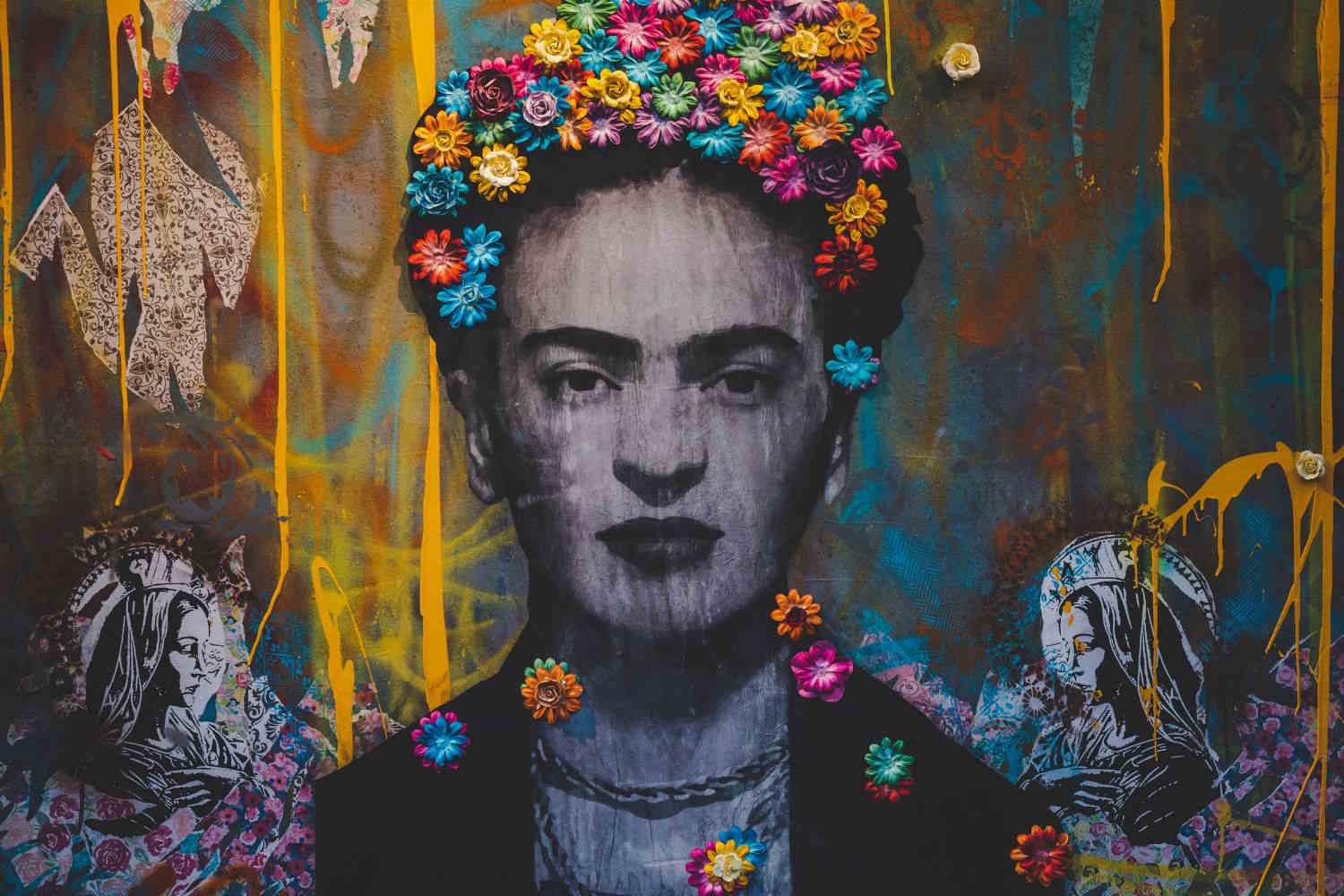
You are not alone. Indeed, you may be in excellent company. Kaminski cites characters like Frida Kahlo, Franz Kafka, Albert Einstein and George Orwell as historical examples of Otroversion. People who never let themselves be defined by a group, but have chosen to remain independent, often even at the cost of solitude.
Far from the logic of blind belonging, these thinkers were able to see collective fanaticism for what it was, long before the mass realized it. Othe with the other hand, he does not follow, observes. It does not oppose in principle, but evaluates everything independently.
In short, Otroversion is not a label, but a key to reading. If you’ve always felt different, maybe it is because you are not made to belong, but to understand. And in an increasingly divided world between “us” and “them”, this could be a precious resource.
You may also be interested in:
