
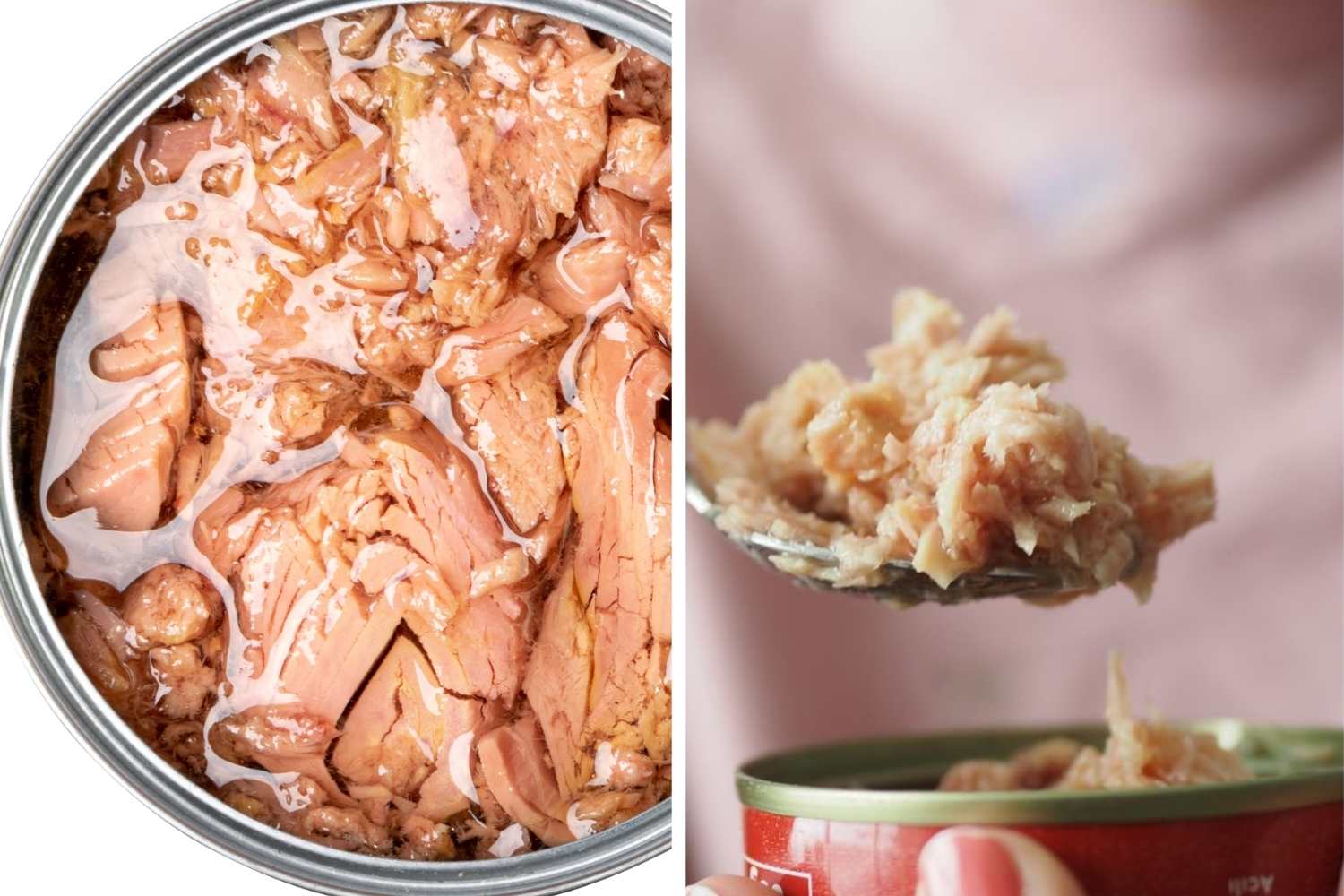
Opening a box of tuna is a simple and quick gesture, but what to do with the oil located inside? Throw it into the sink may seem the most comfortable choice, but everyone should now know that it is a serious mistake that compromises the environment and damages the purification systems.
So why not eat it? There are those who actually recommend it as it would be full of vitamin D and Omega 3, but according to two researchers from the University of Santiago de Compostela on The Conversationthe oil contained in the boxes may not be completely safe.
What the experts on the safety of canned foods say
Metal cans represent a widespread and generally safe conservation method, capable of maintaining intact flavor and nutrients for years. But behind their convenience, potential risks related to the presence of chemicals in the materials used are hidden.
The experts of the University of Santiago de Compostela, Antía Lestido Cardama and Lara Pazos Soto, engaged in the study on the coatings of cans, in collaboration with the Spanish agency for food safety and nutrition (Aesan), explain that these coatings often contain epoxy resins derived from the badge, a chemical compound connected to Bisfenol A (BPA), a well -known interferent. Endocrine.
Recall that the BPA has been definitively banned by all materials in contact with food in the European Union in 2025. The producers and users, however, have a transition period of 18 months (started in January 2025), with the possibility of obtaining limited derogations up to three years in cases where valid alternatives are not yet available.
It is important to point out that the BPA derivatives-such as the badge and the cycle-of-Badge-are still present in many containers and, which is decidedly worrying, they are not even regulated.
These compounds can migrate from the coating to the content even if the can appears intact and without dents. The phenomenon is particularly relevant in fat -rich products, such as tuna in oil or marinated, where contamination levels are higher than natural versions.
There is often talk of tuna, but the problem actually concerns many other foods packaged in metal containers. Ready dishes, seasoned legumes, vegetables in oil and other fat foods are in fact exposed to the same risk.
Finally, heating the foods directly inside the can – a common practice for example camping – can further increase the release of these substances.
The risks to health
Although the quantities detected generally fall within the safety limits established by the European authorities, it is important to consider cumulative exposure over time and through different sources, which can influence health, especially of the most vulnerable subjects as children and the elderly.
The endocrine interfering in the dairy coatings can in fact alter the hormonal system, contributing to metabolic disorders, negative effects on the reproductive system and other health problems.
But the problem does not end only with the presence of the contaminants: what matters is what our body actually absorbs. The studies of the Foodchempack research group have shown that the bioacasibility of these chemicals, that is, the quantity that can enter the circle in our body, increases when they are ingested with fatty foods. In addition, factors such as age, gastric pH and exposure frequency influence risk.
What can we do
In light of these evidence, experts recommend avoiding the consumption of the oil contained in the tuna boxes and to dispose of properly in the dedicated collection points. For a safer choice, it is preferable to opt for natural tuna or for the tuna preserved in oil, but in glass containers.
In addition, it is good to avoid heating the food directly in the can since the heat accelerates the migration of chemical compounds from the coating to food.
Finally, if you consume canned foods in high fat content, it is important not to make it a daily habit, to reduce the risk linked to the cumulative exposure over time to potentially dangerous substances such as the bisfenol derivatives are.
Don’t you want to lose our news?
