
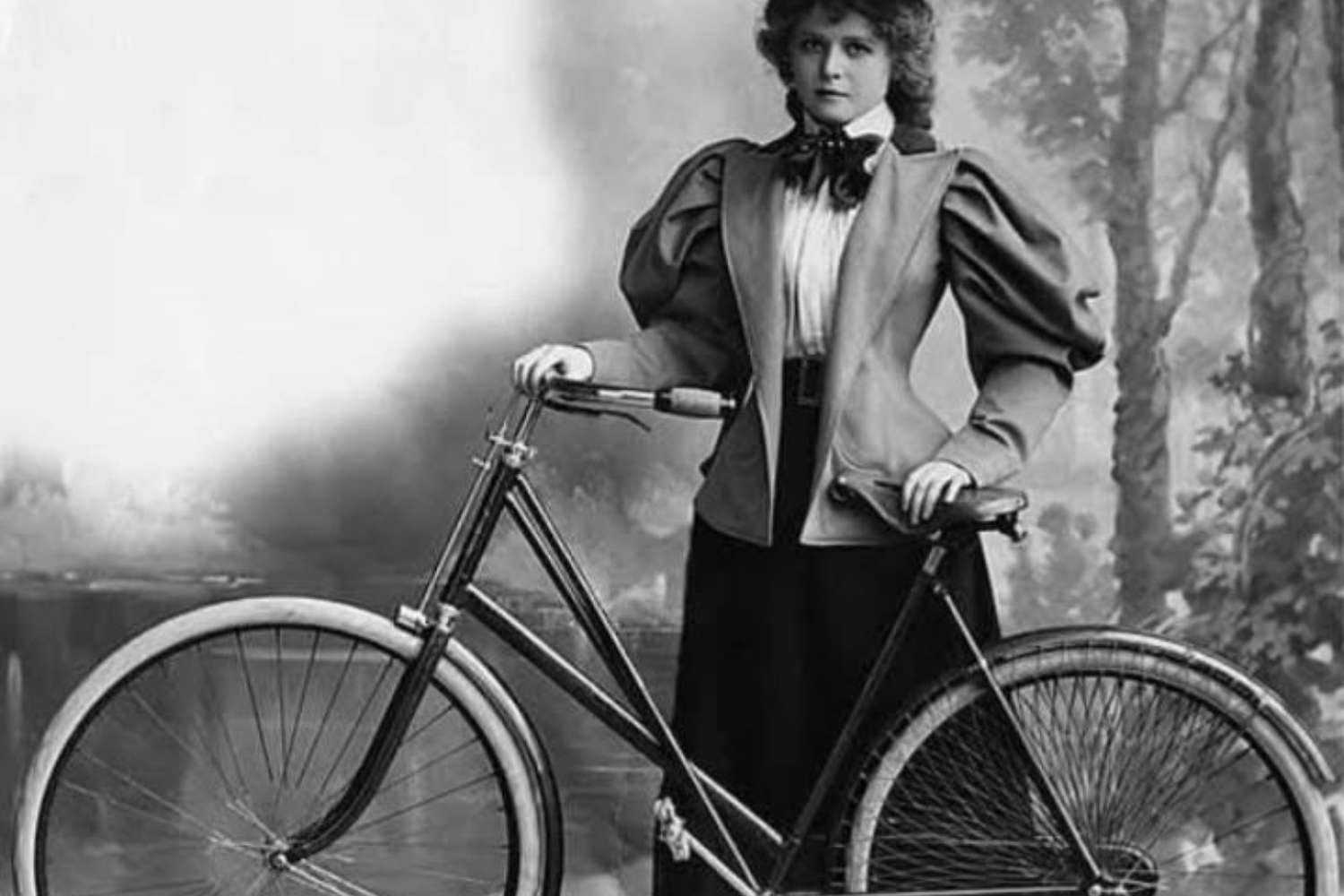
At the end of the nineteenth century, the bicycle it became a tool of great social transformation, especially for women. First look with suspicion and criticized for every gesture that would break the rigid patterns of behavior, many women of the time saw a concrete form of emancipation in cycling. In a world that wanted them confined to the house, the possibility of moving independently on two wheels represented one small daily revolution.
The first bicycle models, dating back to 1817, were rudimentary, but in a few decades the invention was perfected: around 1870 the pedals appeared and shortly after the equal wheels, equipped with chain to transmit strength to the rear wheel, making them safer and more accessible. However, initially only the High -class women They could afford these very expensive news.
The bicycle represented one for women form of freedom unprecedented: for the first time they could move without depending on a man. It is therefore not surprising that the fact of going by bike for a woman was initially welcomed with fierce resistance.
The codes of conduct of the time, in fact, they condemned any woman who attracted attention to public or proceeded quicklyconsidering these behaviors inadequate to the “good society”. The cyclists openly challenged these rules, arousing scandal and fierce criticism. Some, like Emma EDESeven physically attacked.
False beliefs and clothing difficult to use by bike
Another obstacle was the medical world, which spread false beliefs on the dangers of the bicycle for women. He supported himself, without any scientific basis, that pedaling could cause sterility or nerve disorders. These fears, artfully amplified, were part of a deliberate attempt to discourage women from appropriate spaces of freedoms traditionally denied.
Clothing also represented a challenge: tight bodies and heavy underwear They made even the smallest effort tiring. To meet practical needs, the Bloomerlarge pants designed to facilitate movement. However, those who wore them attracted new criticisms, with accusations of immorality.
Despite everything, women continued to pedal. They arose women’s clubs who offered a safe environment to travel, and businesses such as that of Annie Londonderrywhich in 1895 composed Around the world by bikeshowed that women were capable of extraordinary companies. At the end of the Belle Époquethe cyclist woman was now a family image. The bicycle had won: it was not only a means of transport, but a true symbol of emancipation female.
