
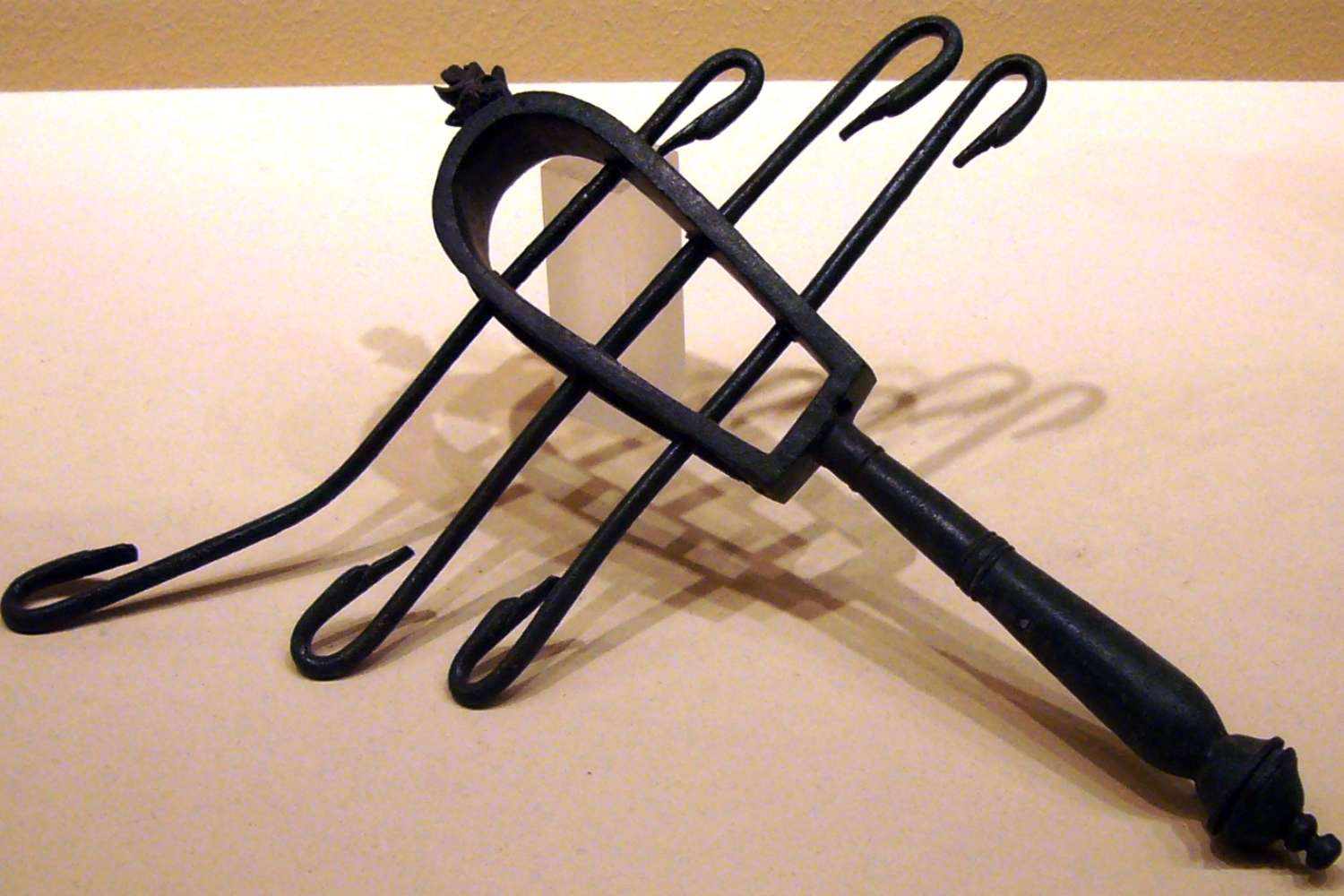
The sistrum it is one percussion musical instrumentoriginally from ancient Egypt, particularly associated with the cult of goddess Isis. This instrument has a simple but evocative structure: it consists of a metal frame, usually U-shaped or arc-shaped, with a series of transversal bars on which they are threaded. movable metal discs.
When the sistrum is shaken, the discs they vibrate and produce a characteristic sound, similar to a jingle or splash. The sound of the sistrum is not only pleasant to the ear, but also has a deep symbolic and ritual meaning.
In fact, in the Pharaonic era, the sistrum was mainly used in religious rites and in sacred ceremonies. Its sound was considered capable of ward off evil spirits and invoke the presence of the deities. In temples, it was often played during processions and celebrations in honor of Isis, but also other deities such as Hathor, the goddess of love and music. Priestesses, in particular, held the sistrum to create a sacred atmospherepromoting the connection between the human and divine worlds.
It was also a symbol of fertility and rebirth
The symbolic value of the sistrum was not limited to divine protection and invocation. It was also a symbol of fertility and rebirthassociated with natural cycles and regeneration. The act of shaking the sistrum represented the movement of the universe and the perpetual struggle between order and chaos. In some artistic depictions and sculptures, the sistrum appears in the hands of goddesses or pharaohsunderlining their protective function and their connection with divinity.
In addition to ancient Egypt, the sistrum has also been adopted in other Mediterranean and Near Eastern cultures. For example, it was used by the Greeks and Romans in religious ceremonies linked to the cult of Isis, which spread throughout the Hellenistic and Roman world. This instrument has even found a place in some African and Afro-American traditions, integrating itself into local rituals and musical celebrations.
Today the sistrum is no longer used in traditional religious practices, but its fascination endures. It is still employed in some modern musical contexts, both for its unique sonic qualities and its historical and cultural value. Contemporary artists and musicians use it to enrich their music with exotic and evocative toneskeeping alive the tradition of one of the oldest and most symbolic instruments in history.
