
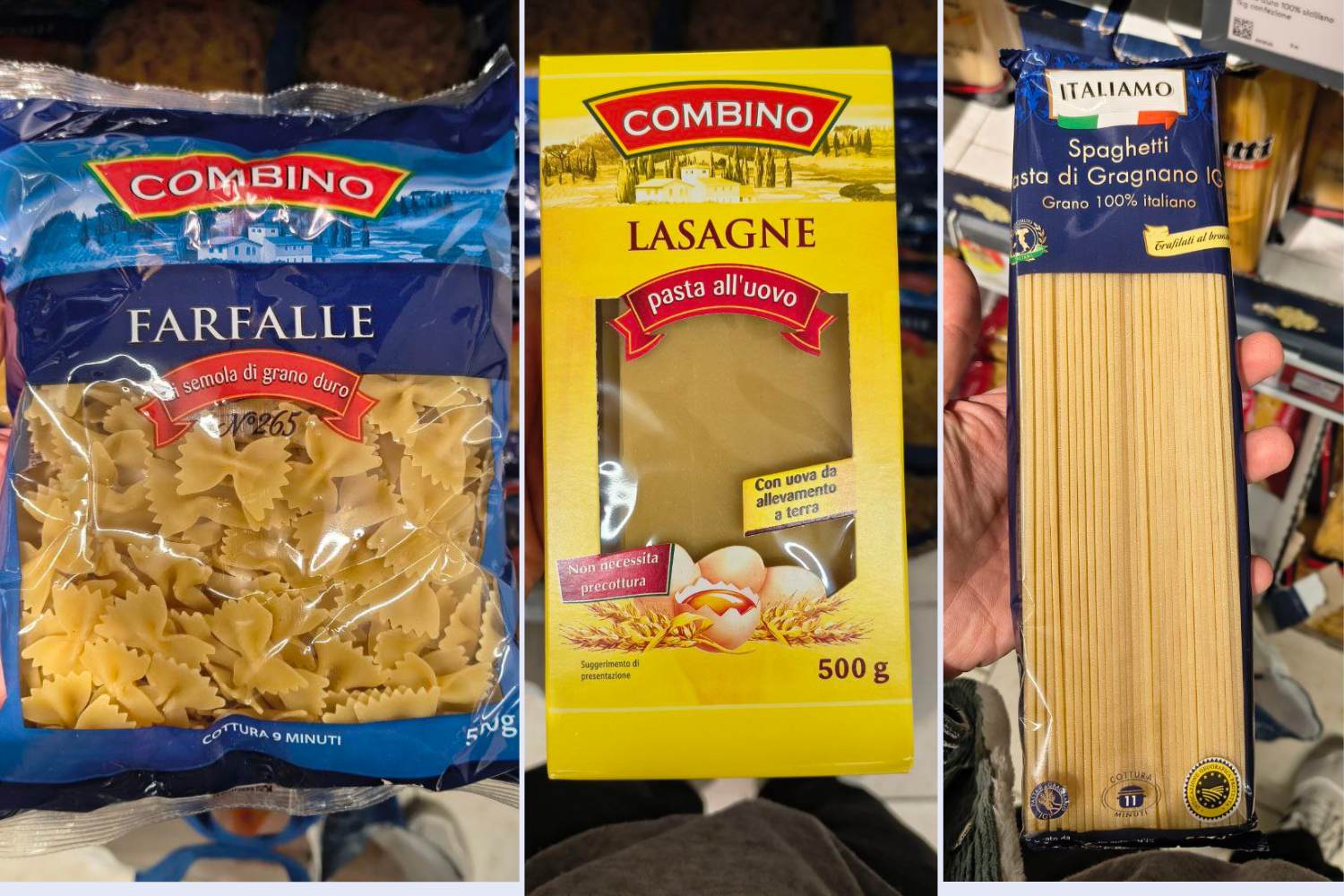
Pasta is one of those purchases that we automatically make at the supermarket: you take it, put it in the cart, pay for it and take it home. Few stop to read the back of the package. Yet thirty seconds are enough to discover that pasta is not all the same and that the grain it comes from can come from very different places. And this also applies to those who shop at Lidl.
We entered one of many Lidl Italia stores with a specific objective: to understand the origin of the wheat in the pasta products offered by the German discount store.
Origin of wheat: what the label really says
It’s not a question of parochialism. Those who choose pasta with 100% Italian wheat perhaps do so to support the national agricultural supply chain or for a simple taste preference. A legitimate request, which however requires some attention, in fact you must always read the label.
Since 2014, European legislation has obligated dry pasta producers to indicate the country in which the wheat was grown and where it was milled. The information is there, but it often appears in small print on the back of the package. That’s why it’s worth taking an extra moment before choosing.
But returning to Lidl’s pasta, here’s what we discovered.
What grain does Lidl pasta contain?
On the shelves of the well-known discount store, not all pasta is the same: each type – from classic to egg to premium references – tells its own story on the label, and the origin of the grain changes. Here are the three main ones.
Pasta Combino (classic line)
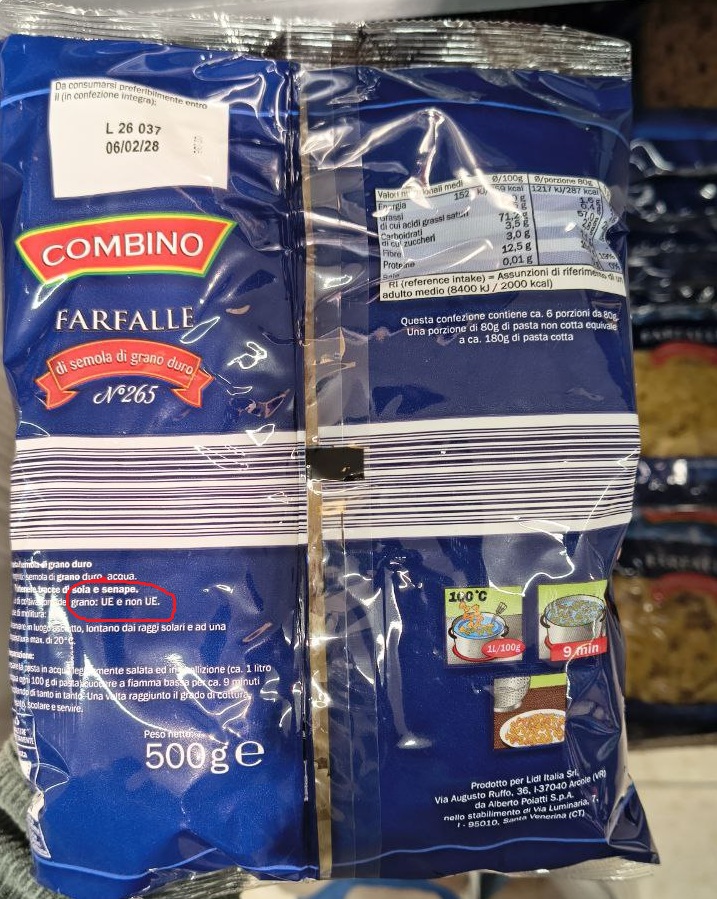
Combino brand pasta, which is Lidl’s main brand for basic food products, bears the words “EU and non-EU wheat“It is a broad and deliberately generic formula, which the law allows and which leaves the origin open to a vast range of producing countries.
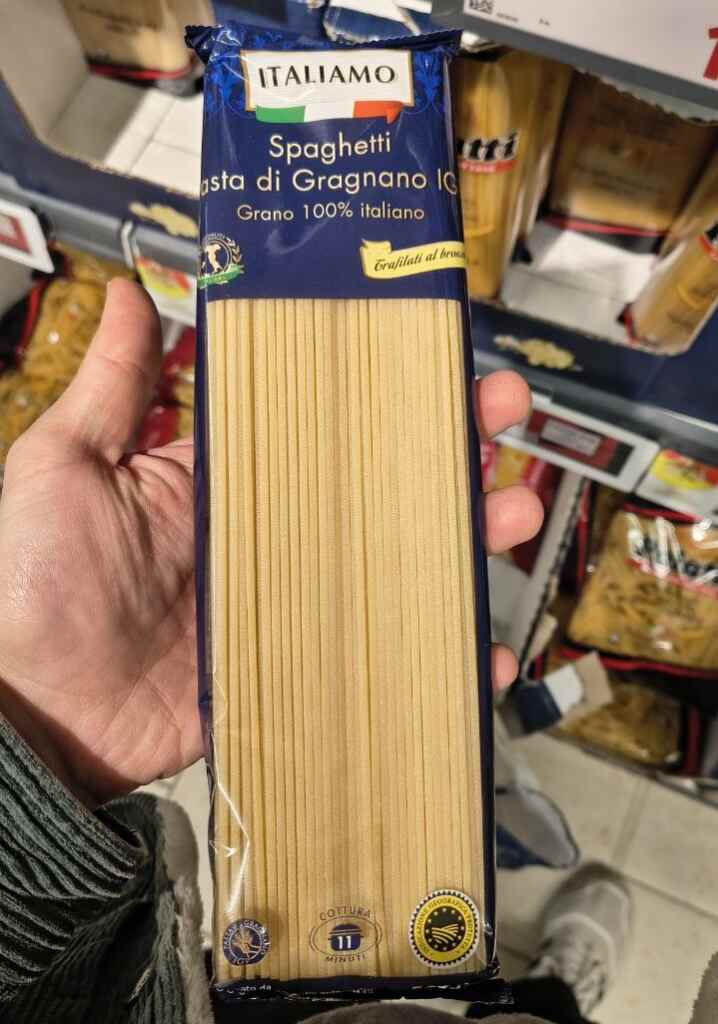
Gragnano PGI “Italiamo” pasta
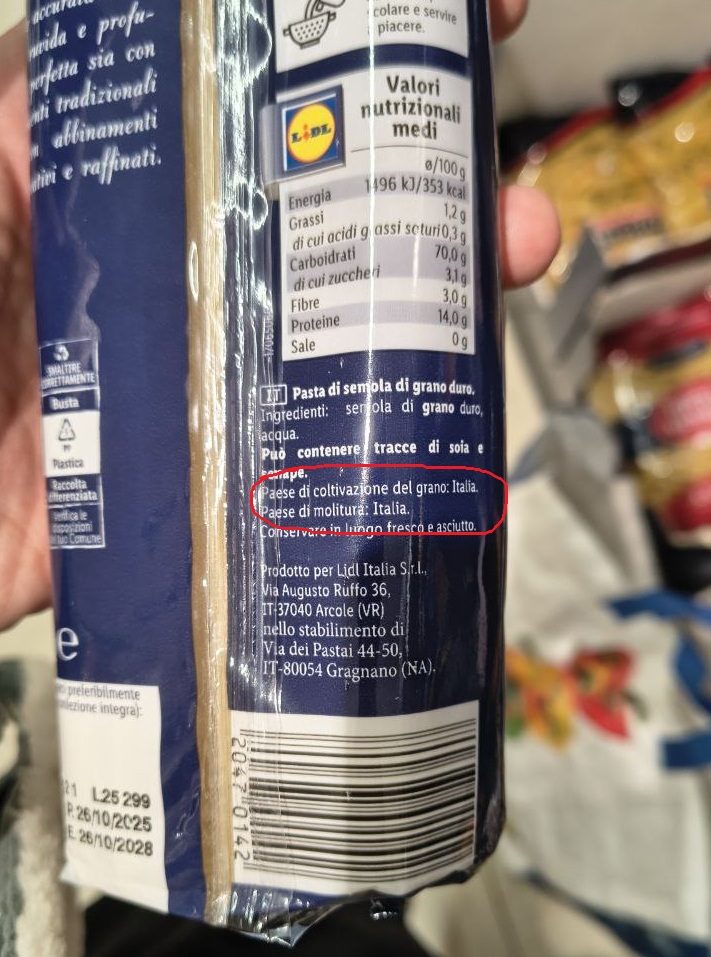
Here’s the surprise – or maybe not, for those who know Lidl’s Italiamo line. This pasta clearly bears the words “100% Italian wheat” on the label and is produced in compliance with the specifications of Pasta di Gragnano PGI.
It is Lidl’s response to those who do not want to give up the Italian nature of the supply chain, even when shopping at the discount store. The price is slightly higher than the Combino line, but remains competitive for a PGI pasta.
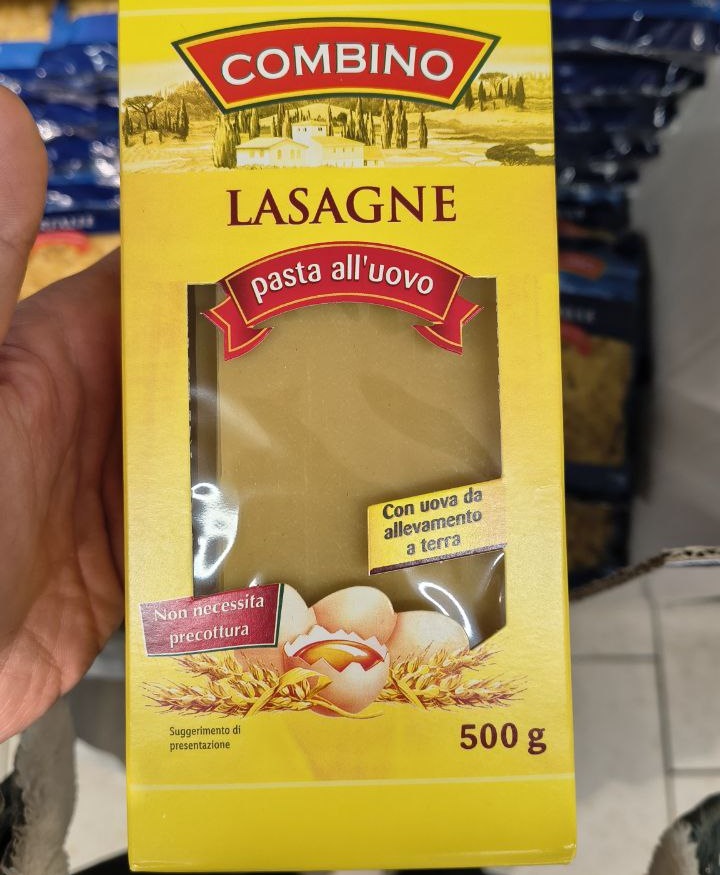
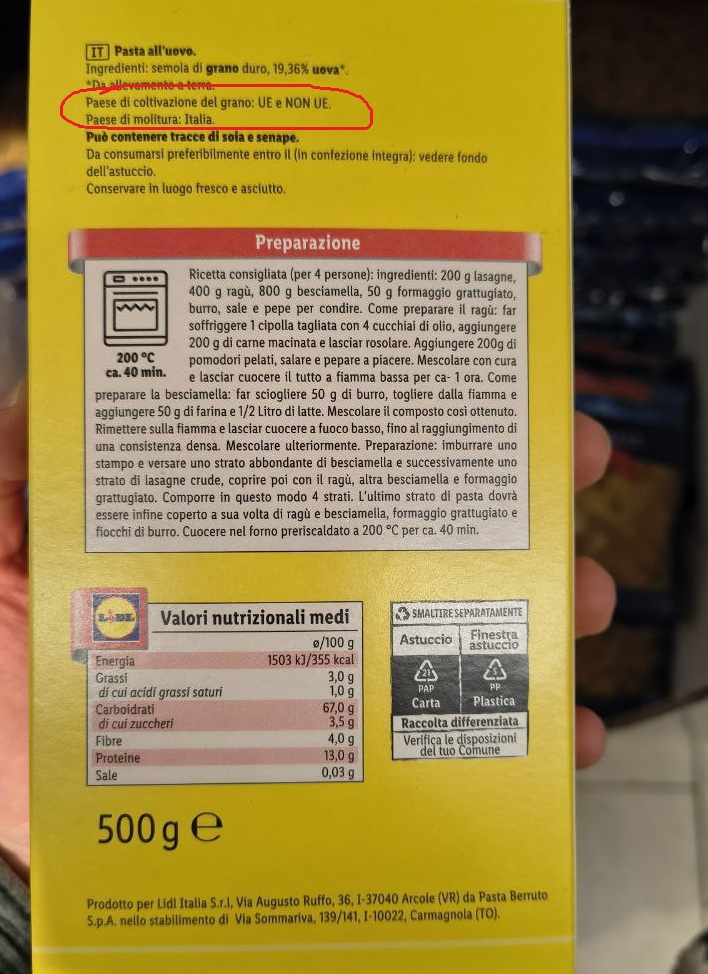
Combino egg pasta
Here the origin of the wheat is indicated as “EU and non-EU”. The wording concerns the durum wheat semolina used in the dough.
Always read the label
Regardless of the supermarket, be it Lidl, Esselunga, Coop or any other, the label is the most democratic and powerful tool you have at your disposal to make informed choices.
So look for the words “100% Italian wheat” or “Italian durum wheat semolina”, if you want to support the national supply chain. When you instead read “EU wheat”, the origin is European and may include France, Spain, Greece, Hungary, etc. but the country of origin is not specifically indicated.
Finally, “EU and non-EU wheat” is the most generic term of all. Wheat can come from anywhere in the world.
