

It is not an exotic fish and not even an fish variety with a curious name. The cod is nothing more than The result of an ancient cod conservation technique: salty, seasoned and ready to face long journeys and dilated times. In an era in which refrigeration did not exist, the salting of foods allowed to survive with a certain talent. Although omnipresent in Italian kitchens, the cod continues to be a source of misunderstandings and misunderstandings: one above all? That it is a fish itself. Nothing more wrong.
Cod or stockfish?
According to the Italian Ministerial Decree, the term “cod” refers only to Nordic gray cod (Gadus macrocephalus), preserved through salting and subsequent seasoning. On the contrary, The stockfish is Nordic white cod (Gadus Morhua) preserved for cold air dryingwithout the addition of salt. Different methods and consistency, for two gastronomic worlds aside.
Yet, in Northeast Italianand in particular in Veneto, Tradition also calls cod also what elsewhere is defined as a stockfish. The famous “Vicenza cod”, for example, is made precisely with dried fish, not salty. A linguistic habit that has its roots in the mercantile history of the Serenissima, when the Venetian routes led fish to the lagoon lying to dry in the Norwegian wind.
A long Atlantic route

The origin of the salting of the cod is intertwined with the route of the whales of the Northern Europe. Following the cetaceans to the coasts of the Labrador and the area of the large banks of Terranova, the fishermen found an incredible resource in cod. To preserve it, they adopted the same system that they already used for whale meat: abundant salt and patience. Since then, Iceland, Norway, Greenland and the Fær øer islands have become The major exporters of salty fishproviding thousands of tons every year to global markets.
In Italy, the cod has attracted for religious reasons – Lent imposed “lean” dishes – and also because The salting made it possible to transport the fish from the Atlantic to the Alps without risk of deterioration. Before consumption, however, it requires an obligatory ritual: a long immersion in cold water, often for several days, in order to eliminate excess salt and return the ideal consistency to the fillet.
Salted etymology
The term “cod” has a fascinating linguistic root. According to the most accredited hypothesis, it derives from the lower German bakkel-jauliterally “salty fish”, perhaps in turn deformation of bakel-jau“Hard as a rope”. Similar words exist in the main neolatine languages: Bacalao in Spanish, Bacalhau in Portuguese. In Germanic languages, however, the most widespread term is a derivation from Kabel-Jau, which directly recalls cod.
An Italian gastronomic heritage

Difficult to find an Italian region that does not have its own version of the cod. In Abruzzocook with onions, olives, potatoes and tomatoes; in Basilicatawith the famous Cruschi peppers of Avigliano. In Calabriabecomes the protagonist of the “Morzello” or the dish in Cosenza, while in Campania It is inevitable on Christmas Eve, fried and then “recycled” for the reinforcement salad.
In Liguria It turns into Brandacujun, stuck and served with croutons, while in Tuscanyit is at Livornese: floured, fried and then saved in the tomato. In Romagna it combines with stewed potatoes, in Lazio It is the crunchy soul of the Roman mixed fried fried food. In Sicily It is enriched with olives, pine nuts and raisins, while in Molise It takes the name of angrown cod, watered with crumb, cherry tomatoes and dried fruit.
And then there is the Trivenetomentioned at the opening, where the ancient Venetian influence causes “cod” continues to mean stockfish. Here the Cod to Vicenza and the creamedtwo authentic monuments of recovery cuisine.
A fish that is no longer just poor
Once defined “fish of the poor“, Today the cod He climbed upending up in the men’s menus, reinvented in modern forms but always with respect for its roots. Its rediscovery is also ethical: consuming salty fish, produced with ancient and natural techniques, means in many cases reducing the environmental impact, although concerns related to intensive fishing remain. The cod of the Atlantic, especially the Gadus MorhuaIn fact, it is part of the species in difficulty, according to Greenpeace’s red list.
Beyond the borders
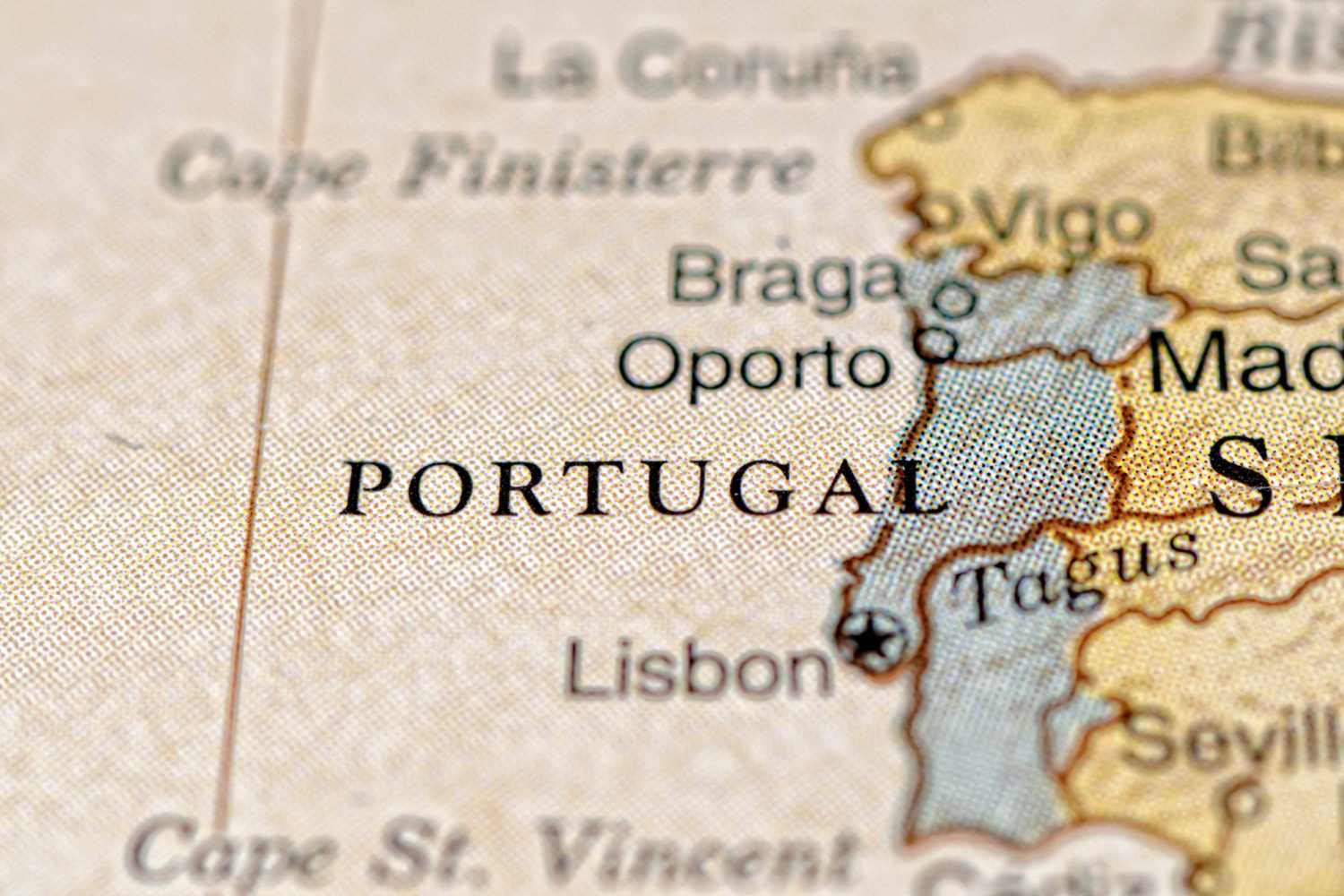
The cod, however, does not speak only Italian. In Portugalwhere it is almost a national religion, they say they exist Over a thousand different recipes for the famous Bacalhau. In Spain It takes the name of Bacalao and is the protagonist of dishes such as the Basque Gil-Pil or the Aragonese Ajoarriero. In Mexico It is prepared for Vizcaína during the Christmas holidays, while in Ecuador It is the base of the Fanesca. In Norway Become Luthefisk, fermented and served during the holidays.
