

When it comes to Italian cuisine, it is difficult to imagine a table without the presence, direct or indirect, of tomato. The undisputed king of summer, capable of giving genuine flavors and full colors, the tomato is declined in many different forms, each with a strong personality, utility and function. Past, sauce, sauce: terms that we use with ease, often overlapping them – erroneously! – But which actually tell different stories and perform distinct roles in our kitchens.
Know the Difference between puree and tomato sauceIn fact, it means better understanding how to treat tomato, and therefore avoiding a series of trivial errors that would risk ruining the preparation of a dish.
What really is the tomato puree?
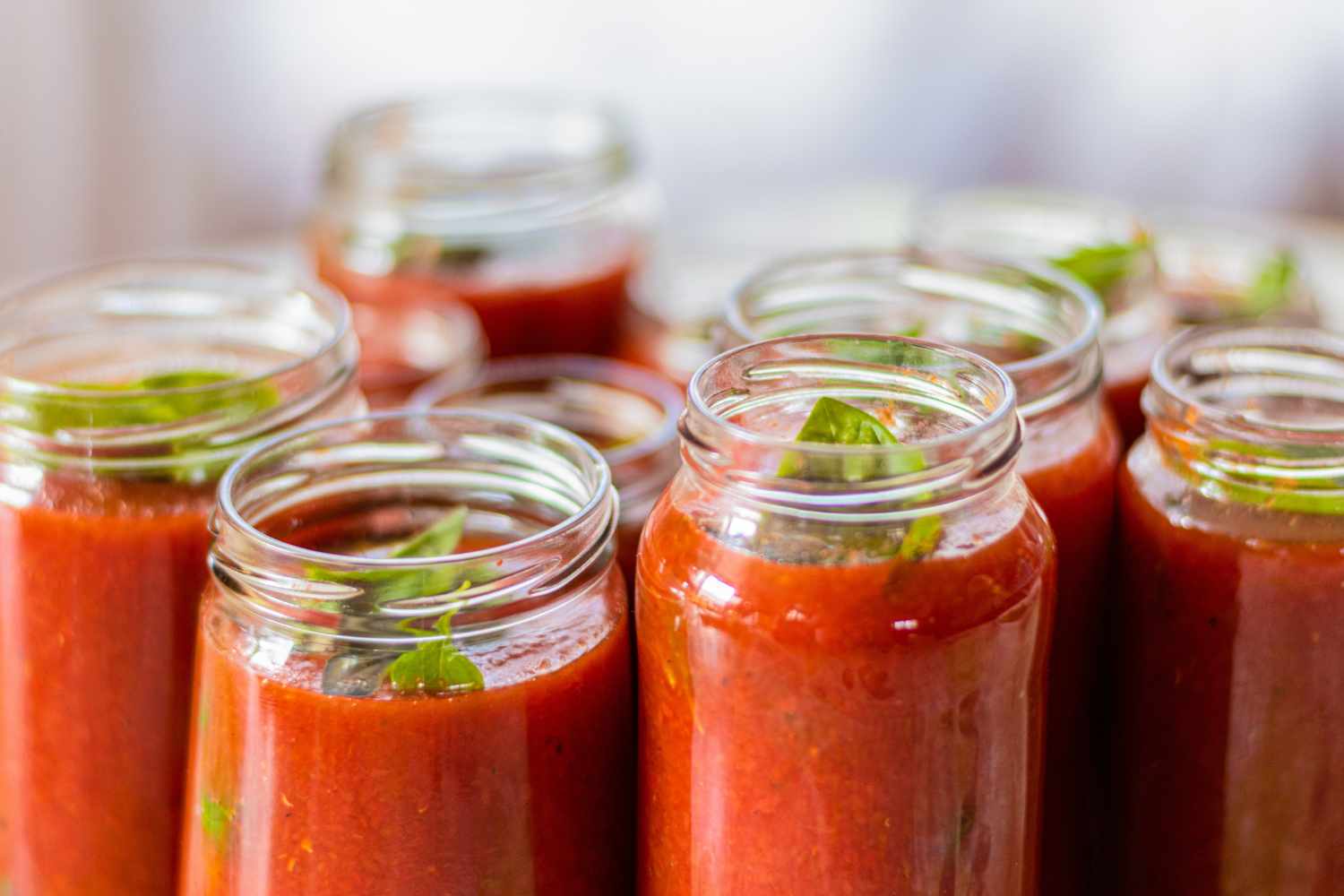
The puree is the purest soul of tomato. It is obtained by depriving the fruit of the seeds and the peel, often through a sieve or a bent, until a smooth and uniform mixture is obtained. Those who have origins in the South still remember the long summer days dedicated to the preparation of the passed, with the sterilized glass bottles and the hand -colored hands for hours. It is a tradition that smells of the family, with San Marzano tomatoes collected at the right time, burned, passed and bottled to ensure a flavor that knows from home even in the colder months.
The pass presents one fluid consistency and a natural and delicate flavorwhich maintains the fresh character of the tomato. Normally – if homemade – contains only tomato, sometimes with the addition of basil, while In products on the market, past can contain salt and, for conservation needs, citric acidwhich helps to maintain color and prevent the development of mold. It is a versatile base, perfect for the preparation of soups, creams and simple sauces, ready to transform itself with the addition of oil and aromas into something richer, without losing the identity of the fruit.
What is tomato sauce instead?
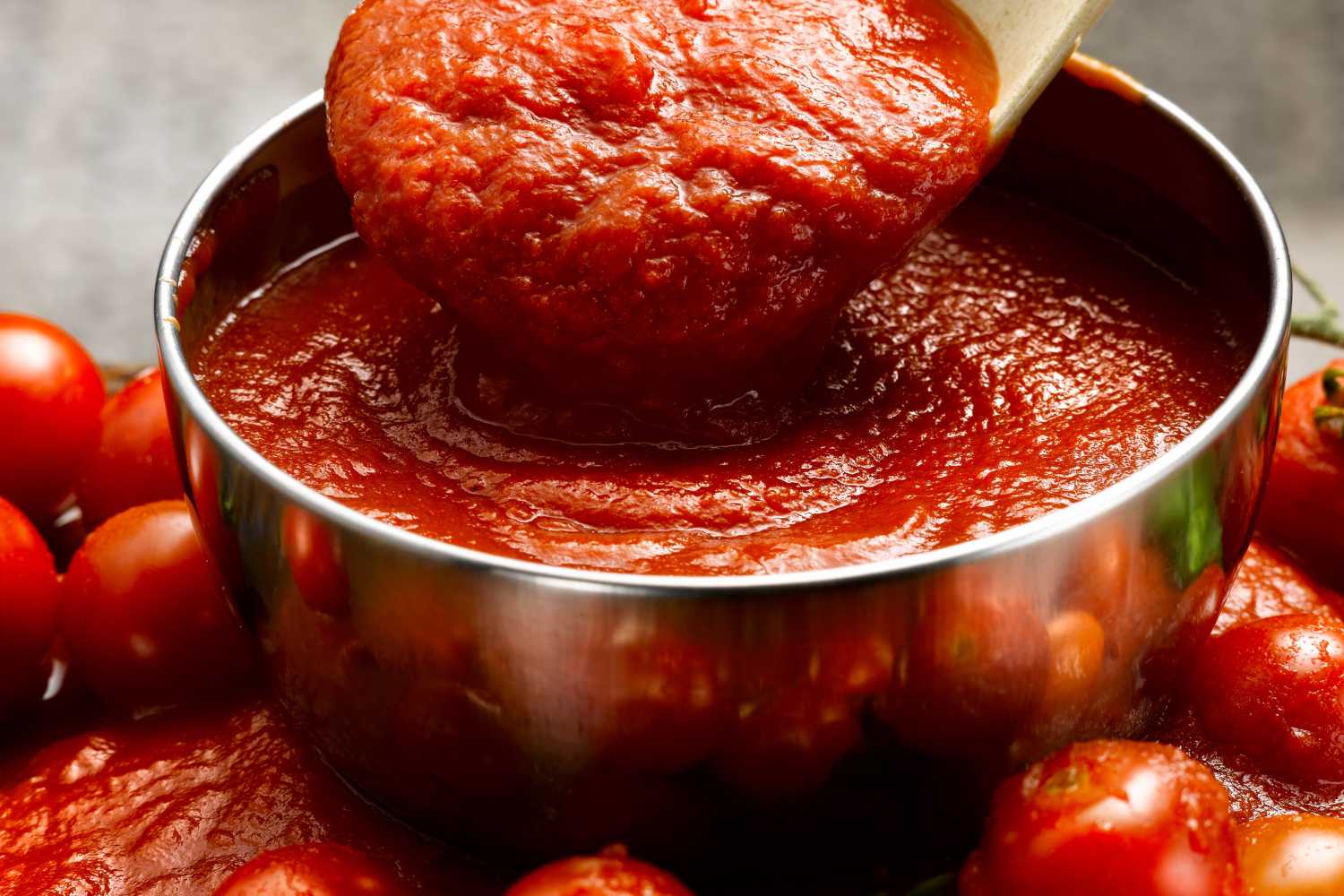
The sauce is a next step. According to the definition of the Treccani encyclopedia, the tomato sauce is A more or less dense sauce, prepared with tomatoes in pieces or past, cooked with or without the addition of oil, smells and spices. In the sauce, the tomato turns thanks to the cooking and the ingredients that accompany it: onion, garlic, celery, carrot, basil, chilli pepper. Every family, every regional tradition, has its own recipe. There are those who add a pinch of sugar to combat acidity, those who prefer quick cooking for a fresher flavor, those who opt for a longer time to obtain a dense and tastier sauce.
The sauce has one more full -bodied consistency than the pass and a more intense flavor. It is not just tomato: it is a real seasoningready to use to flavor pasta, lasagna, pizza and many other preparations. This is what we use to make Sunday pasta or to season pizza when you don’t want to use natural past.
The differences, in summary
The pass presents itself as a simple and pure base, without condiments and ready to become anything the cook wants. The sauce, on the other hand, is a finished product, a condiment that has already undergone a transformation thanks to the cooking and added aromas.
Past, sauce, sauce: what really changes?
At this point, a clarification is useful: the tomato sauce does not coincide with the sauce, which represents a subsequent step. The sauce was born from a tomato base (which can be sauce, past, fresh tomatoes, peeled) to which they come added other ingredientsoften protein or vegetable, to create a complete dish. We think of ragù, whether it is meat or vegetables, the amatrician or whore: each sauce has its own identity, with ingredients that define flavor and consistency.
And the pulp? And the peeled?
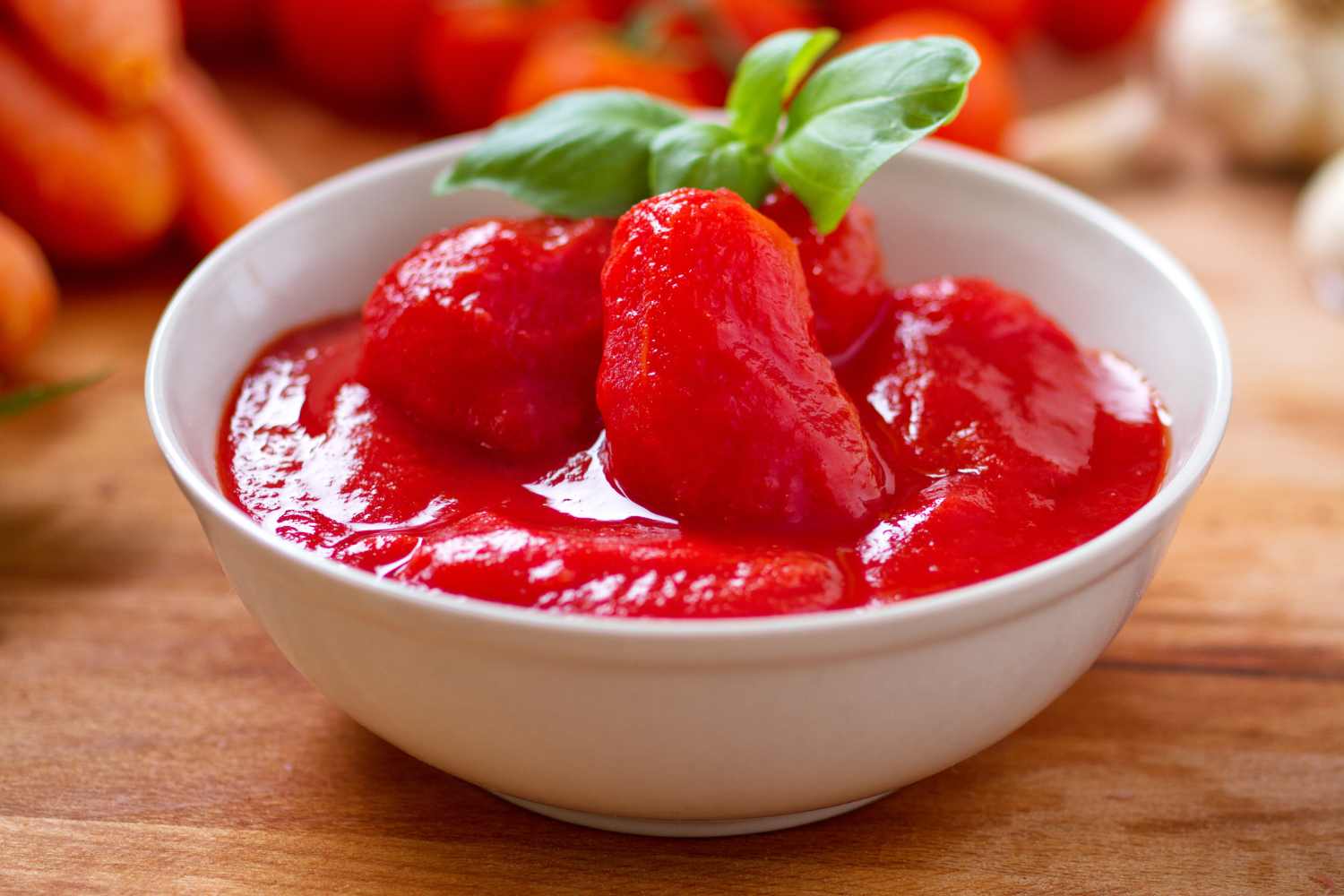
The world of tomato in the kitchen is vast and also includes the pulp and peeled, two forms of preserves that deserve clarification. The pulp is made up of pieces of tomatodeprived of peel and seeds, which maintain a more substantial consistency than the pass. The peeled, on the other hand, are whole tomatoes (often San Marzano), burned, peeled and stored in the jarimmersed in their juice. Both are used to prepare sauces, sauces and condiments in which you want to perceive the consistency of the fruit.
Because knowing how to distinguish really serves
Understanding the difference between puree and tomato sauce helps Choose the right product for the right recipeand avoid compromising both the consistency and the flavor of the dish. Using the pass when needed a simple base allows you to modulate flavors to taste, while the sauce allows you to save time when you want a ready and well balanced seasoning.
Enjoy your meal!
