
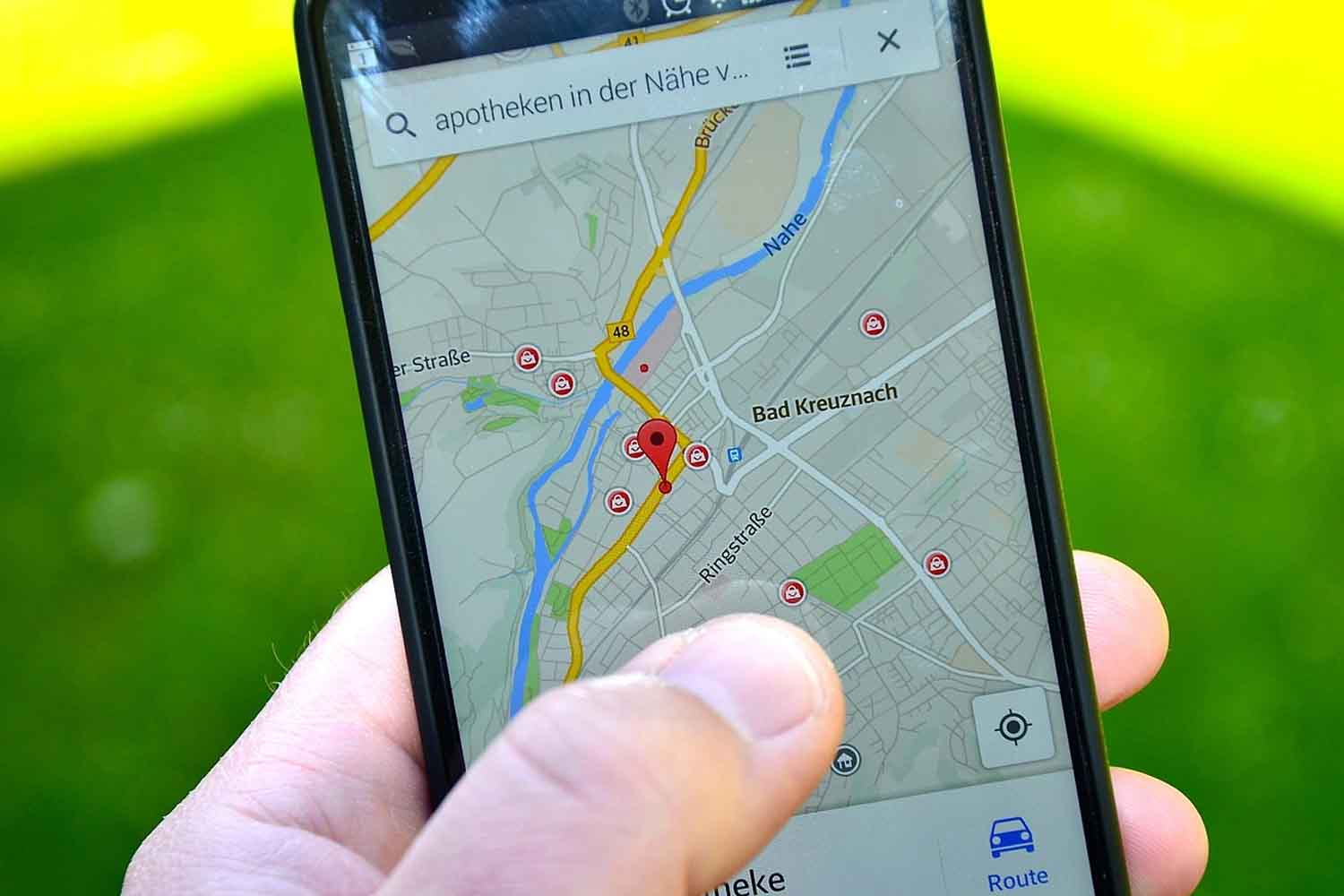
Many feel more peaceful at the helm when we have Waze, Google Maps or Coyote active on the phoneconvinced that these apps help us to Avoid speed camera and police checks. But there is a problem:, but in some cases Whoever ends up receiving more fines compared to those who do not use them at all.
A recent research conducted in the Netherlandssupported by a second study in Belgium, shows a surprising figure: 42% of men who use reporting apps receive finesagainst just 19% among those who do not use them. Even if the numbers refer to the Dutch context, the mechanism at the base is very similar to the Italian one.
And in Italy, you have to say it clearly: The law prohibits the position of radar and checkpoints with precision. The apps like Waze have adapted to the legislation, but. And often, blind trust in technology leads to dangerous distractions.
In Italy apps can no longer indicate the precise position of the mobile radar
From the January 2012in Italy a clear legislation is in force: Navigation apps cannot indicate the exact position of a mobile speed camera or police control in real time.
The law provides that they can only report “danger areas”which cover larger stretches of road and do not locate the precise point where the device is located.
This limitation has been introduced To avoid opportunistic behavior: Too many drivers slowed down only for a few meters, near the reported automotive, and then accelerate again. With the new rule, however, it is aimed at favor a more prudent and constant guide on the whole path.
The apps, therefore, have adapted:, but they warn the user who is entering one area where controls may be present.
It should also be remembered that It is allowed to report the fixed radarsbut Only if present in official databases and already visible with a special road signsas required by the Highway Code. It is instead Real -time reporting of mobile checks is prohibitedsuch as patrols with portable speed cameras or sudden checkpoints.
Blindly trust the apps can reduce attention
The data of the Dutch study speak clearly: those who use apps like Waze or Google Maps to try to avoid fines often ends up To lower the guard.
We rely on vocal signals too much, we believe you are always protected, and this generates a false feeling of security. But reality is very different.
Apps like Waze work in a way collaborative: It is the users themselves who report the radars and the controls. The system, however,. Just someone forgets to report a check, or that it does it late, and the mobile radar can hit without notice.
Furthermore, in the traits where the speed limit changes often – as areas of construction site or extra -urban roads – even a small mistake can trigger the flash.
Not only that. The new devices in use on Italian roads, but also infringements such as the use of the mobile phone driving, the non -use of the belts or the overcoming of the continuous line.
In short, today: you have to always drive.
And it is not uncommon that the vocal notifications of the apps are transformed into an element of distraction or anxiety: “Signalized danger! Mobile speed camera in the area!” – Continuous messages that, for some users, even become stressful. So much so that many choose to deactivate the voice guidein fact renouncing the warning function.
The advice? Use apps as a support, but not replace common sense
Apps like Waze they can be useful toolsif used with intelligence and without excessive trust. But, nor do they protect you from all possible infringements.
Furthermore, ignore the limitations provided for by Italian law can also expose to further penaltiesin the event that apps or devices are used illegally to avoid road checks.
There more effective strategyafter all, remains the simplest: respect the limits, pay attention to the road and guide with responsibilitynot to mention too much on the (partial) help of technology.
