
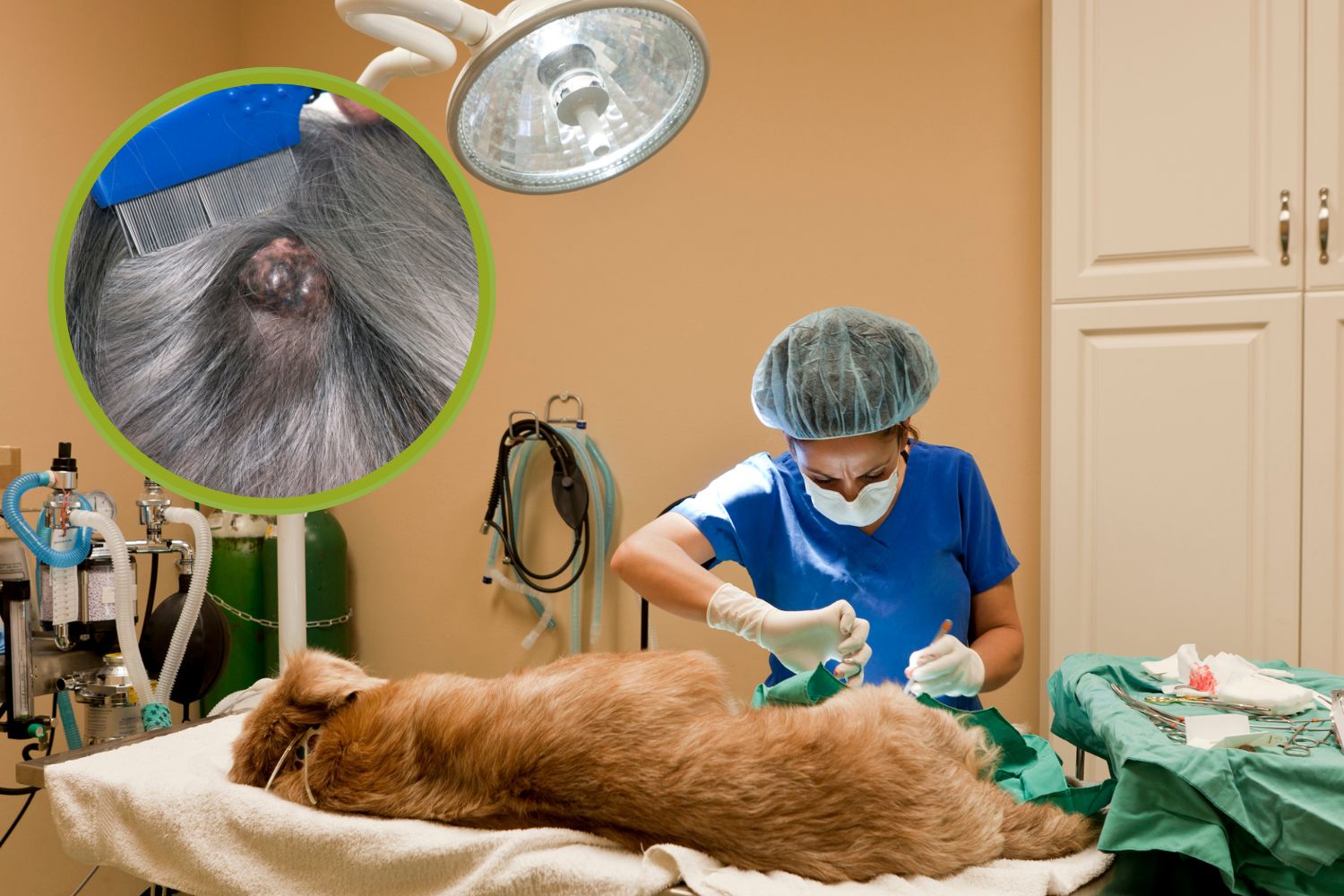
When you find out you have a dog with tumor there would be some things, as owners, not to be done absolutely. And this is that you decide to take the path of chemotherapy, radiotherapy or palliative care. Unfortunately it is a fact that more and more dogs (and cats) develop tumors.
Among the reasons given, as also underlined in this study published on Pubmed, there is certainly the fact that, thanks to the care and better nutrition, we have extended the life of our pets. Which had, however, as the downside of the medal, the fact that they have more time to develop neoplasms.
Dog with cancer: things not to do
We know that when at your own dog is diagnosed with a tumorthe world collapses on him. Many owners are panicked and pass by or not knowing what to do and don’t act promptly to wanting to do everything immediately. Both, however, are wrong. Sometimes, in fact, it happens that the choices of the owners, even if made with the best intentions, end up worsening the clinical situation of their animal.
That’s why, therefore, there are some Things not to do if you have a dog with cancer:
- : taken from anxiety and agitation, sometimes the owners, worried by the side effects of chemotherapy, decide not to take that road and, perhaps, rely on alternative therapies or palliative care. But seeing the animal quickly worsen, they return to their steps and want to take chemotherapy. Or vice versa: chemotherapy begin, then they decide that they no longer want to do it, they dedicate themselves to palliative care, but these do not improve the situation, then they move on to alternative treatments … all this jumping does nothing but worsen the clinical state of the dog. What we should do is decide to follow a road and go through it to the end, for better or for worse. You cannot jump from one protocol to another. And above all if you decide to take the path of chemotherapy, immediately approach an oncological path, not in the end when the dog is terminal by now
- Or the oncologist: sometimes, in an attempt to improve the conditions of the dog, the owners begin, of their heads, to give the dog drugs, supplements, vitamins, natural products and that he has more. The problem is that they do not realize that all these products, even the apparently more natural and harmless ones, can have negative interactions with the drugs prescribed by the veterinarian or the oncologist. Sometimes they are harmful, they worsen the situation and there is also to be considered that natural supplements and products are not without side effects
- Avoid overflowing the dog: Many dogs, due to cancer or therapies, have a reduced appetite and lose weight. The temptation, by the owners, is to start or above the dog or to administer foods not suitable for the canine species. The result? Not only will the dog lose weight, but will develop forms of vomiting and diarrhea that worsen the patient’s clinical state. In addition, you could trigger latent pathologies that add up to all the other dog problems (read also: diarrhea in the dog, a single problem for many causes (I am a veterinary and I’ll explain them to you)))
- : especially when the dog reacts well to chemotherapy, the owners seem to forget that the dog has a tumor and here they start treating it as if he had no pathology. From an emotional point of view it is there, but physically speaking a dog with cancer and under chemotherapy it should limit useless stress and fatigue. It could have a low white blood cells and being more susceptible to infections: bringing it every day to the dog park is not a brilliant idea. Avoidable stress also limited: do not administer too much food or unsuitable foods, if the dog shakes when you have guests avoid mega parties at home, do not plan long trips, temporarily avoid the stress that a toilet can induce in some subjects …
- Forget to follow the veterinarian’s indications: If the veterinarian veterinarian or oncologist have prescribed that drug with that dosage and frequency, there is a reason. You cannot change dosage or frequency of administration for convenience because, well that it goes, you will frustrate the effects of the drug. But badly you would cause side effects. Ditto say if the vet tells you to collect urine and dogs of the dog under chemotherapy with gloves or keep it away from children and the elderly: it is not badness, but only the fact that some chemotherapy drugs or some forms of radiotherapy can cause residues in urine, stool and secretion that must not come into contact with people or who could pollute the garden
- : the controls and exams are fixed for a specific reason. By their very nature, chemotherapy drugs can cause different alterations to be borne by blood or can have side effects. Those tests are established with that cadence precisely to monitor the possible appearance of these alterations, in order to remedy it immediately. If you skip the controls, put the dog’s health at risk
What are the most common tumors we see in dogs?
As for the More frequent tumors diagnosed in our dogsthis study published on Pubmed and referred to the Swiss canine tumors register, had drawn up the ranking of the most frequent neoplasms in dogs:
- lipomas
- mastocytomas
- tumors of the skin annexes
- Mixed and stromal complex neoplasms
- adenomas and adenocarcinomas
As regards, however, the main ones Tumors appearance seatshere they are:
- skin
- soft fabrics
- mammary gland
- Unknown sites
- lymph nodes
Instead this study concerning the animal tumors of Genoa, for example, estimated that these were the main tumors that appear in ours female dogs:
- breast tumors
- lymphoma
In the maleon the other hand, the most frequent cancer was:
- lymphoma
- skin tumors
And in clinical practice? Well, this varies depending on the structure. In my case, for example, many lipomas are diagnosed, mastocytomaslymphomas, mammary tumors, adenomas and adenocarcinomas and emangiosarcomas against the spleen.
They could also be interested in:
