
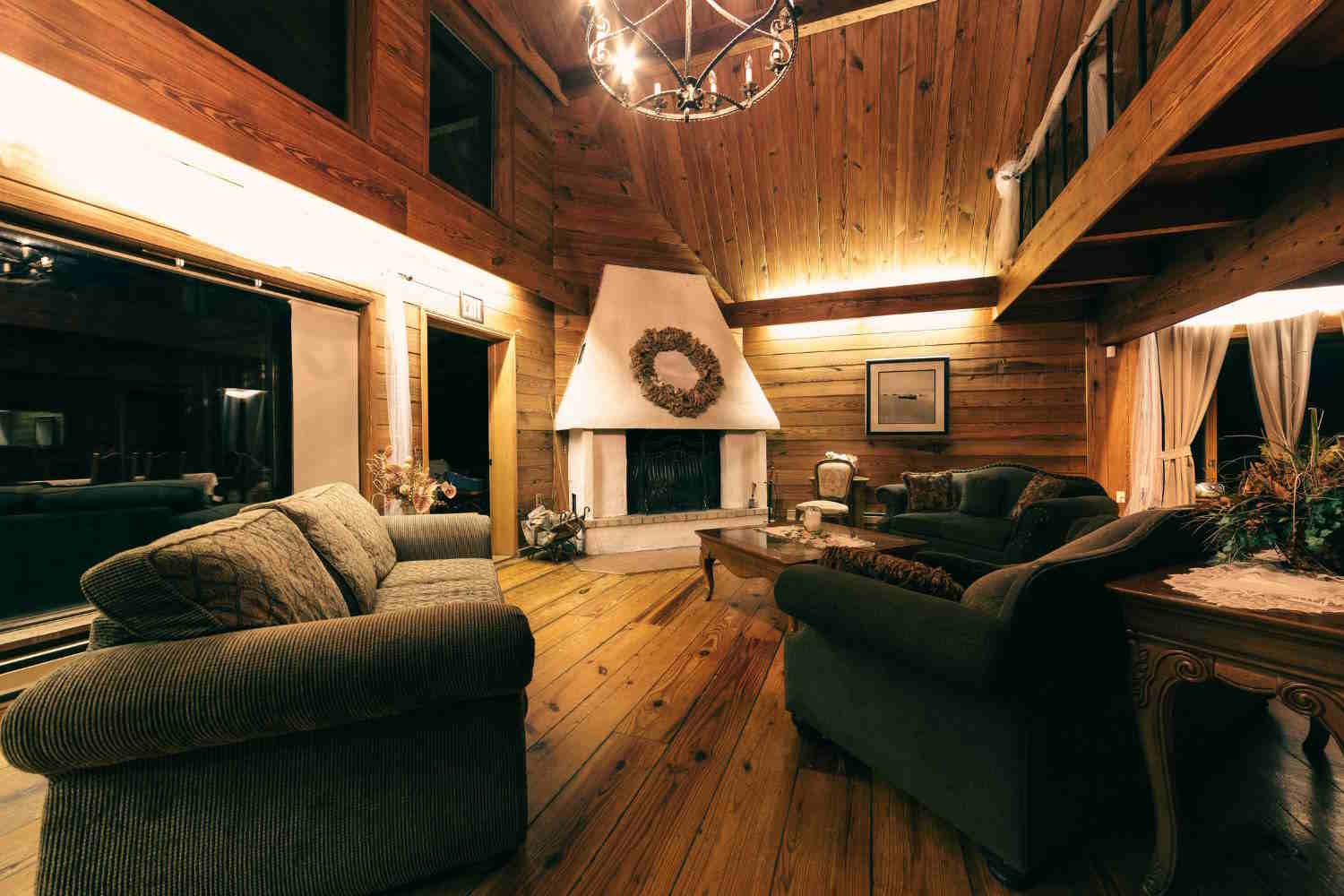
Light is today an active element of furniture, a factor that influences psychophysical well-being and a key tool for energy management. This evolution was made possible by two converging innovations: the intrinsic efficiency of LED technology and the intelligence of control systems. Lighting offers for the home and advantageous tariffs are certainly an important starting point, but it is the radical reduction in waste, enabled by these technologies, that generates the most significant savings and defines modern living comfort.
The technological revolution of LED
The widespread diffusion of LED (Light Emitting Diode) technology marked the end of an era, the one dominated by incandescent and halogen light bulbs. The primary benefit of this transition is energy efficiency. Unlike its ancestors, which dispersed most of the energy consumed in the form of heat, LED technology converts almost all the electricity absorbed into light. This translates into a reduction in consumption, which can exceed 80% for the same luminous flux emitted. At the same time, the lifespan of an LED device is longer and this not only reduces maintenance and replacement costs, but also generates a significantly lower environmental impact in terms of waste produced.
Lighting becomes intelligent
If LED provided the hardware for efficiency, home automation provided the software for intelligence. “Smart” lighting arises from the connection of LED devices (bulbs, strips or spotlights) to the home network, via protocols such as Wi-Fi, Bluetooth or Zigbee. The traditional wall switch, while remaining present, ceases to be the only point of control. Management moves to digital platforms: smartphone applications, voice assistants and environmental sensors. This step enables functions that were once unthinkable: it is possible to turn on, turn off or adjust the light intensity remotely, even when you are away from home, simulating for example the presence of people for deterrence purposes.
Creating scenarios for well-being
The true potential of intelligent management lies not so much in the convenience of voice control, but in the possibility of managing the quality of light. Modern systems allow you to create “scenarios” or “moods”, i.e. pre-set configurations that adapt the lighting of the environment to the activity carried out. A “Cinema” scenario will be able to dim the main lights and activate only a soft accent light, while a “Studio” scenario will adjust the desk lighting to a cold color temperature, which promotes concentration. This flexibility also allows you to program the lights according to the circadian rhythm: a simulation of the sunrise in the morning, with a light that gradually passes from warm tones to colder tones, helps a more natural awakening.
automation at the service of savings
Finally, the intelligence of the system translates into energy savings that go beyond that already guaranteed by the LED. Automation allows you to eliminate waste due to forgetfulness. The integration with motion sensors, for example, means that the lights in passage areas (such as corridors or bathrooms) turn on only when they detect a presence and turn off automatically after a pre-set time. Likewise, brightness sensors can adjust the intensity of internal lights based on the amount of natural light coming from the windows, maintaining a constant level of comfort and avoiding unnecessary electricity consumption during the day. Smart management thus transforms light from a fixed cost into a dynamic and optimized resource.
