
Empty pumps from north to south
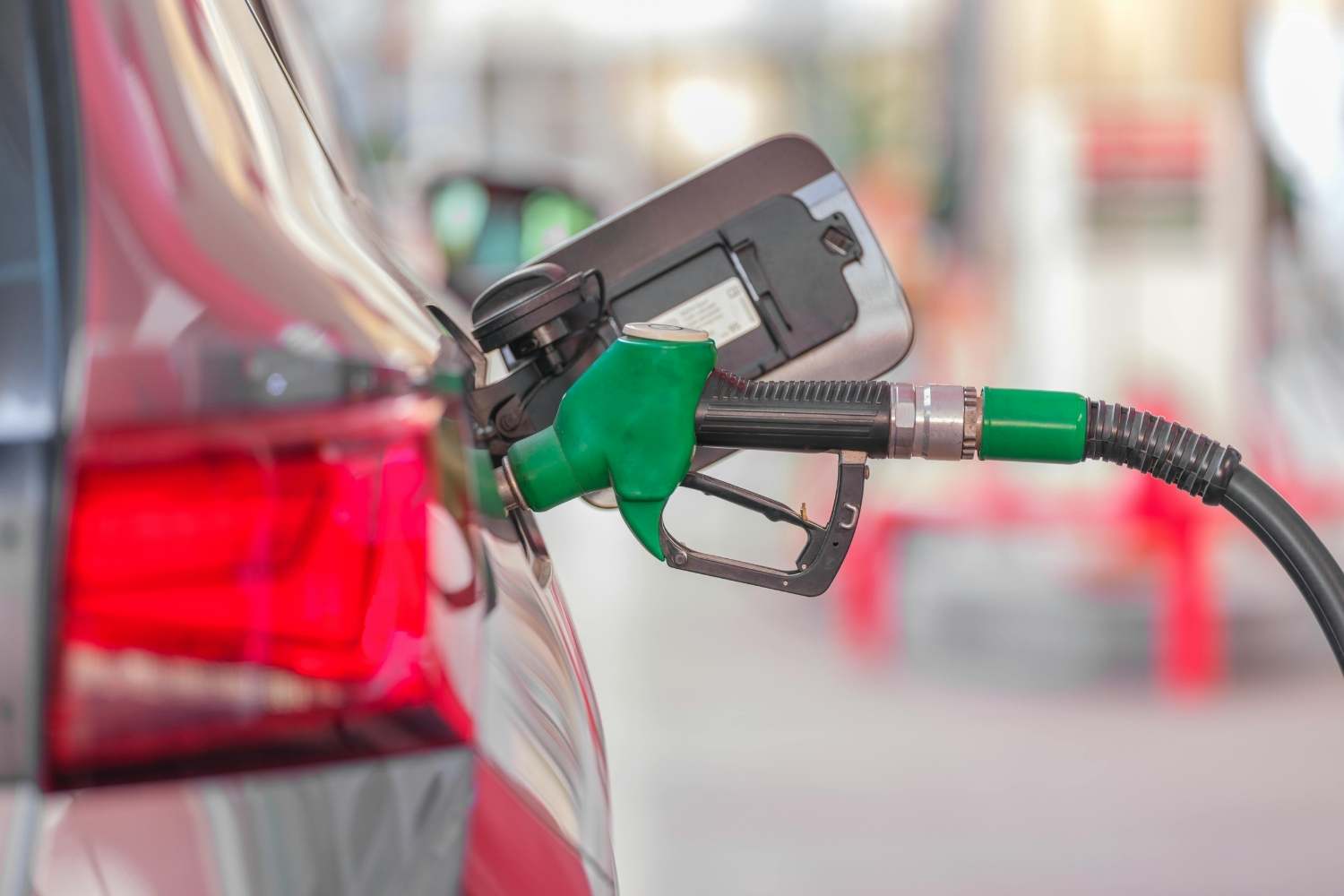
In recent days something unusual has been happening along Italian roads: closed petrol stations, signs saying “out of petrol”, queues and motorists driving around in search of a refueled station. The phenomenon extends from north to south without geographical distinctions. In Conegliano, in the province of Treviso, on March 24 a distributor ran out of petrol, diesel and diesel, while four nearby plants charged prices that fluctuated between 1,679 and 1,748 euros per liter for petrol and between 1,985 and 2,078 for diesel. In Como, on Sunday 22 March, several pumps in the stadium area had already run dry. In L’Aquila, again on Sunday, five Eni petrol stations were closed due to running out of fuel. Similar reports also came from the province of Rome, reported directly by our readers.
View this post on Instagram
Why it happens: It’s not a shortage, it’s a rush
It is important to clarify this immediately: there is no real lack of fuel in Italy. Supplies continue to arrive regularly despite the crisis in the Middle East and national stocks are sufficient to guarantee continuity of distribution. The problem is another. The excise duty cut introduced by the Government has pushed motorists to concentrate on the cheapest systems, emptying their stocks in just a few hours. Whoever arrives later finds the sign. The imbalances are local and temporary, but real.
The discount that is worth less than it seems
The decree of March 18 provides for a cut in excise duties of 20 cents per liter which, with VAT, is theoretically worth 24.4 cents in savings. In reality, Italian motorists were left with just over 12 in their pockets. It is not just the fault of the volatility of oil, which remained around 100 dollars a barrel after the flare-ups above 115 in the wake of tensions between the USA and Iran. There is something more structural, and the Ministry’s numbers document it.
The price trick: Mimit data
Out of over 92 thousand prices surveyed daily by Mimit – service stations multiplied by type of fuel and delivery method – over 41 thousand plants recorded a change both on 18 March, the day the decree was launched, and on the 19th, when it came into force. Of these 41,593 variations, 23,226 were upwards. More than half of the pumps had increased their prices just before the discount, only to lower them the following day under pressure from the ministry. The mechanism is reminiscent of that of sales: the price list is raised first, it is lowered during, and the final saving is much lower than the promised one.
A difficult system to control
What makes everything more complicated is the very structure of the provision. Unlike what happens in other European countries, where discounts are applied directly to the consumer at the time of payment, in Italy the reduction in excise duties acts upstream on the formation of the price. This leaves companies and managers with ample room for maneuver, while the burden of control falls on the Guardia di Finanza in a free market, without a single reference parameter beyond the disputed national average price.
The discount is about to end
The measure is temporary by definition and the countdown has already started. The excise duty cut is worth 20 cents, but in just two days diesel had already risen by 16, eating up almost the entire benefit. When the decree expires, the real risk is that we will find ourselves back to the starting point, or even beyond, without anything structural having changed in the meantime.
From Slovenia, a sobering precedent
While Italy is anxiously managing a temporary discount, a signal arrives a few kilometers from the north-eastern border that Europe cannot ignore. Slovenia has become the first country in the European Union to introduce direct limits on fuel supply, bringing rationing into the routine management of the energy crisis. The objective is to stabilize distribution and protect reserves in a context marked by the rise in crude oil prices and international tensions. The Slovenian case introduces a precedent within the borders of the Union and reminds us that, when markets are not enough, governments can – and sometimes must – intervene in a much more direct way than a few cents discount on excise duties.
