

Eating well is not a luxury, or at least it should not be, since there are saving and health at stake, elements not to laugh.
These days the supermarket, or rather, the prices of the supermarket, seem to say the opposite: the trolley is filled with little, the expenditure rises with too much, therefore what to do? Give up the quality? Rely on junk food? No thank you. The good news is that there is a middle ground, a virtuous path that passes through awareness, crosses the planning and arrives in the kingdom of intelligent choices. Here are 8 concrete tricks to eat healthy without fainting.
Make a list and respect it (as it was sacred)
It seems trivial, but the list is the first step in not falling into the trap of useless “offers” and impulse purchases. Before going out, open fridge and pantry, check what is missing and write only the indispensable. Enter the supermarket with clear ideas: no deviations, no “maybe I’ll take it”. Your wallet will thank.
Plan the meals of the week

Those who improvise, spend, those who plan, save. Ten minutes, once a week, to decide what you will cook. The advantage? Avoid waste, use everything you have at home and buy only what you need. And maybe, you can also vary the diet.
Choose seasonal fruit and vegetables
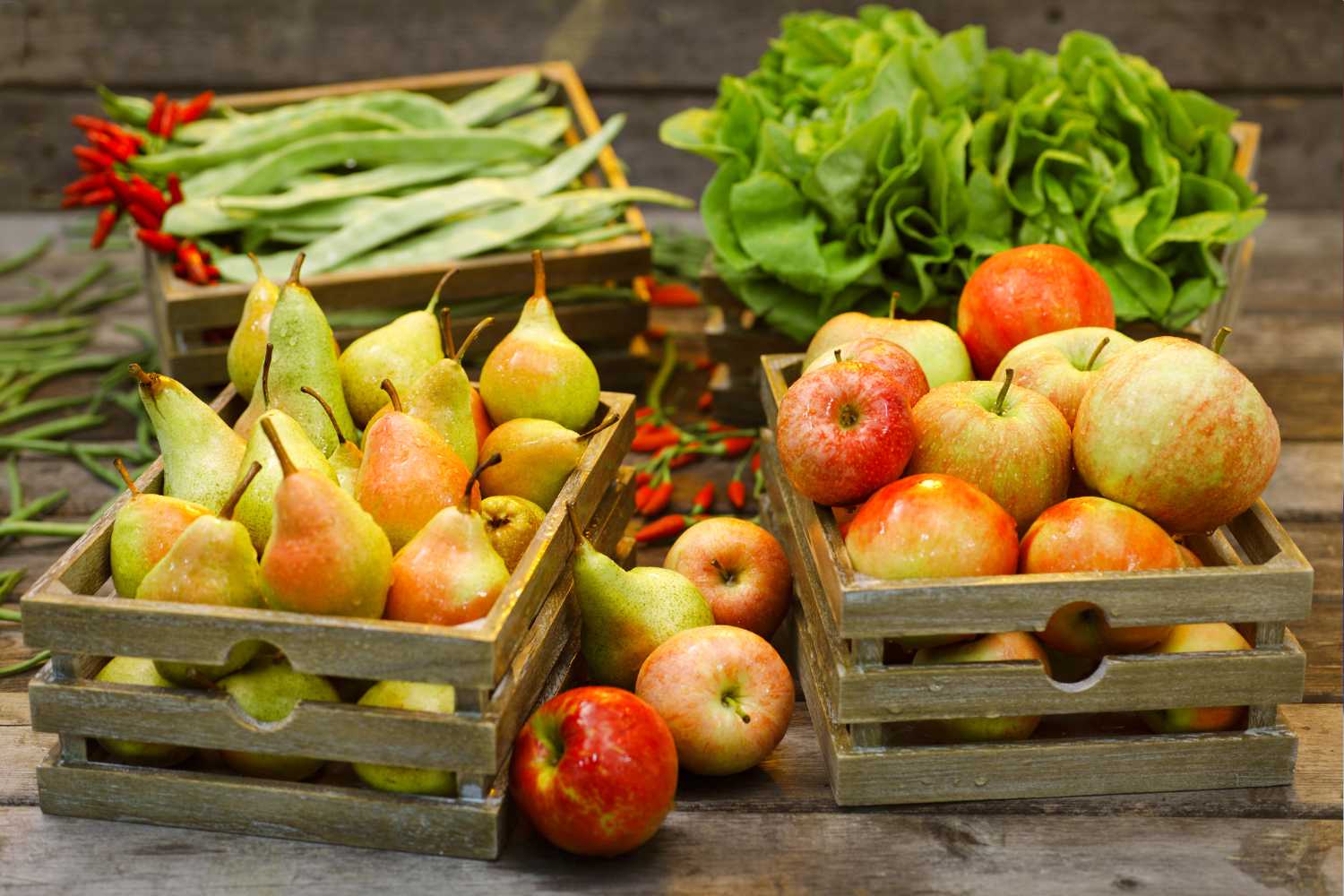
A question of flavor, certainly, but also of wallets. Seasonal products cost less, are richer in nutrients and are good for the planet. Tomatoes in December? Let it go. Better cabbage and oranges, which cost half and have not crossed the ocean. In addition to economic savings, there is the environmental one.
Buy in the local markets or directly from the manufacturer
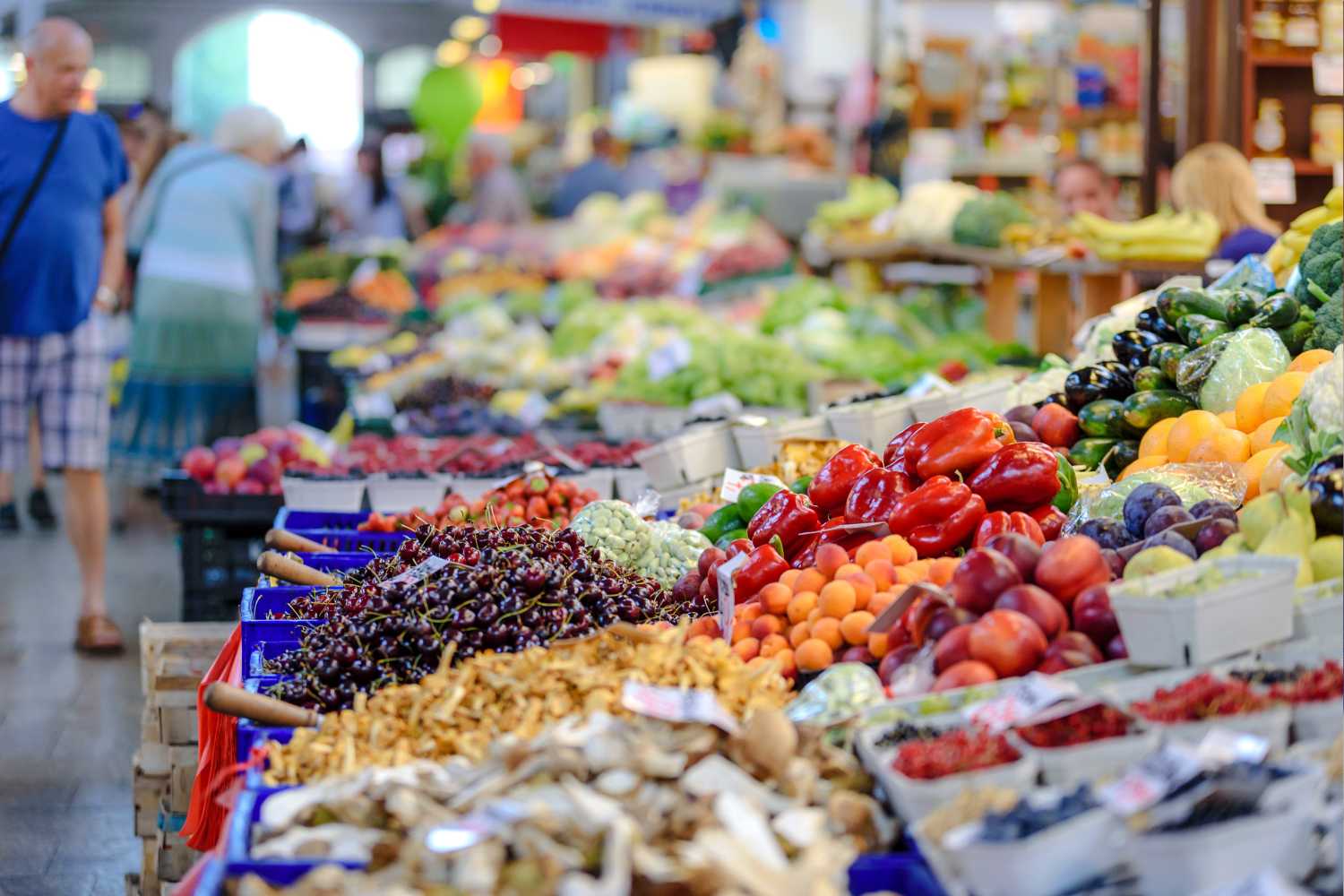
Those who are lucky enough to live near farmers, markets and purchasing groups, do not let them escape. Often, prices are lower than supermarkets and the quality is decidedly higher. A basket of fresh vegetables, without packaging and intermediaries, is a gift for the palate and an investment for health.
Reduce meat and fish, increase legumes and cereals
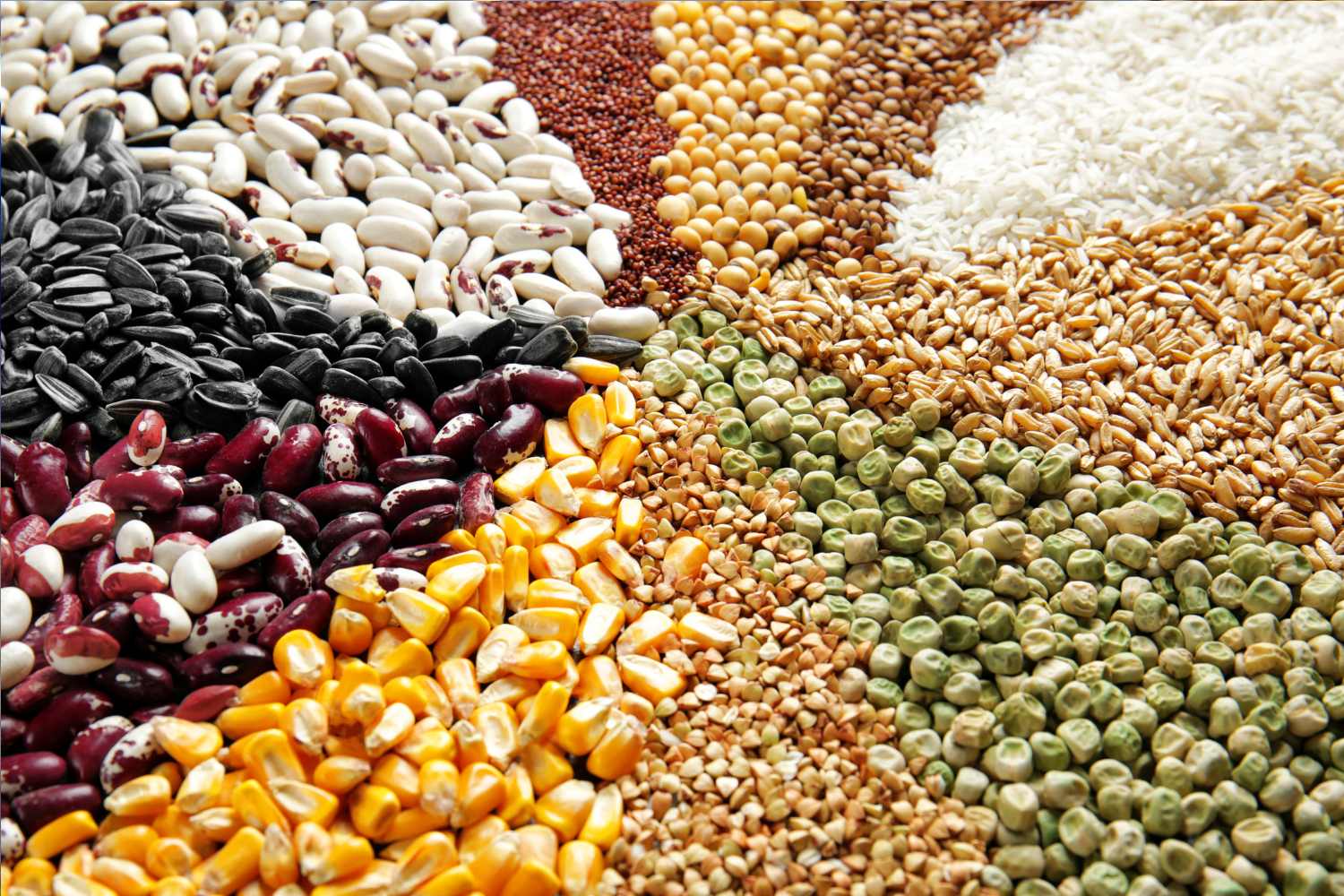
Eating well does not necessarily mean eating meat every day, on the contrary. Legumes – lentils, beans, chickpeas – are very rich in vegetable proteins, they cost little and satiate for a long time. If combined, for example, with whole grains, become a complete meal. And no hours are needed to cook them: with the pressure cooker, or with those already boiled (without preservatives) you will solve the practice in a few minutes.
Eye to the offers, but with criterion

Promotions can be great allies … or infernal traps. If you see the 3 × 2 on the pass that you use regularly, take advantage of it, if instead we are talking about packaged snacks that you would never buy, forget it. Offers only work when they concern useful and durable products. Otherwise, you risk accumulating uselessness.
Avoid ultra-reprocessive products

They cost dear, they are full of unnecessary ingredients and often hurt. Ready foods seem comfortable, but they empty your wallet. A homemade velvety – with the vegetables that perhaps were about to dry – is cheaper and infinitely healthier than an industrial soup. And cooking can become a gesture of love for themselves.
Learn the art of “creative recovery”
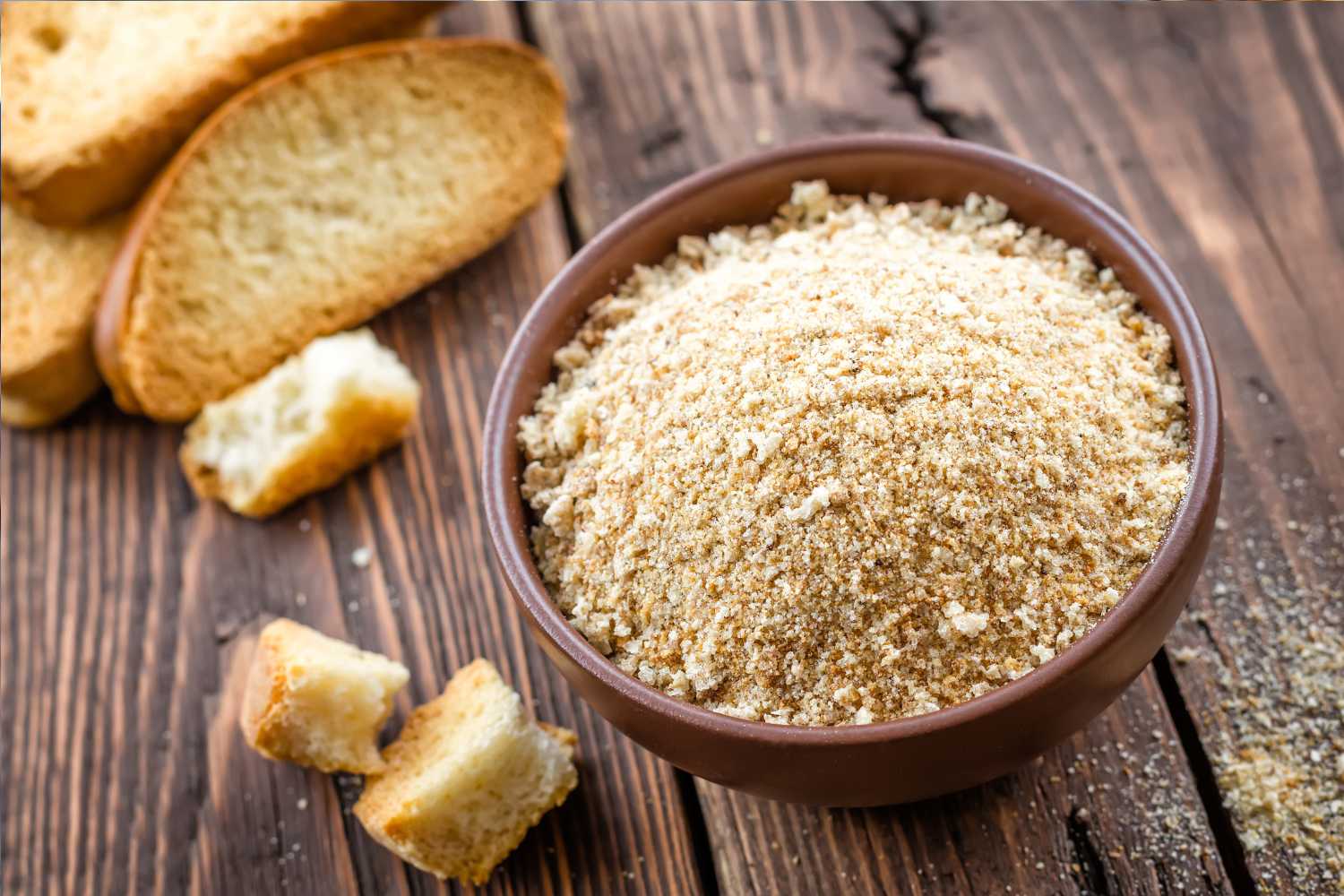
Nothing is thrown away, everything is transformed. Half advanced courgette? Perfect for an omelette. The stale bread? We can make the croutons for the soup, or the breadcrumbs. With a little imagination, the waste become resources. The domestic economy is also this: ingenuity, love for food and zero waste.
Some extra advice
Eating healthy and saving are not two opposite paths, on the contrary, they often coincide. Just a little organization is needed, some good habit and the desire to take care of yourself starting from the dish. There are no star chefs, nor dizzying budget, just a pinch of attention and the desire to change perspective. Because eating well is a right, and doing it by spending the right, a possible conquest.
