
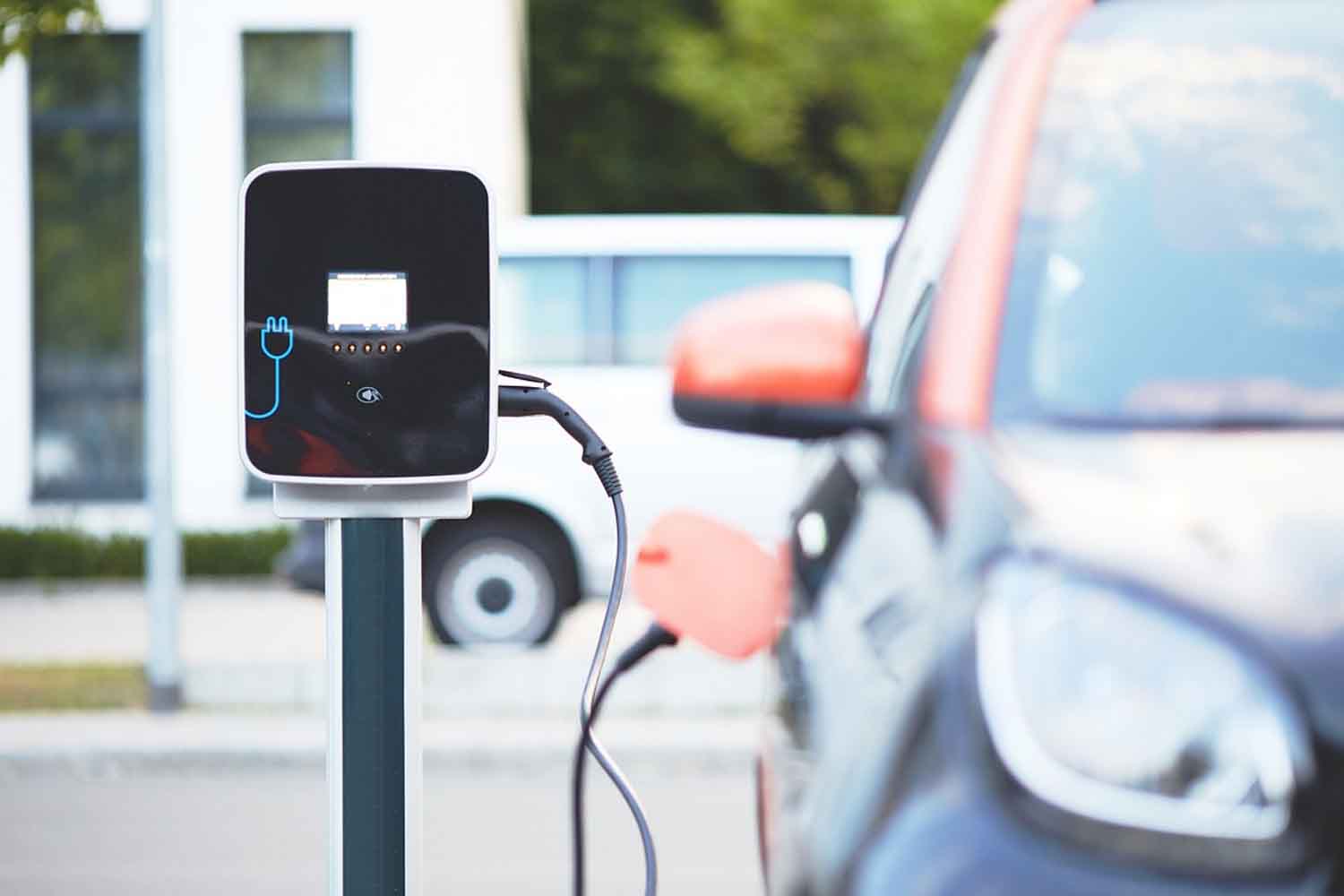
In 2025, Europe will be able to Avoid the emission of 20 million tons of CO2 Thanks to the growing diffusion of electric cars. An important milestone, equivalent to the annual pollution produced by Eight electric coal power plants. To say it is the new relationship of Transport & Environment (T&E)which photographs the changes in progress in the transport sector.
Yet, next to the climatic benefits, they emerge relevant critical issues: the high cost of electric vehicles, emissions generated during production, dependence on materials extracted in critical conditions and a uneven distribution of infrastructure. In other words: the electric revolution has a price, which is not always visible.
Dropped emissions thanks to the beings, but transport remain the worst EU pollutors
The transport sector continues to be The major responsible for emissions in Europeproducing about a third of the total pollution And still exceeding the levels of 1990. However, according to T&I, something is changing: the emissions in 2024 dropped to 1.05 billion tons of CO2, compared to 1.1 billion in 2019. A 5% drop attributed almost entirely to the exponential growth of electric cars.
This year, a new out of five car sold in the European Union will be zero unloading emissions. In total, about the European roads will circulate about 8.8 million battery -powered electric vehicles (ber). According to William Todts, executive director of T&E:
Green EU policies are starting to give tangible results. Now you need to accelerate, do not slow down.
Much of this progress is due to European standards on CO₂ emissions for carswho gave certainties to producers and pushed investments in electrical production lines. In addition, the cost of the batteries collapsed, opening the road to more accessible models by 2025.
But how much does the electric car really cost?
Despite the environmental benefits, the electric cars remain more expensive compared to internal combustion vehicles. According to Acea (European car manufacturers’ association), in 2024:
For many European families, Buying an electric car is still prohibitiveespecially in countries with a lower capita GDP. In addition, the electric second -hand market It is still not very developed, further slowing down the democratization of green mobility.
Batteries, rare earth and dirty chain: the hidden face of the electricity
The electric car it is not zero impactespecially if you consider the entire life cycle. There battery production It is one of the most polluting and socially controversial processes. According to theInternational Energy Agency (IEA) and t & e:
T & e proposes to face these problems by aiming on Green steel, recycled materials and ethical traceability of the supply chain.
Infrastructure under pressure: the race to the columns is unequal
Another obstacle to the diffusion of the beings is the charging networkstill inadequate in many areas. According to the European Regulation AFIR (Alternative Fuels Infrastructure Regulation)each country must guarantee a number of columns in proportion to the number of electric vehicles.
To date:
In the South and Eastern Europe, the situation is still critical, and the lack of fast columns Limit long -distance mobility. Also, the national electric networks they may not hold the future demand without important investments.
Work and industry: the electrical transition creates and destroys jobs
The transition to electricity involves A revolution in automotive production. Electric cars require less mechanical componentsreducing traditional labor needs.
According to the European Climate Foundation (ECF):
But not all territories will be able to benefit from it. Regions related to the production of combustion engines risk an industrial desertificationif they are not accompanied by just transition policies.
Airplanes and ships nullify progress: the problem of transport not on the road
While road emissions begin to fall, those of the Air and maritime transport continue to rise. In 2024:
Although these sectors are now included in the EU ETS system, they continue to depend heavily on fossil fuels. The revenues generated by the emissions market in 2024 – approximately 5 billion euros – however they could be used for Reduce the cost of alternative fuels Like e-Fuel.
Todts warns:
Europe is reducing dependence on oil, but we continue to spend billions for imports from authoritarian regimes.
In 2023, 96% of oil and 90% of the gas used in European transport came from abroada geopolitical and climatic vulnerability to be addressed urgently.
Electric cars are one fundamental tool for reducing emissions and accelerate the ecological transition in Europe. But they are not the definitive solution. Their environmental, social and economic costs they remain high. We need a strategy that faces these knots without leaving anyone behind.
The goal must not be alone Decarbonurebut do it fairly accessible and sustainable way.
