
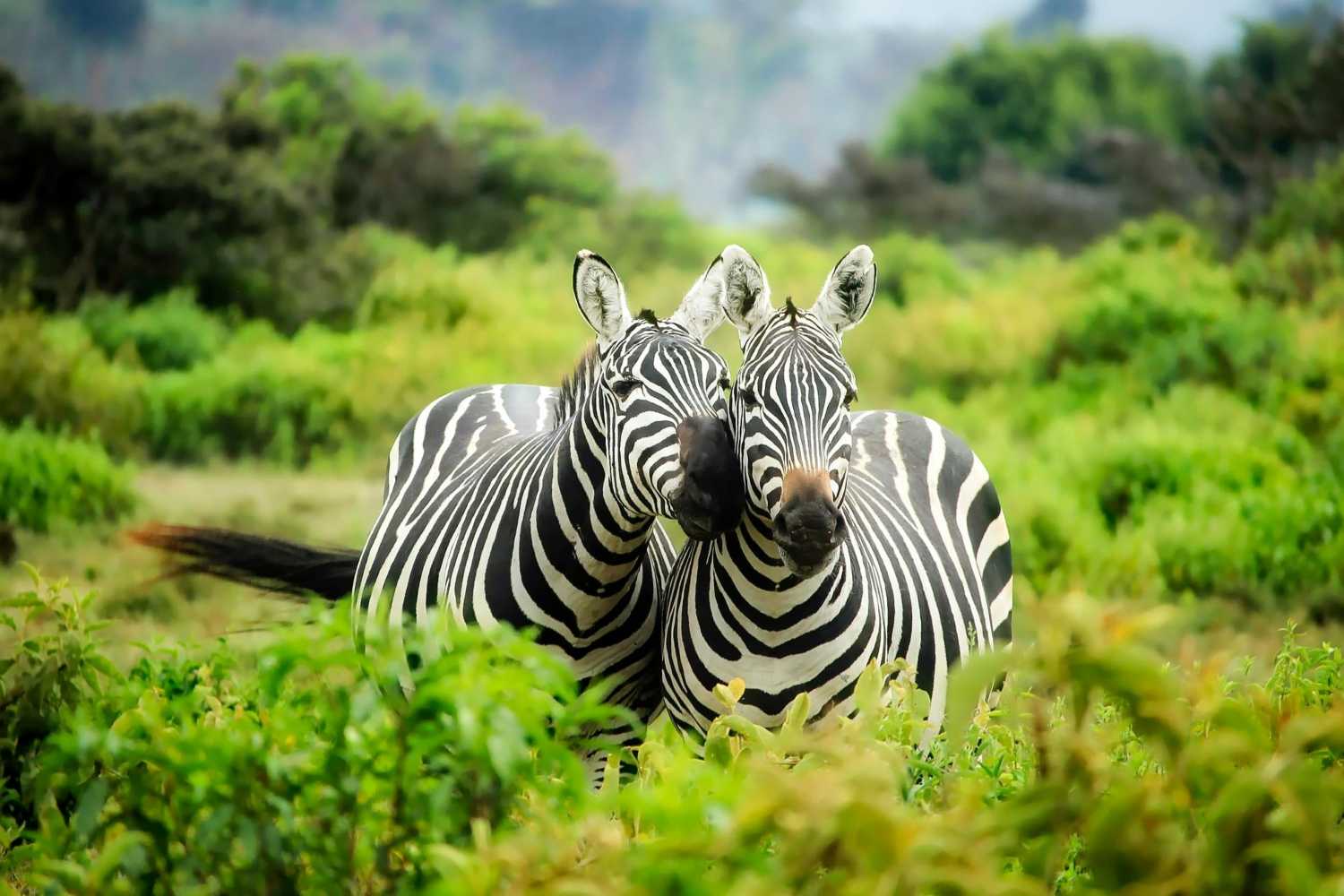
More and more scientific studies confirm that Empathy is not a human prerogativebut a capacity shared by many species of mammals. From the parental care Between dolphins and primates, up to surprising gestures between predators and prey, the animal world continues to amaze us with behaviors that go beyond the survival instinct.
An emblematic case dates back to 1964, when a group of researchers submitted Macachi Rhesus to an ethically questionable experiment. The primates could get food by operating a lever, but in doing so they caused one Electric shock to a partner. The answer was shocking: some preferred give up food for days in order not to cause pain to the other. A clear example of empathic behavior.
But the ability to prove compassion is not limited to primates. Also in the marine world there are scenes that challenge our understanding. A Megattera whale it was seen save a seal from the attack of the orcas, protecting it with his body as if he were his puppy. An apparently altruistic gesture that has no explanations related to the species or genetics.
There is something that unites us
Similar episodes have been observed between large felines. Someone Leonese and Leopardiafter having hunted a mother babbuine, they are I take care of his puppy, renouncing the meal and even trying to console him. These behaviors, although isolated, suggest a sensitivity that goes beyond the law of the strongest.
There evolutionary science He claims that empathy is an advantage for survival, in particular between social animals. In mammals, which depend on parental care, recognizing and responding to the emotions of others becomes crucial for Cohesion of the group and the protection of the weakest.
Even smaller animals, such as i field miceshow consolation behaviors towards stressed companions. They approach, lick and take care of the partner in difficulty. A clear signal that emotional sensitivity is not linked to apparent size or intelligence.
Accept that Animals can experience empathy It requires us to review our relationship with them. It is not a question of humanizing them, but of recognize what unites us. Perhaps, the first step to building a wider world also passes from here.
