
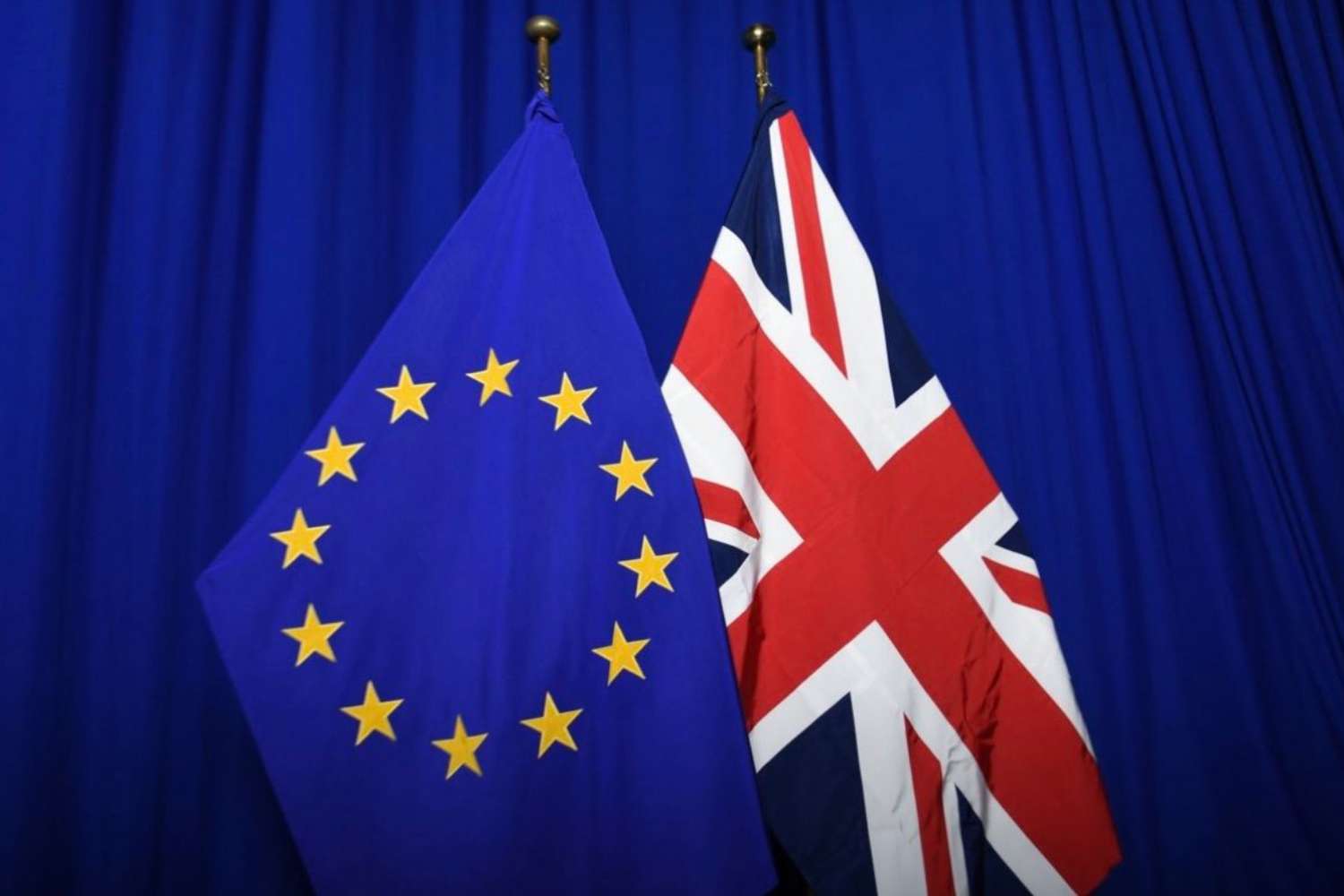
From January 2027, the United Kingdom will return to the Erasmus+ programme, marking one of the most concrete steps in the rapprochement between London and Brussels after Brexit. The agreement, now defined at a political level, will allow British students to participate in European exchanges again without additional costs compared to national university fees. A change of direction that has a symbolic and practical value: getting thousands of young people back on the move and rebuilding academic ties interrupted in recent years.
The return to the program won’t just affect college students. The government’s objective is to extend the Erasmus experience to colleges, professional training, internships and sports exchanges, broadening access to segments of the population that in the past had remained on the margins. An approach also designed to intercept territories and communities that had voted to leave the EU, demonstrating that European cooperation can have concrete and widespread impacts.
University fees and financial support
One of the central issues of the agreement concerns costs. European students who attend British universities through Erasmus will pay fees equivalent to domestic ones, with an annual cap set at 9,535 pounds. Likewise, UK students will continue to pay their taxes in the UK while studying in Europe and will be able to rely on support grants to cover some of the costs of living abroad. Outside the program, however, the much higher international rates remain in force.
From the breakup to the return
Returning to Erasmus is also a political move. After years of frost, the government led by Keir Starmer is aiming for a gradual reset of relations with the European Union. The Erasmus dossier was one of Brussels’ key demands and now represents a diplomatic victory after months of negotiations led by EU relations minister Nick Thomas-Symonds. The public climate, increasingly less hostile to Europe, favored the operation.
The UK left Erasmus after Brexit, judging it to be too expensive compared to the benefits. In fact, before leaving it was a net contributor, with more European students arriving than British students departing. Today the perspective has changed: Erasmus is seen as a tool of soft power, cultural cooperation and opportunities for young people. A sign that the season of isolation could really be behind us.
Big step forward: negotiations concluded for the UK to rejoin @EUErasmusPlus in 2027, boosting people-to-people ties. Now over to the @EUCouncil.
Confident more progress ahead, incl. on electricity cooperation and beyond.
My statement w/ @NickTorfaen https://t.co/8KLWOa2OzB. pic.twitter.com/NF2Outo2x4
— Maroš Šefčovič
(@MarosSefcovic) December 17, 2025
You might also be interested in:
