
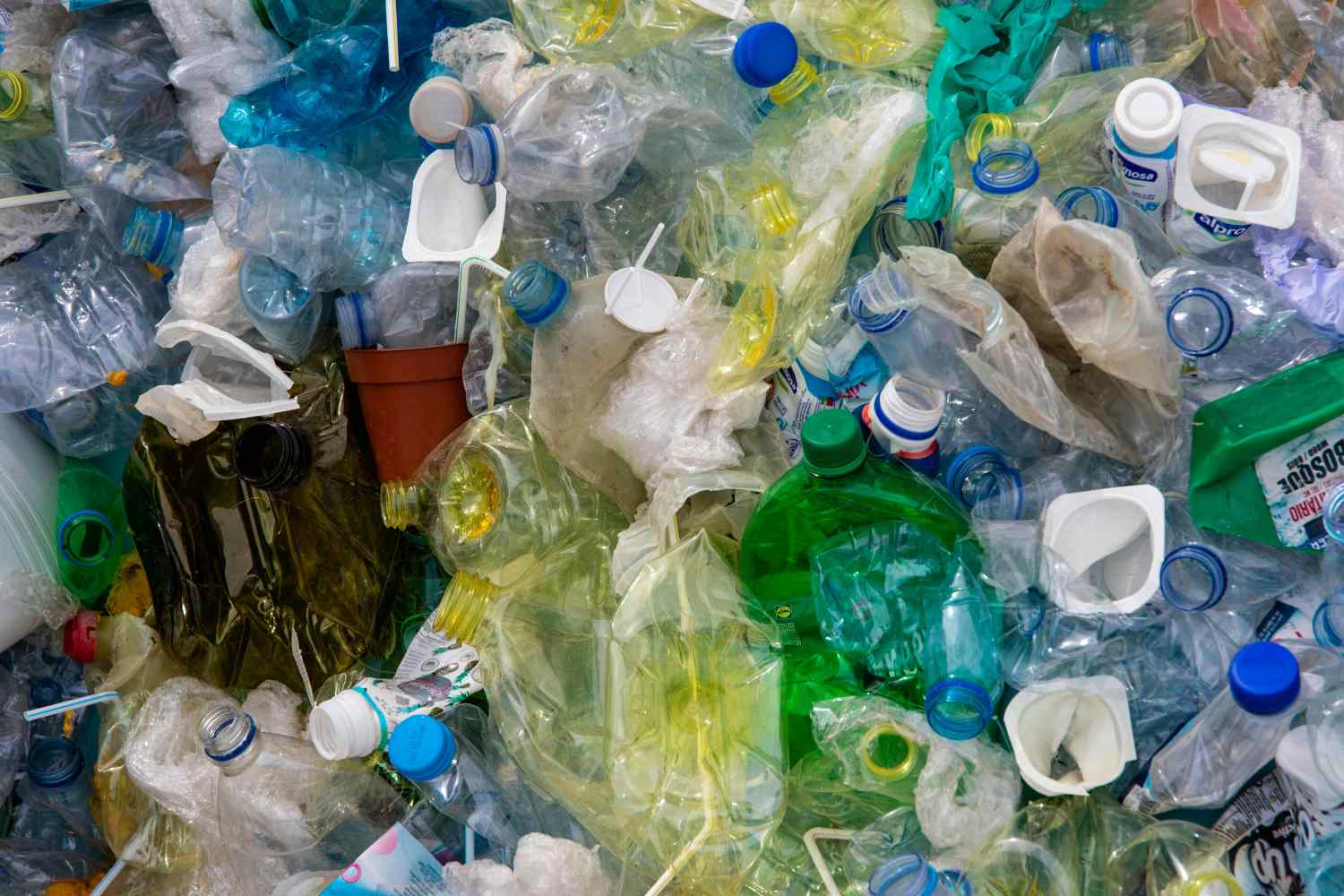
Every year in the world they come Over 400 million tons of plastic produced And about half of this is designed to be used only once. The most alarming data? Less than 10% Of this huge quantity it actually comes recycled. The rest ends up mostly landfillshe comes burnt or, worse still, dispersed in the environmentcontaminating lakes, rivers, seas and even the most remote ecosystems.
It is estimated that every year 11 million tons of plastic They end up directly in the waterways and the oceans, the equivalent by weight of 2,200 Eiffel Tour and equivalent to double the height of the highest building in the world, the Burj Khalifa.
To pay the consequences is not only marine biodiversity, but also the human health: the so -called microplastics – fragments lower than 5 mm – are now present in food, water and air. Each person ingests beyond 50,000 plastic particles per year, a figure that could be much higher if the particles are also considered inhaled.
It is necessary to rethink the entire production system
The problem does not only concern the environment. Disposable plastic, once abandoned or incinerated, has devastating effects also on public health, contributing to air pollution and the spread of toxic substances. It also seriously damages wildlife and contaminates every corner of the planet, from mountain peaks to the ocean seabed.
The future does not promise anything good: according to recent forecasts, by 2060 the production of plastic waste will triple. In particular, half are expected to end up in landfills and less than a fifth will be really recycled. This scenario puts us in front of an urgent reality: it is no longer enough to differentiate, We must radically rethink the entire production system.
The solutions There are: science has already made available tools and technologies capable of effectively contrasting the problem. What is missing is a real concrete commitment by governments, companies and citizens. Only a conscious collective action can reverse the course and build a more future healthy, clean and sustainable for the next generations.
View this post on Instagram
