
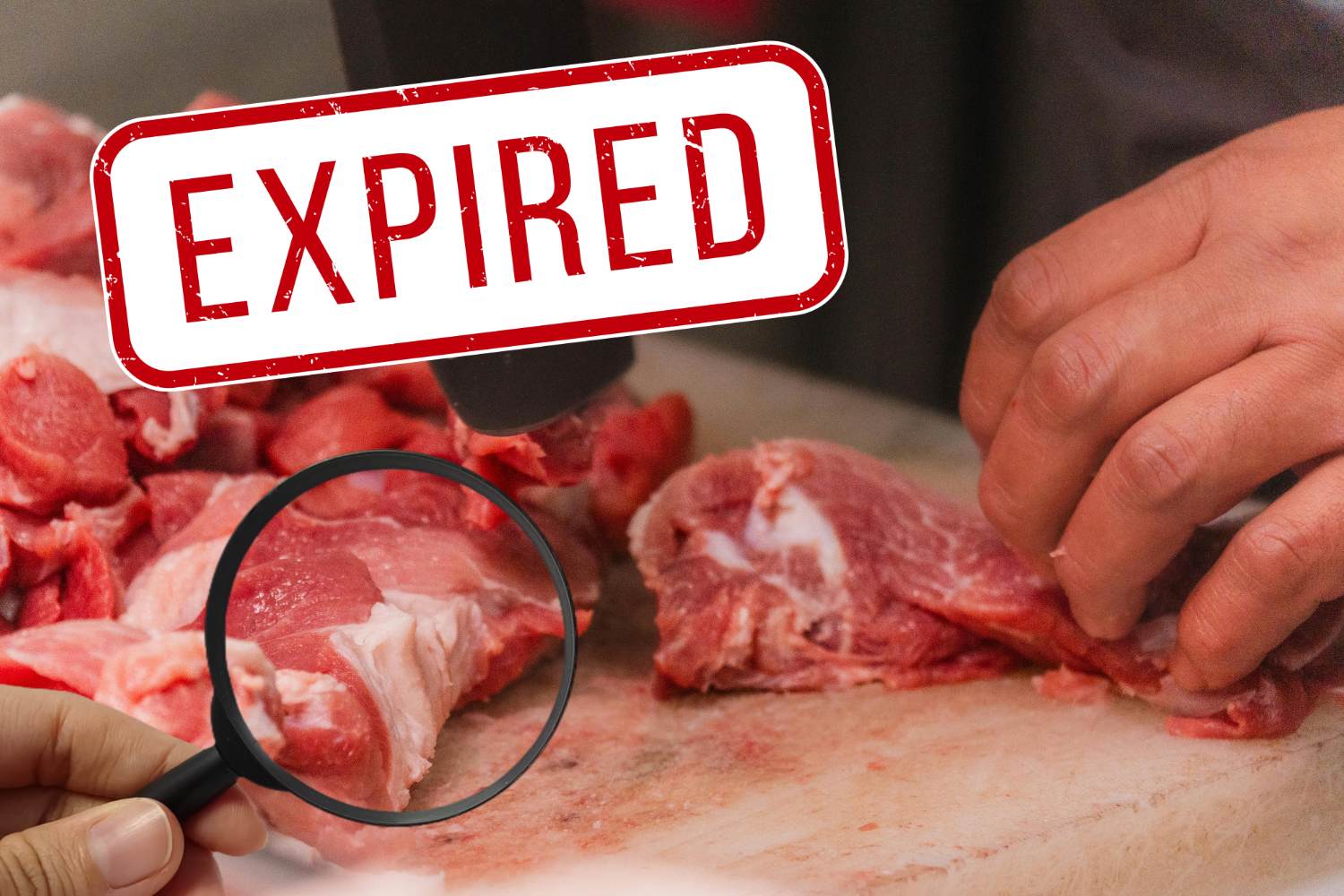
The Carabinieri of the Anti-adulteration and Health Unit of Brescia carried out an inspection in a butcher’s shop in the province which proved disconcerting. What did they find? More than 3 tons of meat kept in refrigerated cells now completely unfit for human consumption. In many cases the deadlines had been exceeded by several months.
But it’s not just a question of dates. The problem also concerns how those products were stored and identified. Some of the meat had incomplete or even contradictory labels, completely incapable of guaranteeing traceability, that fundamental chain of information that allows us to precisely reconstruct when a food was processed, packaged and frozen. Without this data, it’s impossible to know what you’re really eating.
However, an open question remains: had some of that meat already reached consumers before the inspection? What is certain is that the intervention blocked over three tons of unsuitable product, which was immediately seized and sent for correct disposal. Administrative violations were obviously triggered for the owner.
An isolated case?
Unfortunately, the case in Brescia may not be an isolated case. Only a few months ago, in November 2025, the program Report on Rai3 brought to light an even more serious case in a slaughterhouse in the Mantua area where meat imported from all over the world, with cuts that had expired for two, three, up to five years, was thawed, superficially cleaned and repackaged with false labels before returning to the market.
The experts consulted by the program clarified that removing the blackened part on the surface does not eliminate the pathogenic bacteria present in meat, such as salmonella and listeria, which survive freezing and can cause even serious illnesses. An alarm bell that shook the entire control system.
And perhaps it is no coincidence that the NAS discovered expired meat in a butcher’s shop.
But the inspections didn’t stop there. The Brescia health authority has suspended three catering establishments between the capital and the province.
The most serious case concerns a bar in the center of Brescia where, in addition to the absence of the HACCP manual – the mandatory document that every food business must prepare to prevent health and hygiene risks – the cleaning and sanitization conditions were decidedly below the required standards.
Two further suspensions affected an ethnic street food venue that served kebabs and a bar in the province: in both cases the indication of the allergens present in the food was completely missing, an omission which can have very serious consequences for allergy sufferers.
The three businesses will be able to reopen only after having remedied all the irregularities found, and financial penalties are foreseen for all.
